New Guidelines for Epilepsy Drug Development in Europe
Researchers studied the changes in guidelines from the European Medicines Agency (EMA) regarding the development of drugs for epilepsy between 2010 and 2025.

Researchers studied the changes in guidelines from the European Medicines Agency (EMA) regarding the development of drugs for epilepsy between 2010 and 2025.

Researchers studied different ways to detect and predict generalized tonic-clonic seizures (GTCS), which are severe types of seizures that can lead to serious health risks.

Researchers looked at how the structure of white matter in the brain relates to language abilities in different groups of people, including adults with epilepsy, tumors, and healthy individuals.
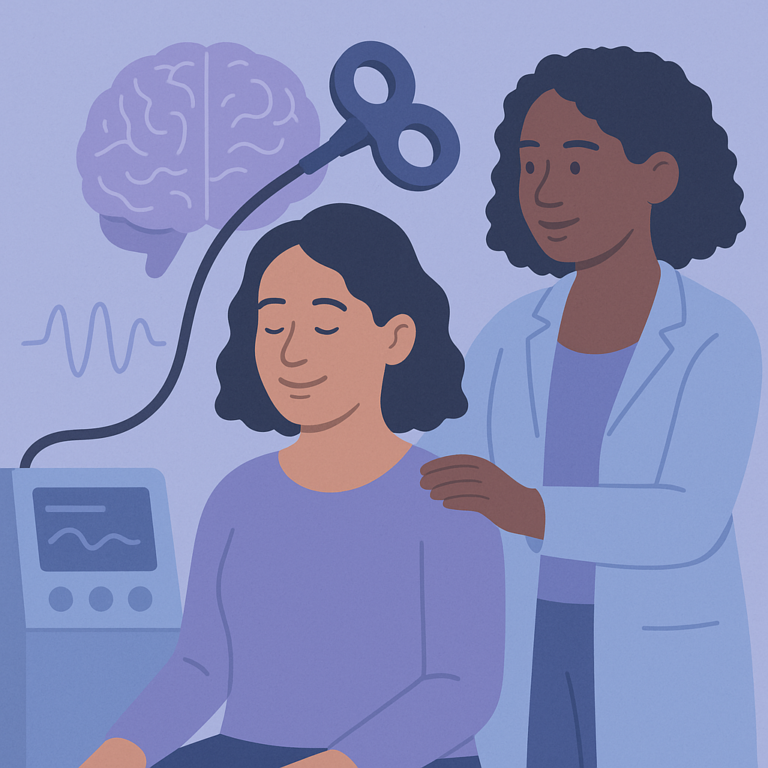
This study looked at how low-frequency repetitive transcranial magnetic stimulation (LF-rTMS) affects cognitive function and epileptiform discharges in people with epilepsy.

Researchers studied the changes in clinical guidelines for developing epilepsy medications set by the European Medicines Agency (EMA) between 2010 and 2025.
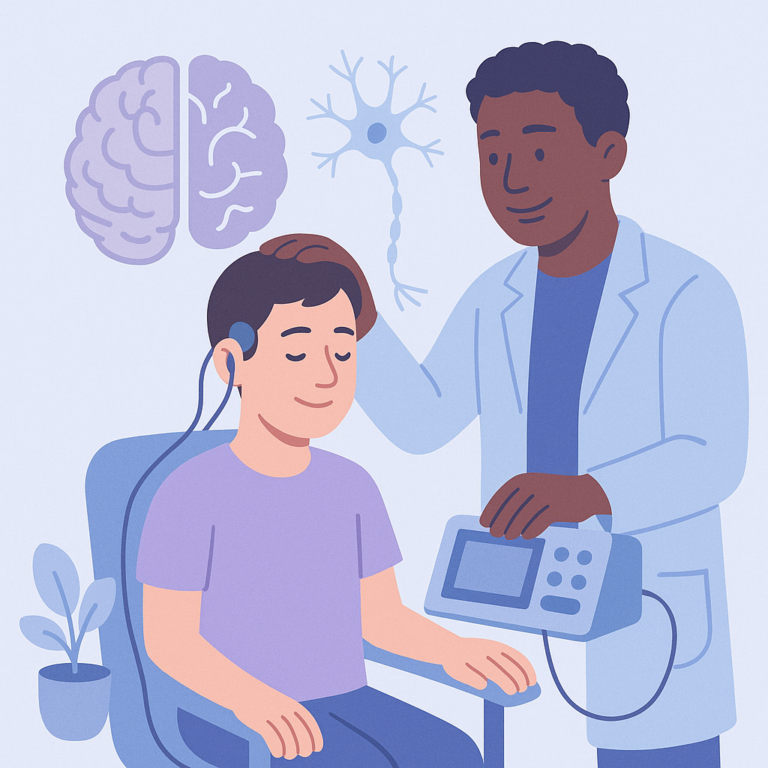
Researchers studied children with severe epilepsy who underwent a procedure called hemispherectomy, where one side of the brain is removed or disconnected to control seizures.

Researchers studied the use of right vagal nerve stimulation (R-VNS) as a treatment for epilepsy, focusing on patients who had not responded well to other therapies.
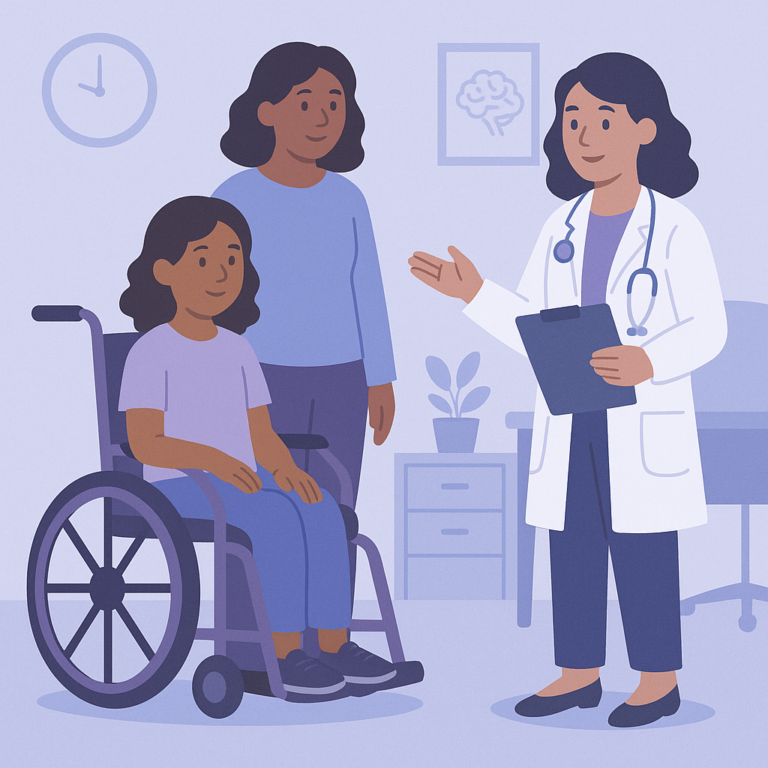
This study looked at pediatric movement disorders (MDs) in children and teenagers aged 0-18 years at a specialized clinic in Bogotá, Colombia.

Researchers studied the challenges that children with epilepsy face when taking their medications.