MEG Improves Epilepsy Diagnosis and Surgical Planning
Researchers studied the use of magnetoencephalography (MEG) in evaluating epilepsy, focusing on its effectiveness in helping doctors locate the areas of the brain causing seizures.
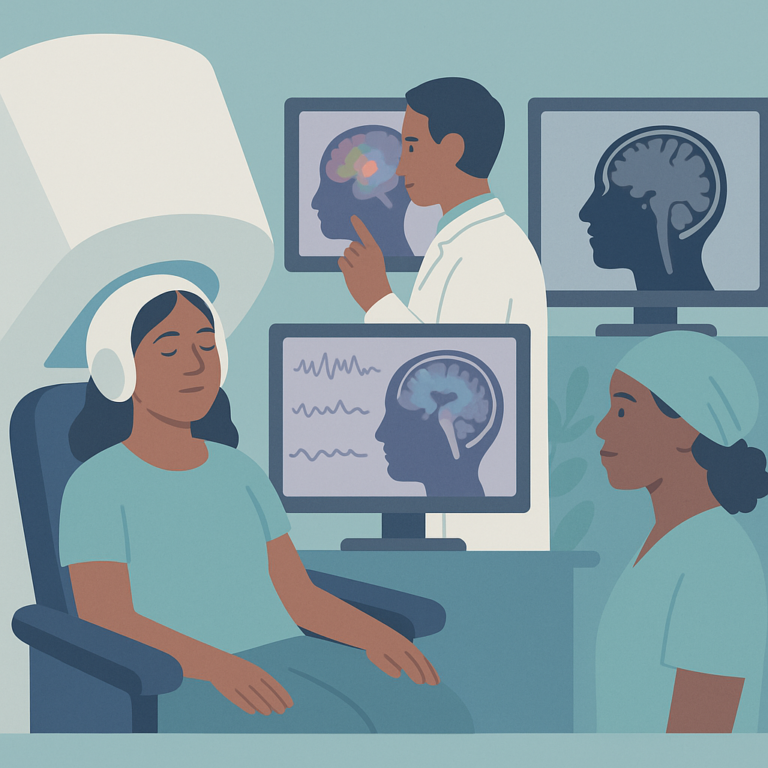
Researchers studied the use of magnetoencephalography (MEG) in evaluating epilepsy, focusing on its effectiveness in helping doctors locate the areas of the brain causing seizures.
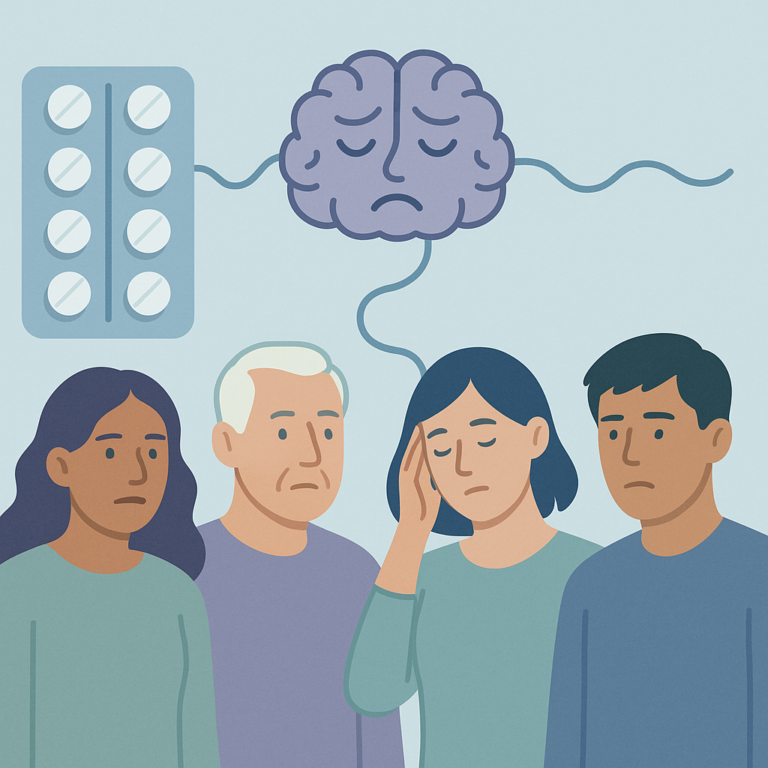
Researchers studied the psychiatric and behavioral side effects of antiseizure medications (ASMs) in adults with epilepsy.

This study looked at a specific brain imaging sign called the symmetrical claustrum sign (SCS) in children diagnosed with febrile infection-related epilepsy syndrome (FIRES).

In a study involving 249 children who experienced new-onset bilateral tonic-clonic seizures, researchers aimed to understand how different diagnostic methods could help classify the type of seizures.

Researchers studied how remote follow-up care, like video or phone visits, can help manage pediatric epilepsy.

This study looked at the safety and effectiveness of a medication called cenobamate in children and teenagers under 18 years old who have epilepsy that does not respond well to other treatments.

Researchers studied how to reduce bias in large language models (LLMs) used for clinical decision-making in epilepsy.

This study looked at the types and causes of seizures in cats and dogs.

This study looked at two types of epilepsy that can occur in infants: infantile epileptic spasms syndrome (IESS) and self-limited infantile epilepsy (SeLIE).