Understanding Epilepsy Burdens in Young People Since 1990
Researchers studied the impact of epilepsy on adolescents and young adults from 1990 to 2021 across different countries and regions.
Researchers studied the impact of epilepsy on adolescents and young adults from 1990 to 2021 across different countries and regions.
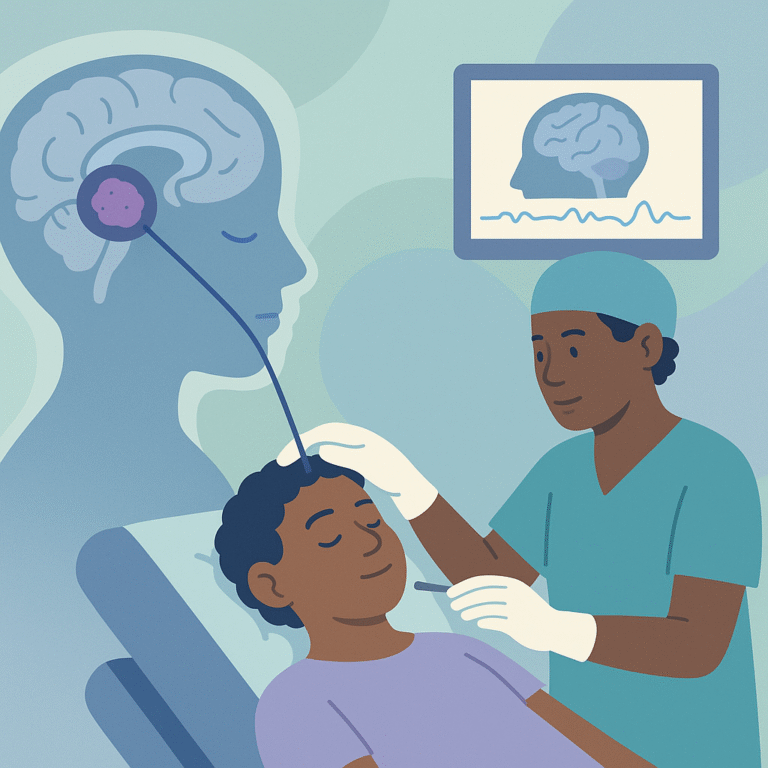
This study looked at the long-term results of a treatment called stereotactic radiofrequency thermocoagulation (SRT) for patients with hypothalamic hamartomas (HHs), which are brain growths that can cause difficult-to-control seizures.
Researchers studied a type of beneficial bacteria called Akkermansia muciniphila (A.
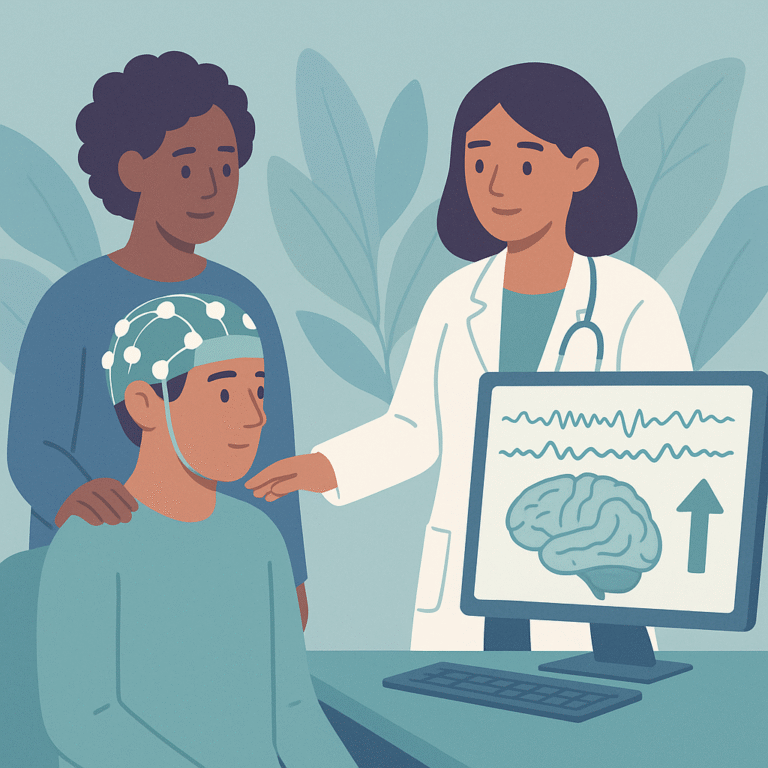
A recent study looked at the role of EEG (electroencephalogram) tests in patients who had their first unprovoked seizure.
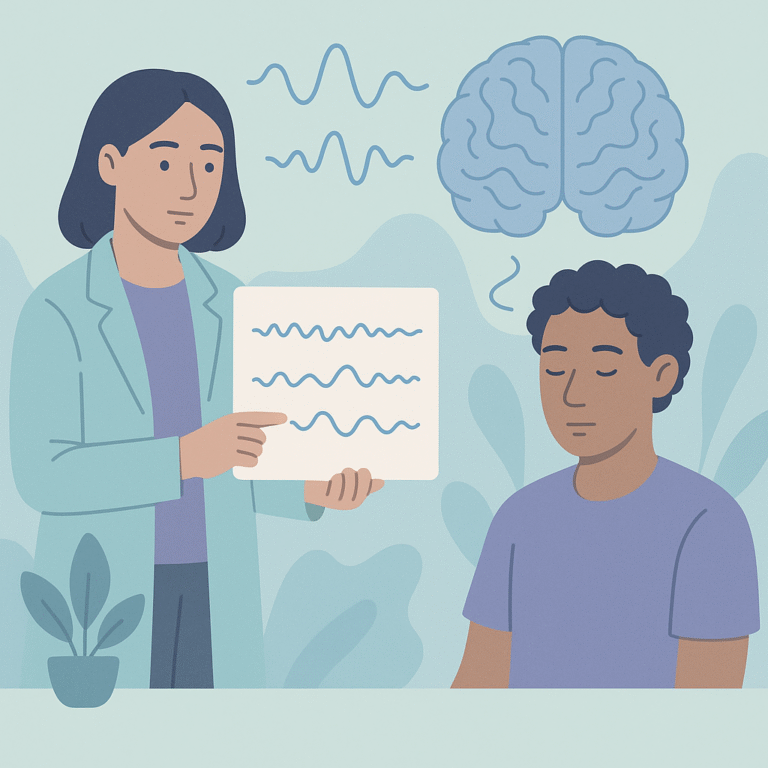
Researchers studied the patterns of brain activity in people with focal epilepsy, focusing on a specific type of brain wave called “focal delta slowing.” This type of slowing appears on electroencephalograms (EEGs), which are tests that measure electrical activity in…
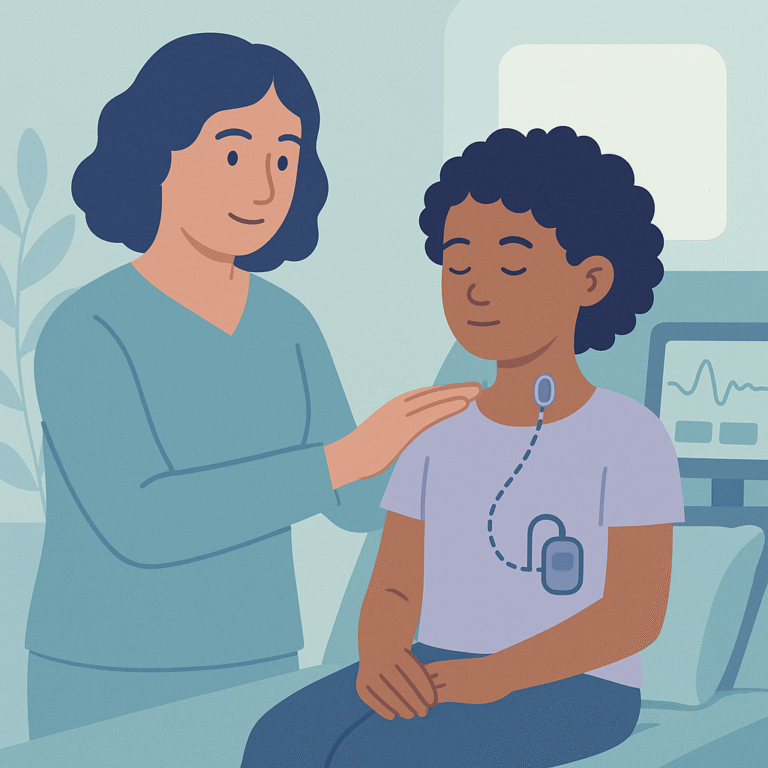
This study looked at how effective vagus nerve stimulation (VNS) is for children with drug-resistant epilepsy (DRE), which means their seizures do not respond well to medications.
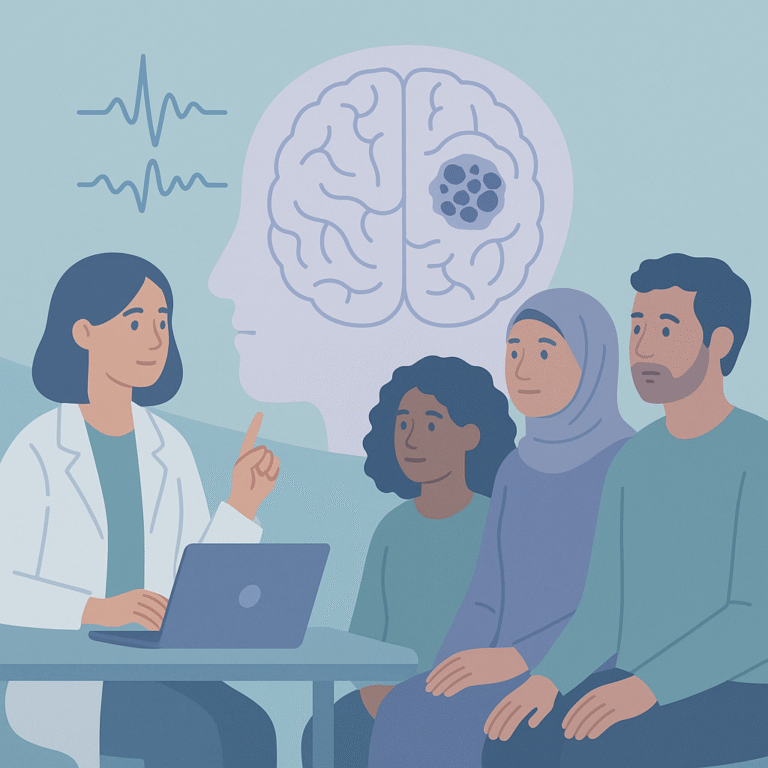
This study looked at how epilepsy caused by cavernous malformations in the brain is diagnosed and treated in Kazakhstan.
A recent study looked at how social support and resilience affect the mental health and stigmatization of adolescents with epilepsy.
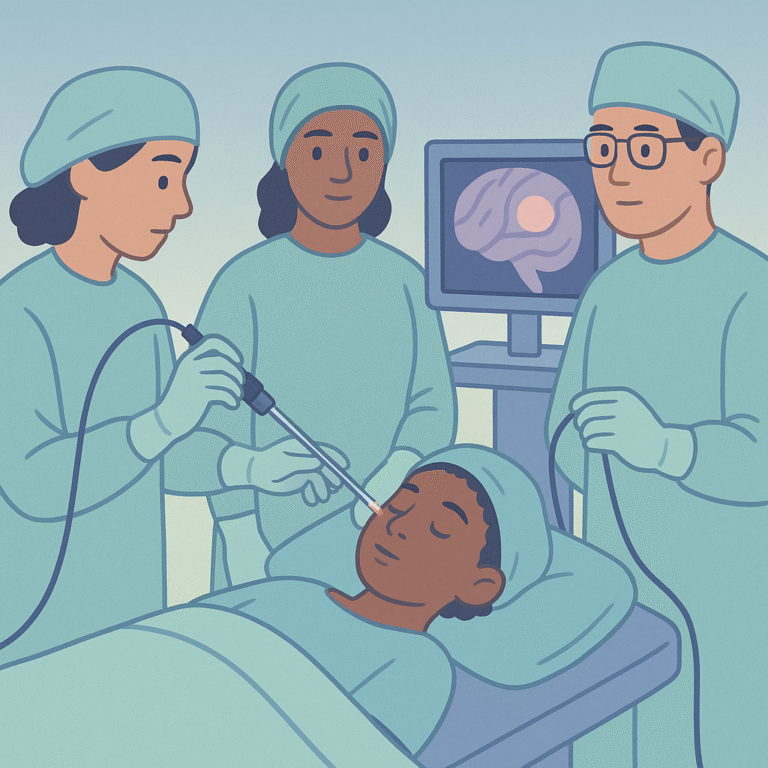
Researchers studied the effectiveness of a specific type of surgery called intraventricular endoscopic surgery for children with hypothalamic hamartomas (HH), which are brain growths that can cause epilepsy.