Higher Epilepsy Risk in Children With Congenital Anomalies
This study looked at the risk of epilepsy in children with congenital anomalies (CAs), which are birth defects that affect how the body develops.
This study looked at the risk of epilepsy in children with congenital anomalies (CAs), which are birth defects that affect how the body develops.
Researchers studied early infantile epileptic encephalopathy (EIEE), a severe type of epilepsy that starts in infants and can lead to serious developmental issues.
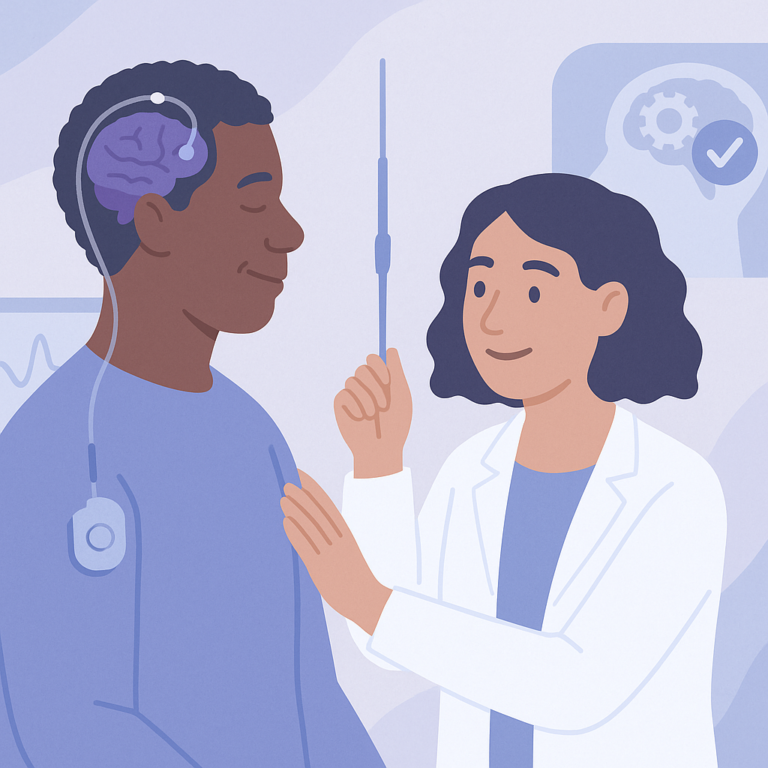
Researchers studied the effects of a treatment called continuous hippocampal deep brain stimulation (Hip-DBS) on memory and cognitive function in patients with drug-resistant temporal lobe epilepsy (TLE).

Researchers studied a program called Epilepsy Journey (EJ) to help teenagers with epilepsy improve their executive functioning skills, which are important for tasks like planning, organizing, and managing emotions.

Researchers studied new treatments for epilepsy, focusing on those currently being tested in clinical trials.
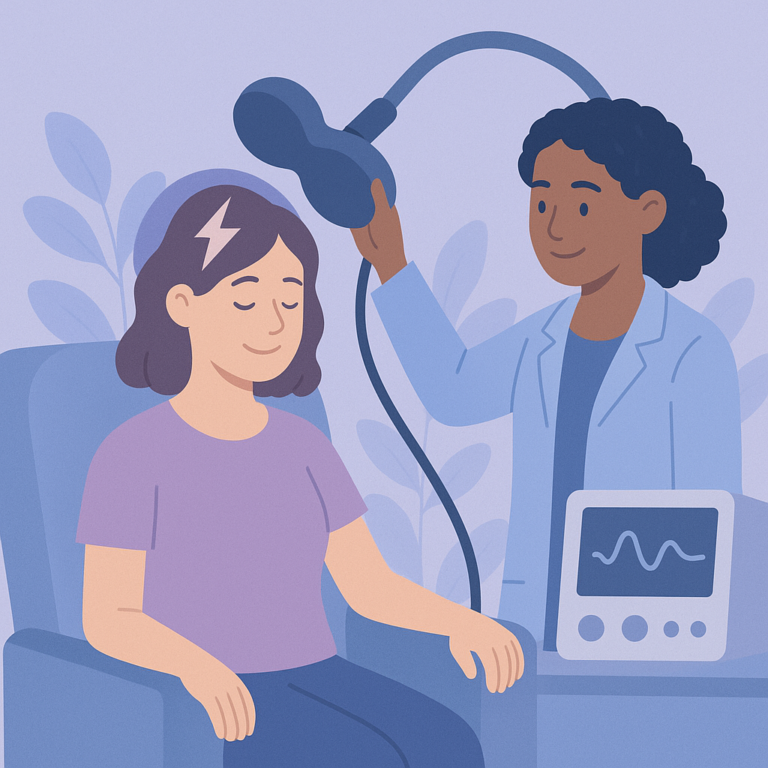
A recent study looked at the use of repetitive transcranial magnetic stimulation (rTMS) as an additional treatment for adults with drug-resistant epilepsy (DRE), which means their seizures do not respond well to standard medications.
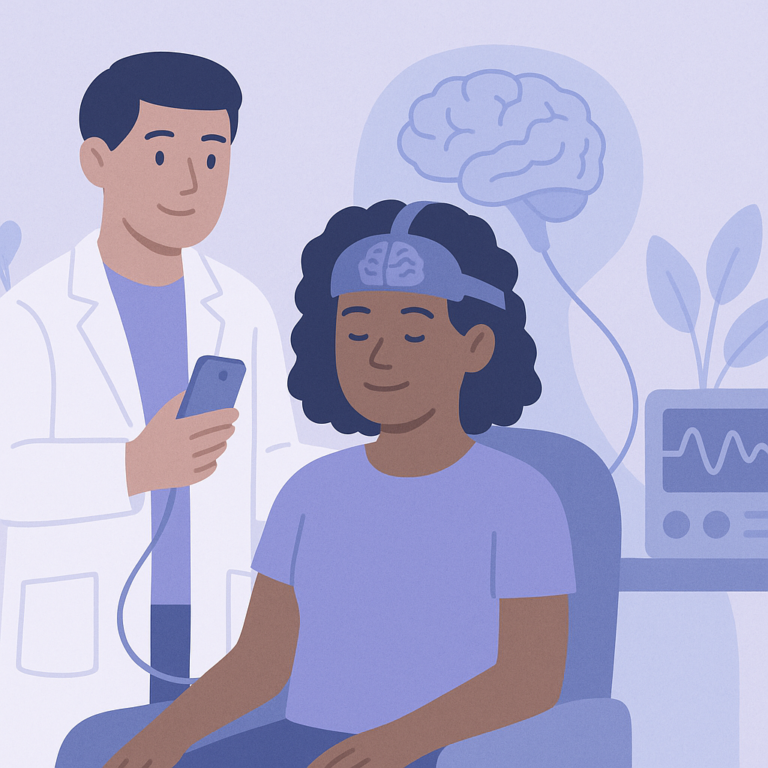
Researchers studied a new treatment called epicranial focal cortex stimulation (eFCS) for people with epilepsy that does not respond to medication.
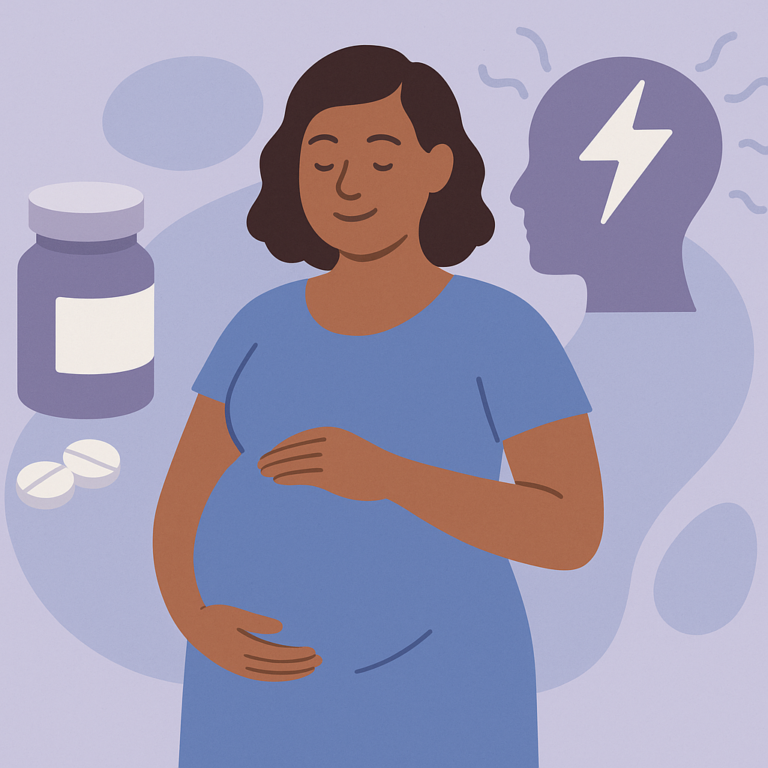
Researchers studied the effects of stopping or switching valproic acid (VPA) in women with epilepsy who were planning to become pregnant or were already pregnant.
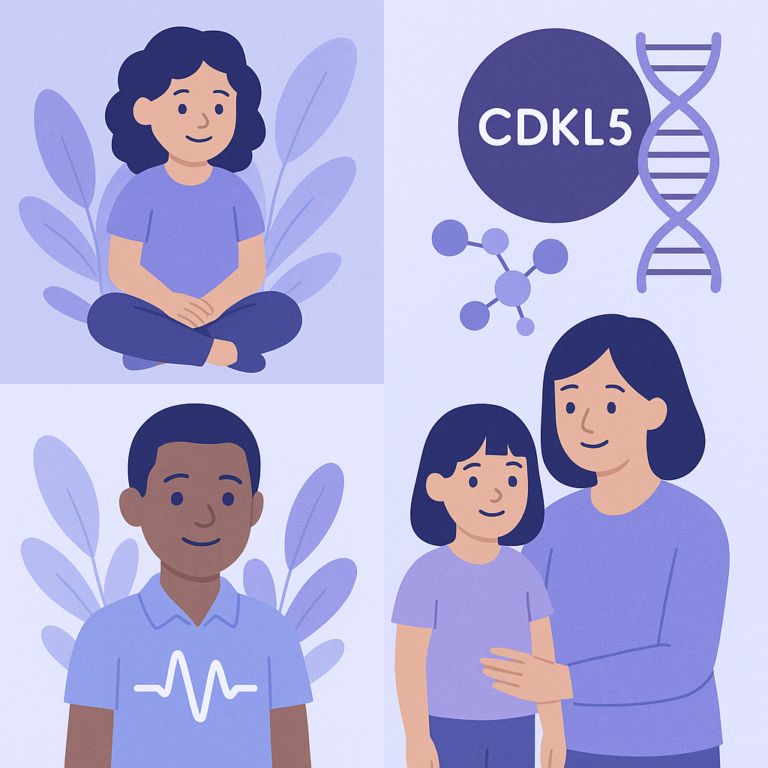
This study focused on a rare genetic disorder called cyclin-dependent kinase-like 5 deficiency (CDD), which leads to severe epilepsy and developmental challenges.