New Tool May Help Predict Valproate Success In Epilepsy
Researchers developed and independently validated a computer model to estimate whether a person with epilepsy would respond to valproic acid (VPA), a common first-line antiseizure medicine.
This hub covers epilepsy genetics: how gene changes can contribute to seizures (often in children). We translate studies on testing, results like VUS, and what findings may change for care.
No. It’s common in pediatrics, but adults can benefit from genetic testing, too, especially with unclear diagnosis or family history.
Sometimes. For certain conditions, results can guide medication choice, diet therapies, or referral decisions.
It usually means “not enough evidence yet.” It shouldn’t be treated as a definite cause, but it can be reclassified over time.
Not necessarily. Testing can miss some variants, and new gene links are still being discovered.

Researchers developed and independently validated a computer model to estimate whether a person with epilepsy would respond to valproic acid (VPA), a common first-line antiseizure medicine.
Researchers followed 12 adults with Down syndrome who had progressive myoclonus epilepsy in the setting of Alzheimer’s disease.

This study looked at sleep problems in people with KCNB1-related disorders, a genetic condition that can involve epilepsy, developmental difficulties, or both.

This study looked at whole-exome sequencing in 1,109 children with epilepsy at a single medical center.
This study looked at whether people with active epilepsy or inactive epilepsy were meeting aerobic exercise guidelines, and whether neighborhood social cohesion was related to this association.
This study looked at how adults with non-convulsive status epilepticus (NCSE) were treated in a 6-year ambispective registry, and whether treatment patterns were associated with seizure control, death in the hospital, or worse function at discharge.
This study looked at how often genetic testing finds a clear epilepsy-related cause in adults being evaluated for epilepsy surgery.
This report describes one infant girl with very severe epilepsy and developmental problems.
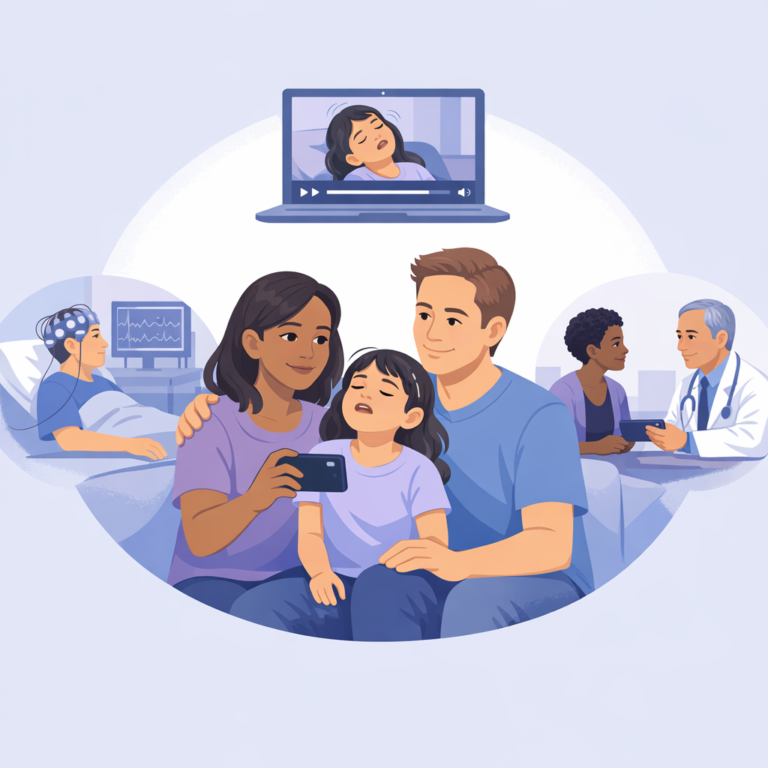
This study looked at whether home or “stand-alone” videos could help after an inpatient EEG-video monitoring stay did not capture the event doctors were trying to diagnose.