Improving MRI Techniques for Detecting Focal Cortical Dysplasia
Researchers studied different MRI techniques to find focal cortical dysplasia (FCD), a condition that can cause severe epilepsy that doesn’t respond to medication.
This hub covers epilepsy genetics: how gene changes can contribute to seizures (often in children). We translate studies on testing, results like VUS, and what findings may change for care.
No. It’s common in pediatrics, but adults can benefit from genetic testing, too, especially with unclear diagnosis or family history.
Sometimes. For certain conditions, results can guide medication choice, diet therapies, or referral decisions.
It usually means “not enough evidence yet.” It shouldn’t be treated as a definite cause, but it can be reclassified over time.
Not necessarily. Testing can miss some variants, and new gene links are still being discovered.
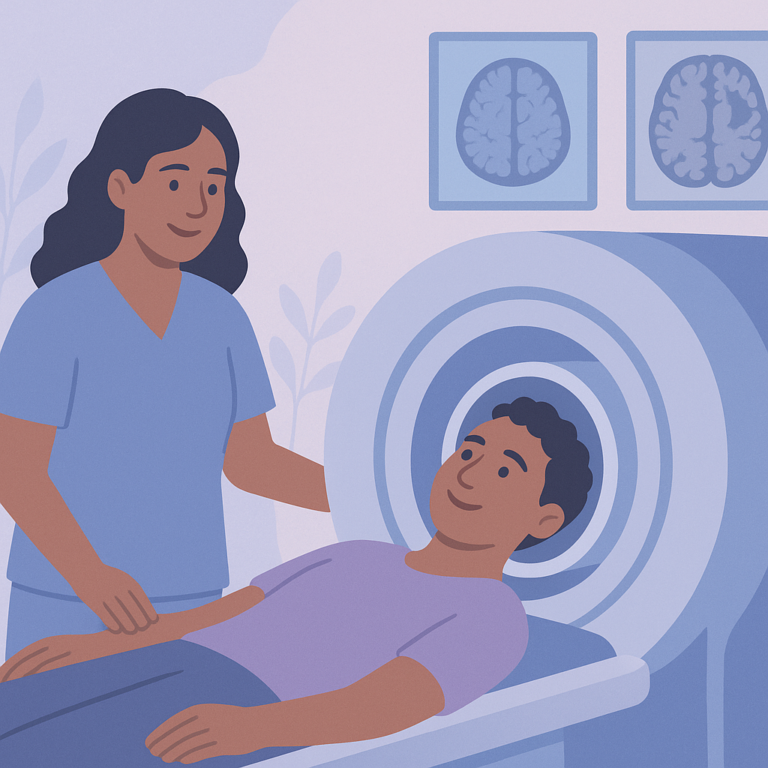
Researchers studied different MRI techniques to find focal cortical dysplasia (FCD), a condition that can cause severe epilepsy that doesn’t respond to medication.
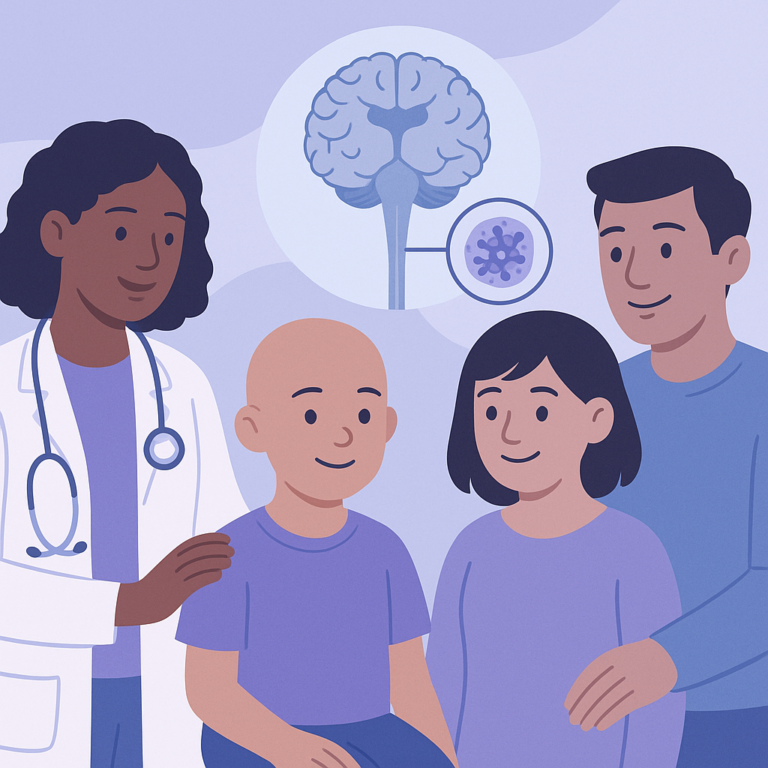
This study looked at Alexander disease, a rare genetic condition that affects children, to understand how it progresses and what factors might influence outcomes.
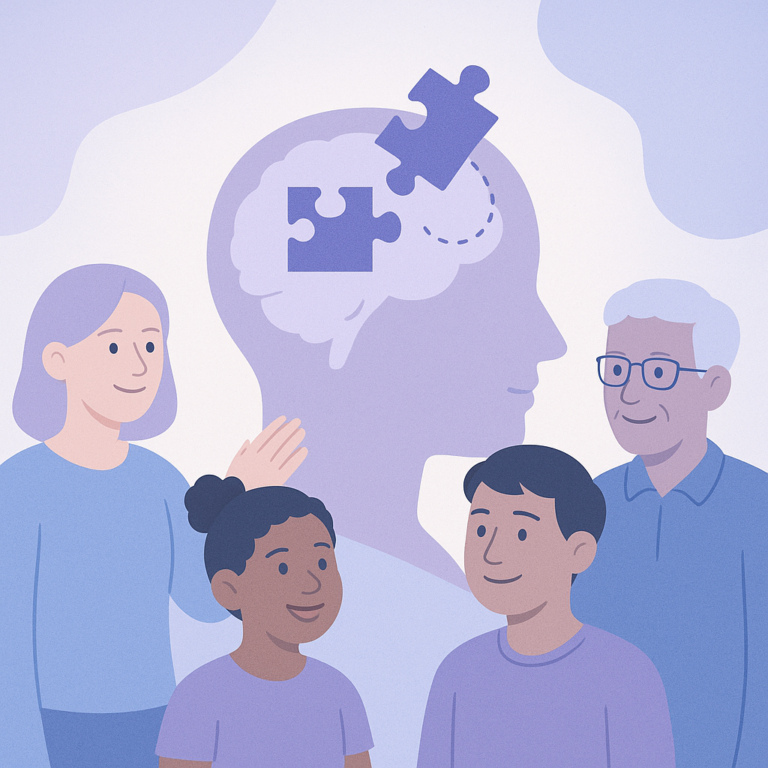
This study focused on understanding how different genetic changes in the KCNQ2 gene affect cognitive abilities and epilepsy in a group of 90 patients from China.
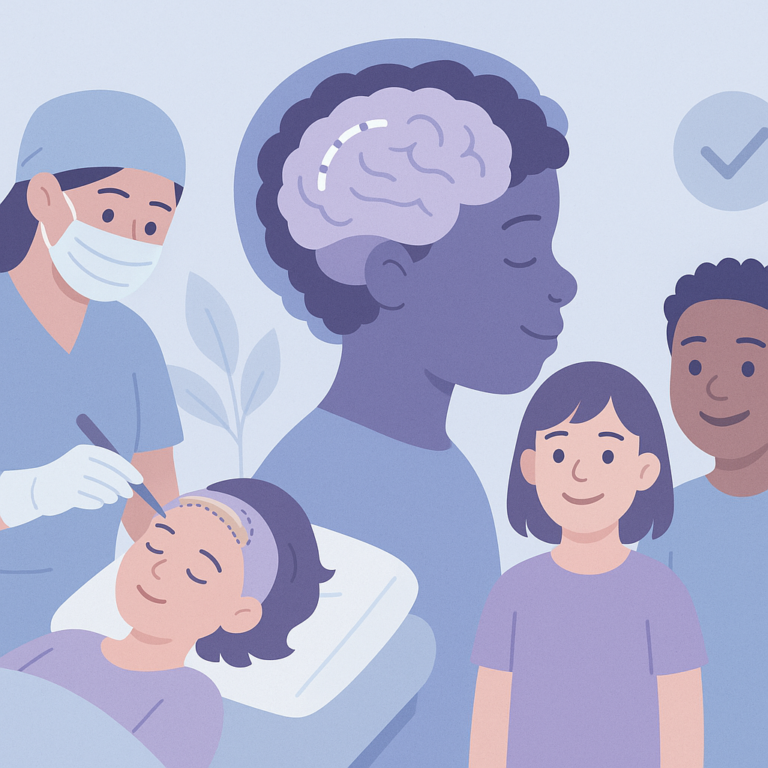
This study looked at the effects of epilepsy surgery on children and teenagers who have epilepsy that does not respond to medication.
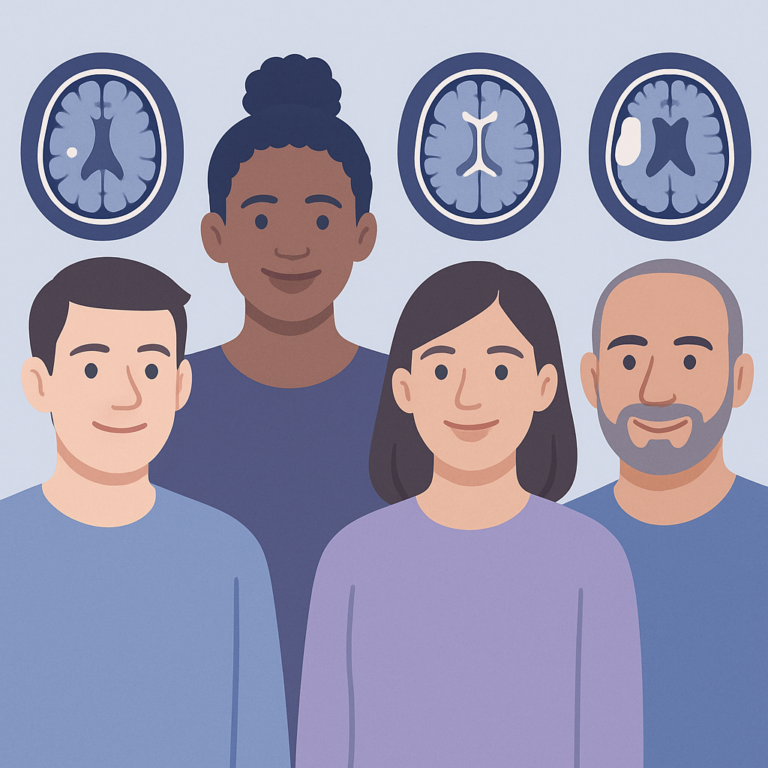
Researchers studied brain MRI scans of 139 children with specific genetic types of epilepsy linked to four genes: SCN1A, SCN2A, SCN3A, and SCN8A.

Researchers studied the effects of cannabidiol (CBD) on epilepsy, particularly focusing on its role in reducing seizures and its impact on neuroinflammation.
Researchers studied six children from South India who have a rare type of epilepsy called KCTD7-related progressive myoclonic epilepsy (PME).
Researchers studied children aged 9 to 14 years who have mild autism spectrum disorder (ASD), some of whom also have epilepsy (EP).
Researchers studied 19 children with STXBP1-encephalopathy, a rare genetic condition that causes severe epilepsy and developmental issues.