Midazolam Use for Epilepsy: UK vs Norway Insights
This study looked at how epilepsy professionals in the UK and Norway use a rescue medication called midazolam to treat prolonged seizures, known as status epilepticus.
This hub covers epilepsy genetics: how gene changes can contribute to seizures (often in children). We translate studies on testing, results like VUS, and what findings may change for care.
No. It’s common in pediatrics, but adults can benefit from genetic testing, too, especially with unclear diagnosis or family history.
Sometimes. For certain conditions, results can guide medication choice, diet therapies, or referral decisions.
It usually means “not enough evidence yet.” It shouldn’t be treated as a definite cause, but it can be reclassified over time.
Not necessarily. Testing can miss some variants, and new gene links are still being discovered.

This study looked at how epilepsy professionals in the UK and Norway use a rescue medication called midazolam to treat prolonged seizures, known as status epilepticus.

This study looked at adults with drug-resistant epilepsy (DRE) who were treated with the modified Atkins diet (MAD) at a specialized clinic.

Researchers studied the effects of interictal epileptiform discharges (IEDs) on cognitive functions and reaction times in people with epilepsy.

Researchers studied two young girls, ages 9 and 10, who experienced seizures triggered by a red-light flashing pen that is popular among children.

Recent research has focused on improving the treatment of seizures in children with epilepsy, a condition that affects many young people in different ways.
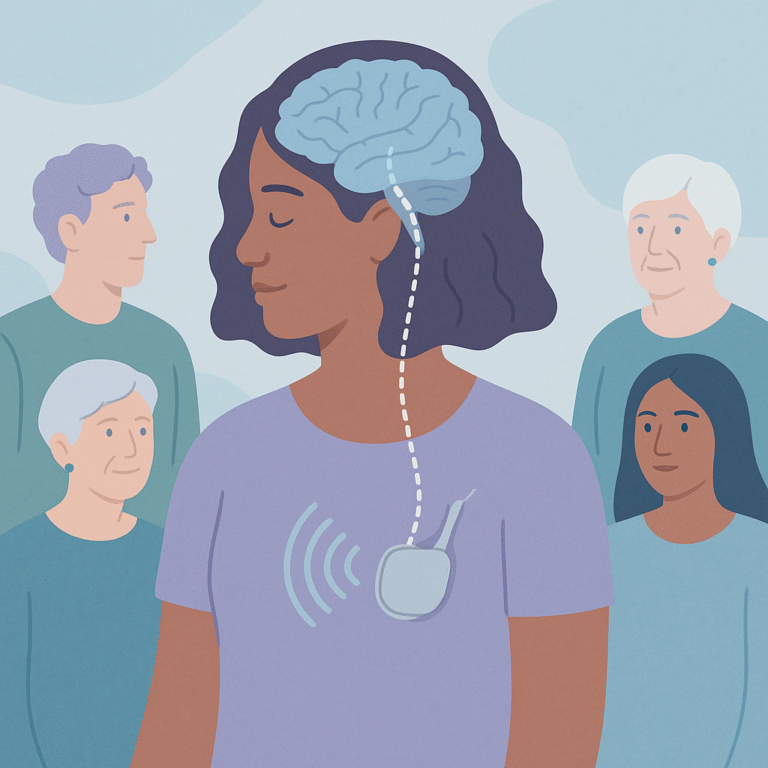
This study looked at how effective vagus nerve stimulation (VNS) is for people with drug-resistant epilepsy (DRE) and what factors might predict a positive response to this treatment.

This study focuses on the safety and effectiveness of using direct oral anticoagulants (DOACs) alongside antiseizure medications (ASMs) in patients aged 8 years and older.
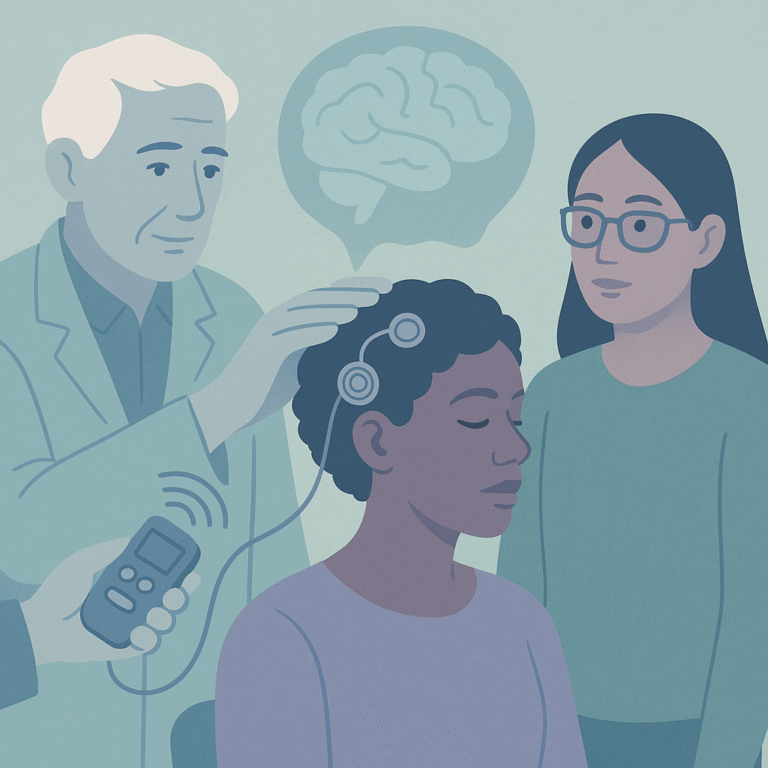
This study looked at the effects of responsive neurostimulation (RNS) on the brain function of patients with drug-resistant epilepsy (DRE).

Researchers studied the effects of different blood pressure medications on the risk of developing epilepsy in patients who had an ischemic stroke and also had high blood pressure.