Understanding Side Effects of Ketogenic Diet for Kids with Epilepsy
This study looked at the Classic Ketogenic Diet (CKD), a high-fat, low-carbohydrate diet used to treat children with epilepsy that does not respond to medication.
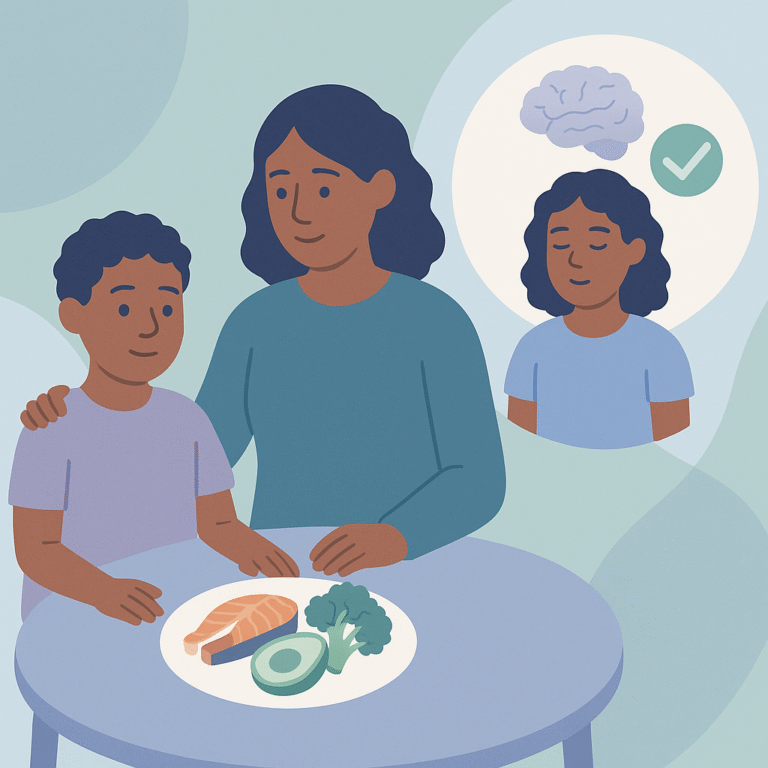
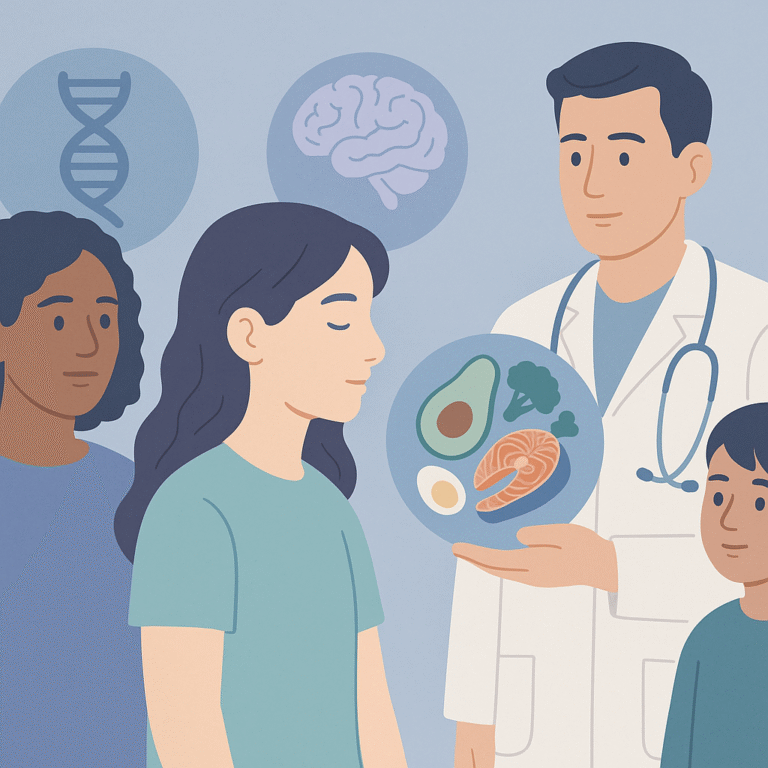
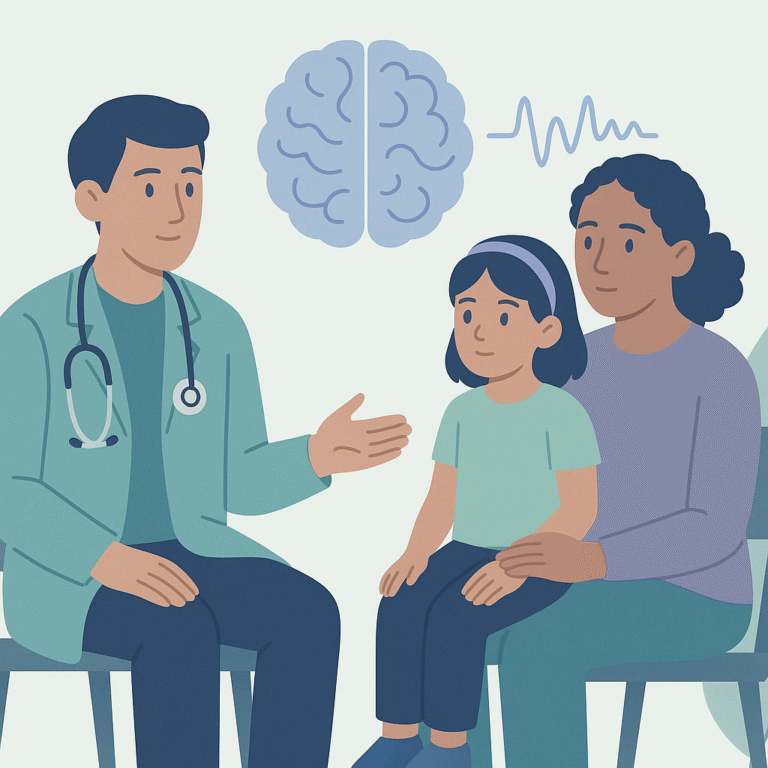
This hub covers ketogenic diet for epilepsy, a medically supervised nutrition therapy that can reduce seizures for some people. Evidence, who it helps, side effects, and practical questions.
No. Keto for epilepsy should be medically supervised because it can affect growth, labs, and medications.
Often weeks to a few months. Many teams reassess after a set trial period.
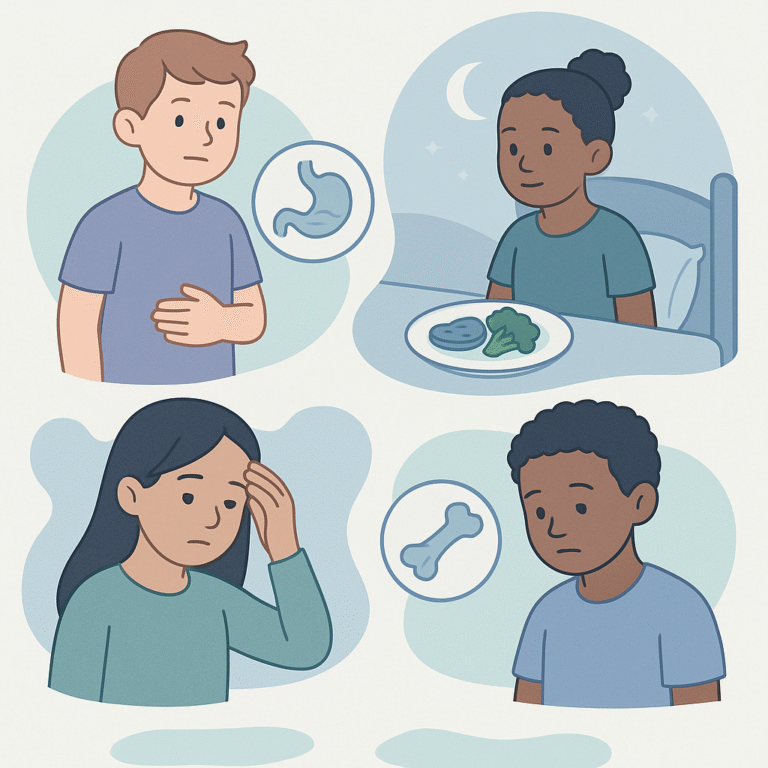
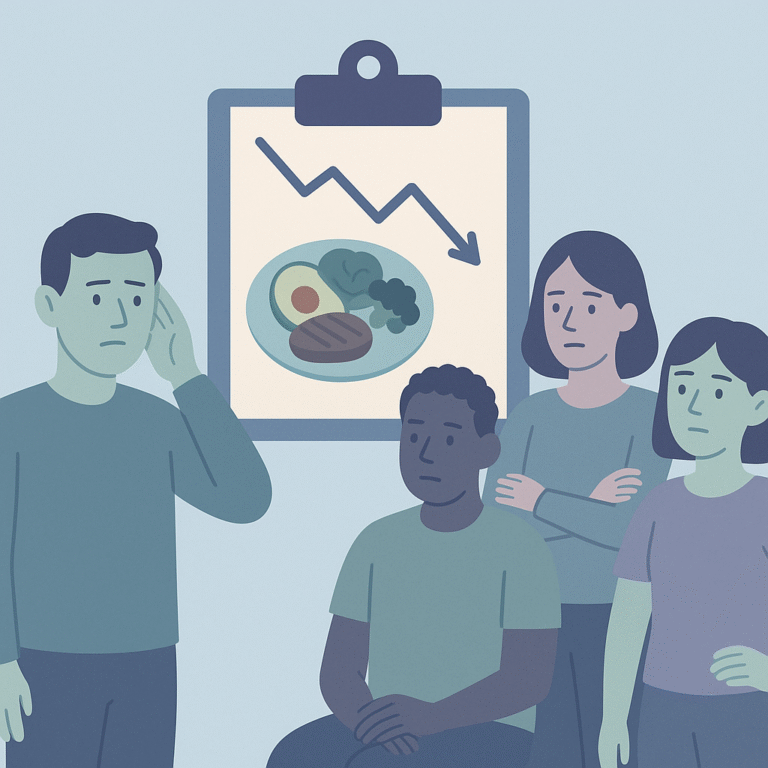
Constipation, high cholesterol, low blood sugar, kidney stones, and nausea. Your team will monitor and guide prevention.
Some do, but long-term plans depend on seizure control, growth, labs, and quality of life.
This study looked at the Classic Ketogenic Diet (CKD), a high-fat, low-carbohydrate diet used to treat children with epilepsy that does not respond to medication.
Researchers studied the effectiveness of antiseizure medications (ASMs) for treating epilepsy in children with Cyclin-dependent kinase-like 5 deficiency disorder (CDD), a serious condition that often leads to drug-resistant seizures.
Researchers studied a 12-year-old boy with a history of seizures and other health issues, including abnormal fat distribution and intellectual disability.
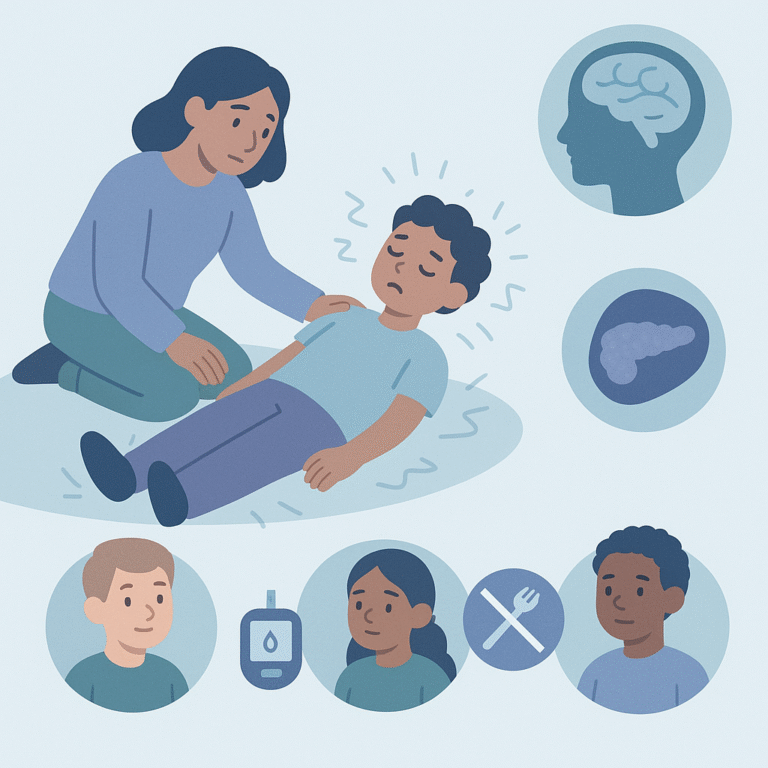
Researchers conducted a study to understand the causes and outcomes of hypoglycemic seizures in children.
Learn how the ketogenic diet may support brain health in children with infantile epileptic spasms and improve their development.