Long-Term Effects of Infantile Epileptic Spasms in Children
This study looked at the long-term effects of infantile epileptic spasms syndrome (IESS) in children in Korea.
This hub covers pediatric epilepsy in infants, kids, and teens, including diagnosis, syndromes, development, school plans, and safety. New studies translated into clear takeaways for parents.
Usually when two appropriate medications haven’t controlled seizures.
Many families benefit and it depends on seizure frequency, medications, and learning needs.
Often yes, with smart precautions. Ask your neurologist or epileptologist about your child’s specific risks.
Clusters, prolonged seizures, breathing trouble, new weakness, or major regression.

This study looked at the long-term effects of infantile epileptic spasms syndrome (IESS) in children in Korea.

Researchers studied the levels of a substance called macrophage migration inhibitory factor (MIF) in the cerebrospinal fluid (CSF) of children with different acute neuroinflammatory diseases.
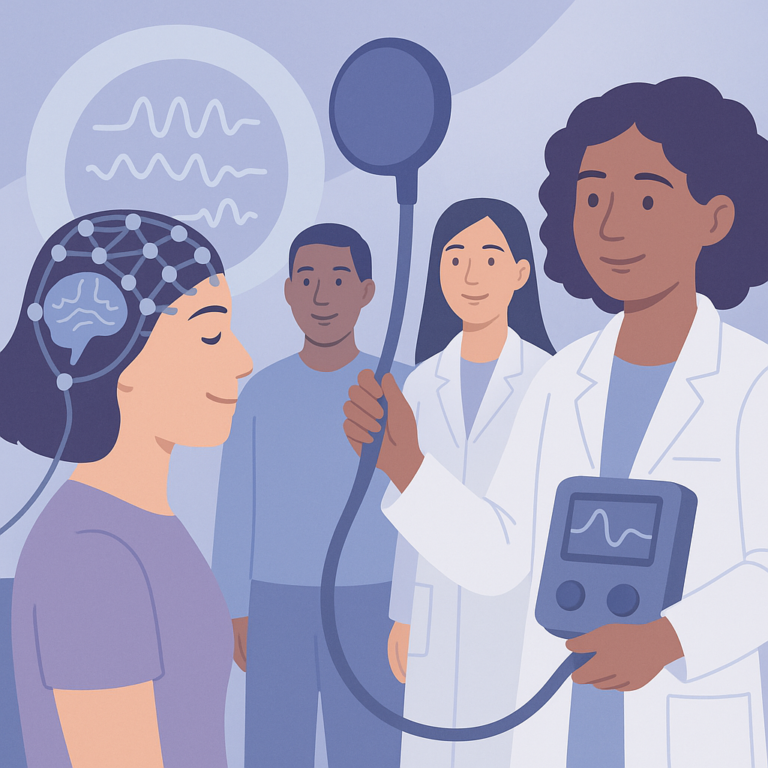
Researchers studied a method called transcranial magnetic stimulation (TMS) to see if it could be effectively timed to occur during specific brain activity known as interictal epileptiform discharges (IEDs).
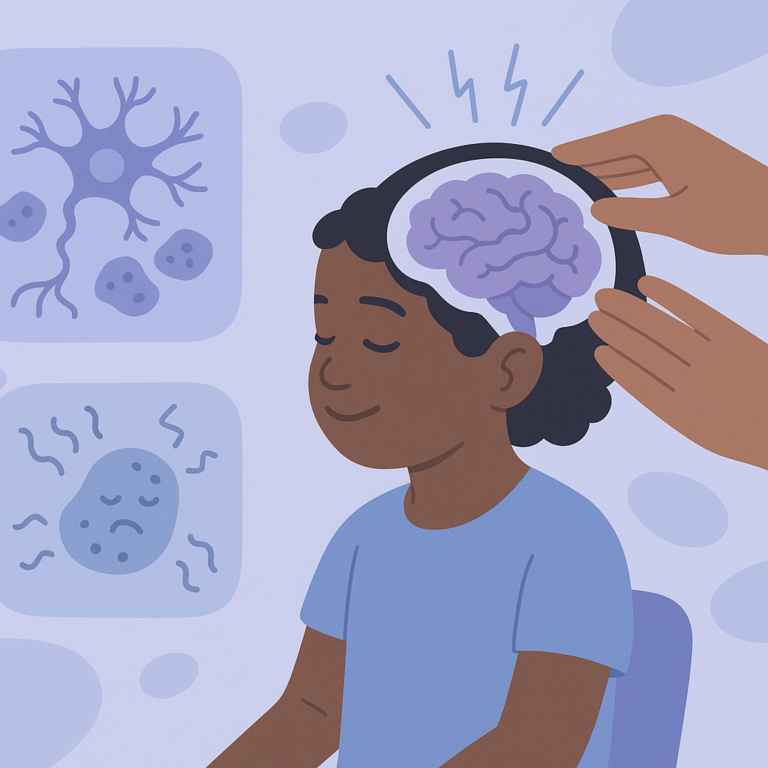
This study looked at children under 12 years old who have epilepsy that does not respond to medication, specifically those with malformations of cortical development (MCD).

Researchers studied the changes in clinical guidelines for developing epilepsy medications set by the European Medicines Agency (EMA) between 2010 and 2025.
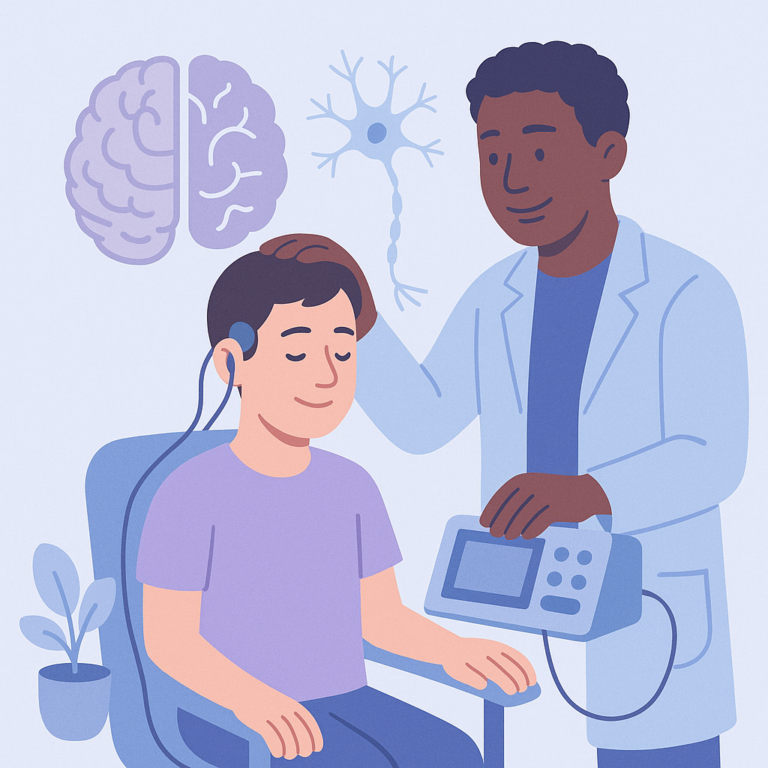
Researchers studied children with severe epilepsy who underwent a procedure called hemispherectomy, where one side of the brain is removed or disconnected to control seizures.

This study looked at pediatric movement disorders (MDs) in children and teenagers aged 0-18 years at a specialized clinic in Bogotá, Colombia.

Researchers studied the challenges that children with epilepsy face when taking their medications.
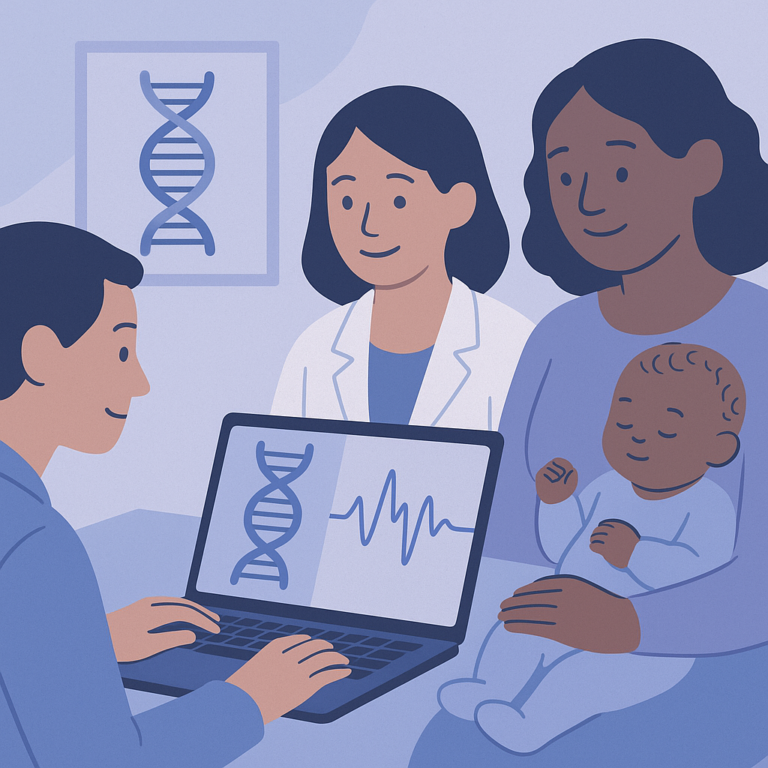
Researchers studied infants with unexplained epilepsy, particularly those who had undergone rapid genome sequencing that did not provide clear answers.