Genetic Differences Between Infantile Epileptic Syndromes Explained
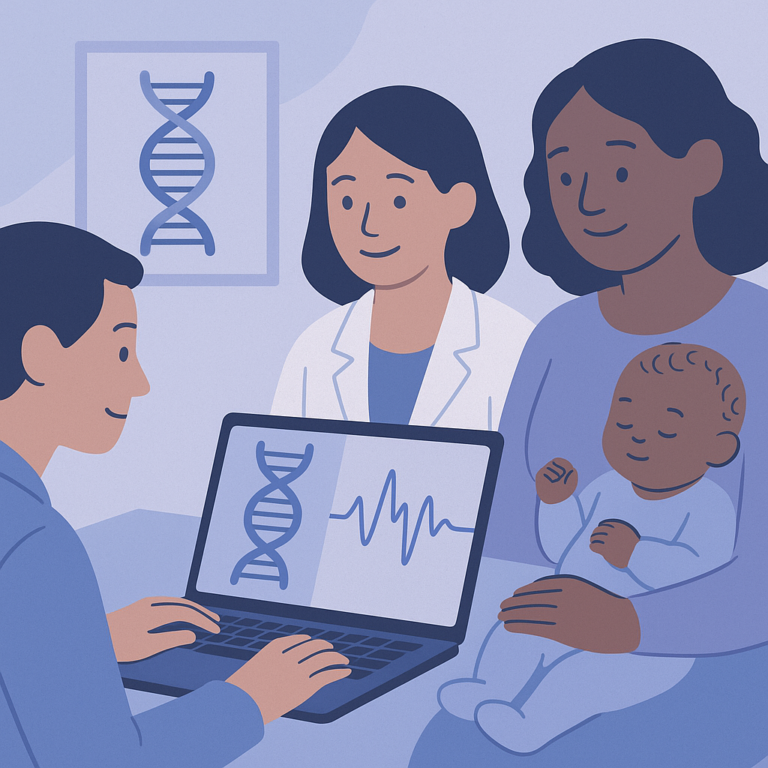
This study looked at two types of epilepsy that can occur in infants: infantile epileptic spasms syndrome (IESS) and self-limited infantile epilepsy (SeLIE).
This hub covers pediatric epilepsy in infants, kids, and teens, including diagnosis, syndromes, development, school plans, and safety. New studies translated into clear takeaways for parents.
Usually when two appropriate medications haven’t controlled seizures.
Many families benefit and it depends on seizure frequency, medications, and learning needs.
Often yes, with smart precautions. Ask your neurologist or epileptologist about your child’s specific risks.
Clusters, prolonged seizures, breathing trouble, new weakness, or major regression.
This study looked at two types of epilepsy that can occur in infants: infantile epileptic spasms syndrome (IESS) and self-limited infantile epilepsy (SeLIE).
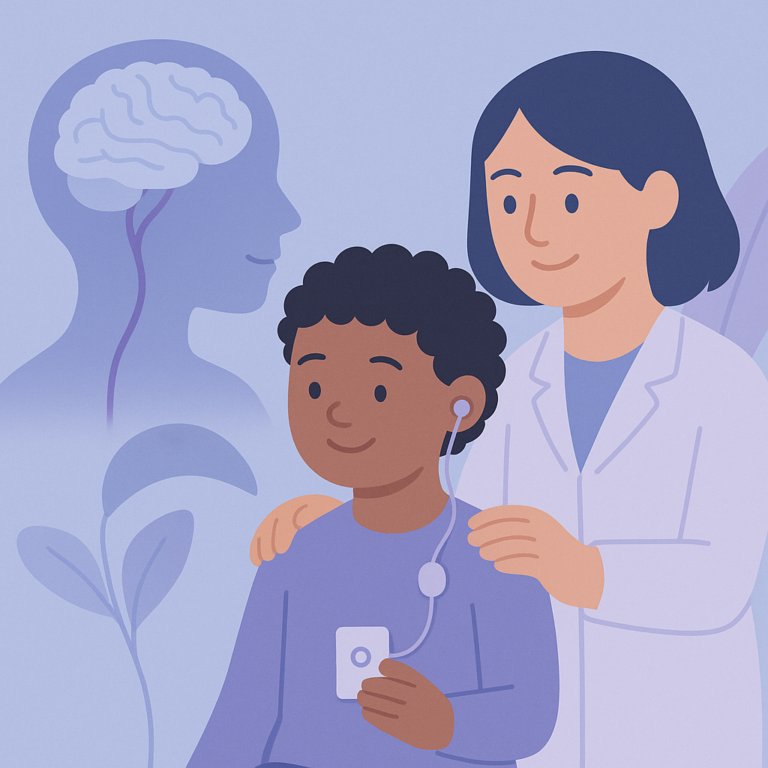
This study looked at how two treatments, vagus nerve stimulation (VNS) and epilepsy surgery (ES), affect the use of seizure medications in children with drug-resistant epilepsy (DRE).
This study focused on children with drug-resistant epilepsy, which means their seizures do not respond well to standard medications.
Researchers studied how to treat seizures in newborns, particularly focusing on those who experience seizures shortly after birth.
Researchers studied 631 children aged 1 month to 6 years who experienced their first febrile seizure (FS) at Children’s Hospital 2 in Ho Chi Minh City, Vietnam.
Researchers studied the metabolic profiles of people with epilepsy to see if there are common patterns among different groups.
This study focuses on the use of vagus nerve stimulation (VNS) as a treatment for status epilepticus in children, which is a serious condition where seizures last too long or happen back-to-back.
Researchers studied three cases of infantile epilepsy, which is a type of epilepsy that affects babies from birth to two years old.
Researchers studied how pediatric hospitals in Canada use imaging methods, like MRI and CT scans, to evaluate children who have new-onset seizures.