Understanding Sex and Gender Differences in Neurological Diseases
Researchers studied how sex and gender differences affect various neurological diseases, including epilepsy, in both men and women.
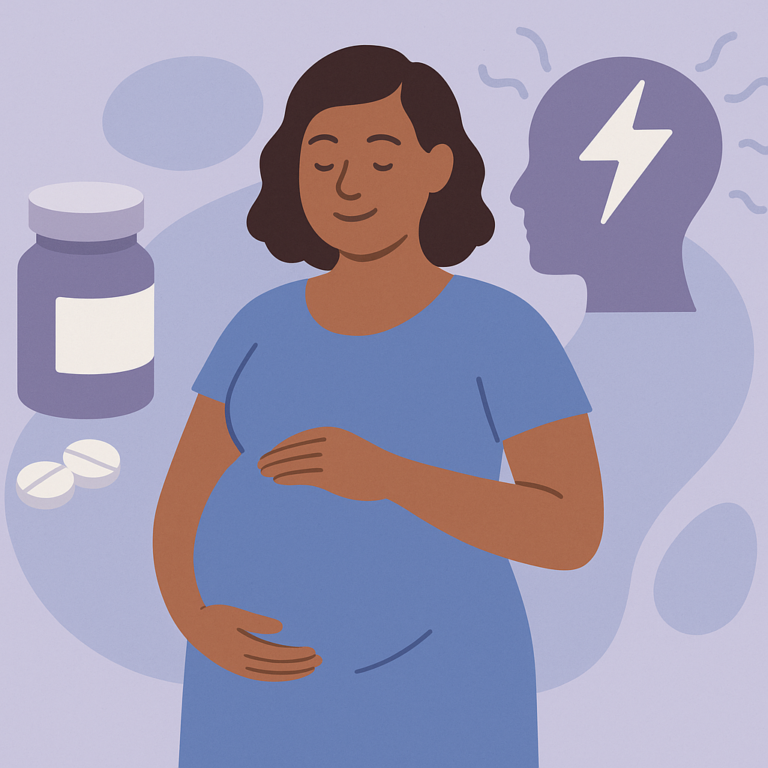
This hub covers epilepsy and pregnancy: Seizure control, medication safety, folic acid, and planning before, during, and after pregnancy. Research summaries to support informed decisions.
No. Stopping medication suddenly can be dangerous. Medication decisions should be planned with your neurologist/OB.
Body water, metabolism, and clearance change. Some meds need dose adjustments guided by blood levels.
Not always. Many people remain stable, especially with good adherence and monitoring.
Sleep deprivation is a real risk. Planning shifts and extra support isnβt βextra,β itβs safety.
Researchers studied how sex and gender differences affect various neurological diseases, including epilepsy, in both men and women.
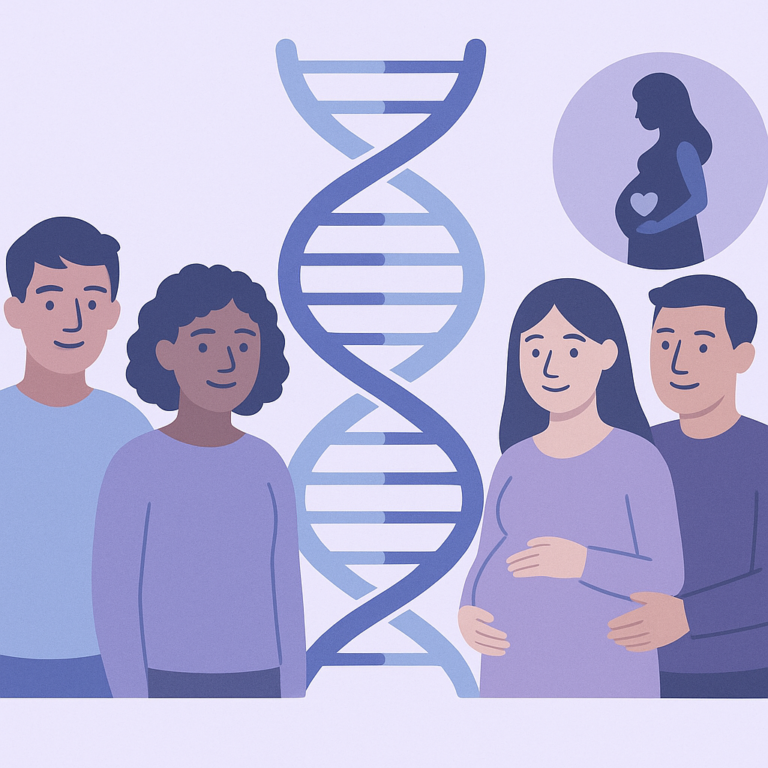
Researchers studied a genetic condition called PPP2R1A-related neurodevelopmental disorders, which can lead to developmental delays, intellectual disabilities, epilepsy, and brain malformations.
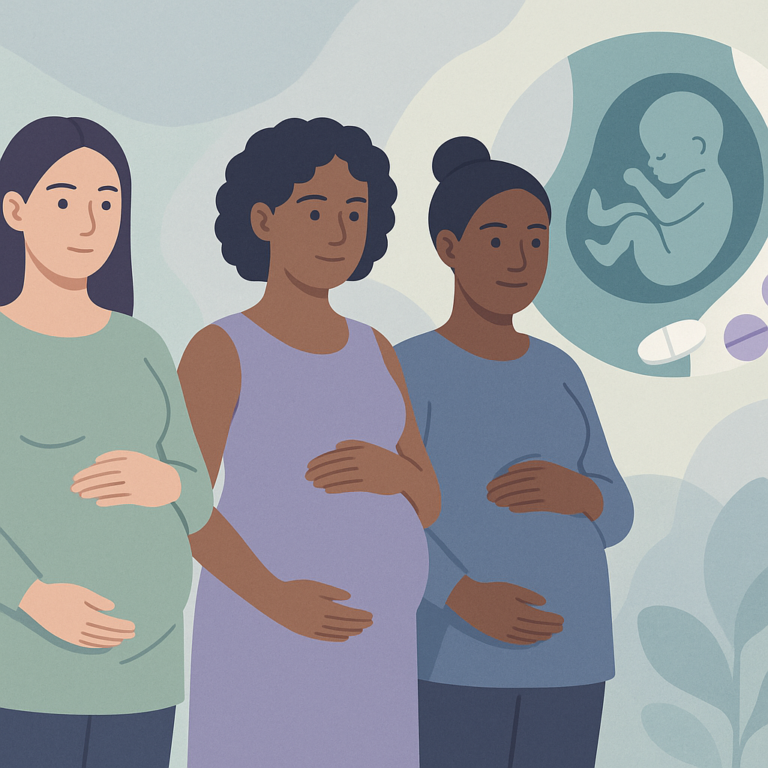
This study looked at how taking antiseizure medications (ASMs) during pregnancy affects the risk of birth defects in babies.
This study looked at different methods used to create consensus-based recommendations (CBRs) for epilepsy care.
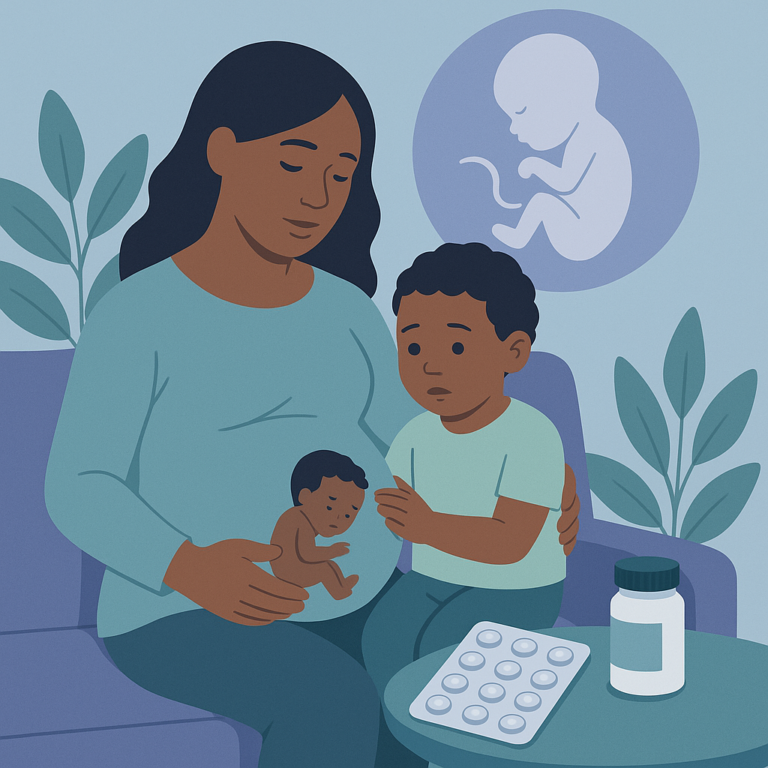
This study looked at how being exposed to antiseizure medications (ASMs) before birth affects children’s cognitive development from ages 2 to 6.
A study was conducted in Brazil to understand the relationship between prenatal exposure to the Zika virus and the risk of epilepsy-related hospitalizations in young children.
Researchers studied the effects of a drug called EQU-001 (ivermectin) on spasms in a rat model of infantile epileptic spasms syndrome (IESS).
This study looked at how a mother’s weight before pregnancy affects the development of her child.
Researchers studied the challenges and outcomes of assisted reproductive technologies (ART) for women with epilepsy (WWE).