Ivermectin Shows Promise for Treating Infantile Epileptic Spasms
Researchers studied the effects of a drug called EQU-001 (ivermectin) on spasms in a rat model of infantile epileptic spasms syndrome (IESS).
This hub covers epilepsy and pregnancy: Seizure control, medication safety, folic acid, and planning before, during, and after pregnancy. Research summaries to support informed decisions.
No. Stopping medication suddenly can be dangerous. Medication decisions should be planned with your neurologist/OB.
Body water, metabolism, and clearance change. Some meds need dose adjustments guided by blood levels.
Not always. Many people remain stable, especially with good adherence and monitoring.
Sleep deprivation is a real risk. Planning shifts and extra support isn’t “extra,” it’s safety.

Researchers studied the effects of a drug called EQU-001 (ivermectin) on spasms in a rat model of infantile epileptic spasms syndrome (IESS).

This study looked at how a mother’s weight before pregnancy affects the development of her child.
Researchers studied the challenges and outcomes of assisted reproductive technologies (ART) for women with epilepsy (WWE).
This study looked at how child neurologists talk to female patients with epilepsy about reproductive health.
Researchers studied how levetiracetam, a common medication for epilepsy, is monitored during pregnancy.
In this study, researchers looked at the SSPOP gene and its connection to epilepsy and developmental disorders in children.

This study focused on women with epilepsy who are of childbearing age, a group that faces specific challenges related to their condition and reproductive health.
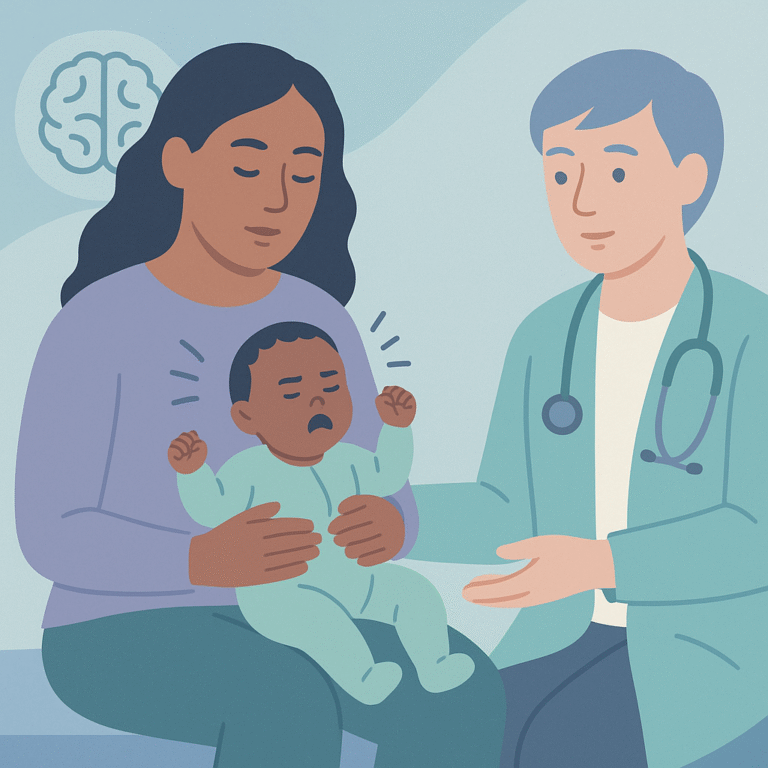
Researchers studied infantile epilepsy spasms syndrome (IESS), a serious condition that affects about 3 in 10,000 newborns in the U.S.
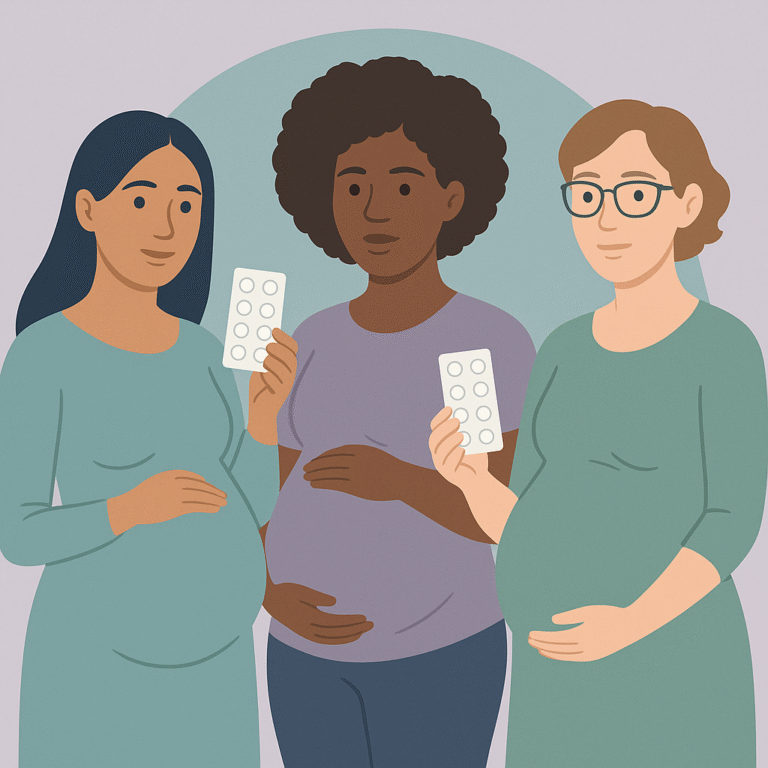
A recent study surveyed international experts to understand their recommendations for folic acid supplementation in pregnant people with epilepsy.