Guidelines for Managing Epilepsy in Pregnancy Need Improvement
Researchers studied how well current guidelines help manage pregnancy for women with epilepsy (WWE).
This hub covers epilepsy and pregnancy: Seizure control, medication safety, folic acid, and planning before, during, and after pregnancy. Research summaries to support informed decisions.
No. Stopping medication suddenly can be dangerous. Medication decisions should be planned with your neurologist/OB.
Body water, metabolism, and clearance change. Some meds need dose adjustments guided by blood levels.
Not always. Many people remain stable, especially with good adherence and monitoring.
Sleep deprivation is a real risk. Planning shifts and extra support isn’t “extra,” it’s safety.
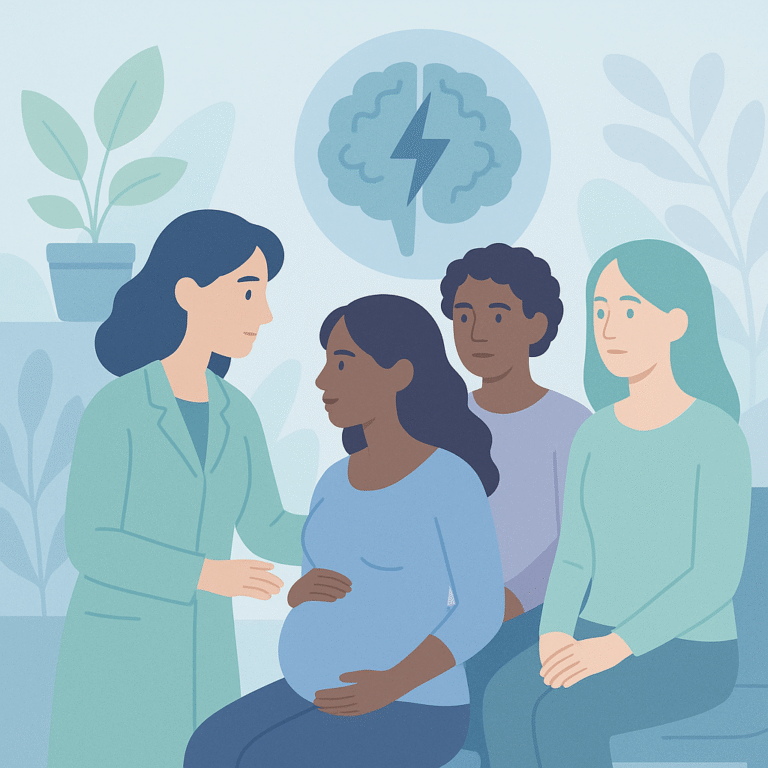
Researchers studied how well current guidelines help manage pregnancy for women with epilepsy (WWE).

Researchers conducted a study to examine the experiences and outcomes of pregnant individuals with epilepsy.

Researchers examined the effects of invasive neurostimulation on pregnant women with epilepsy and Tourette syndrome.
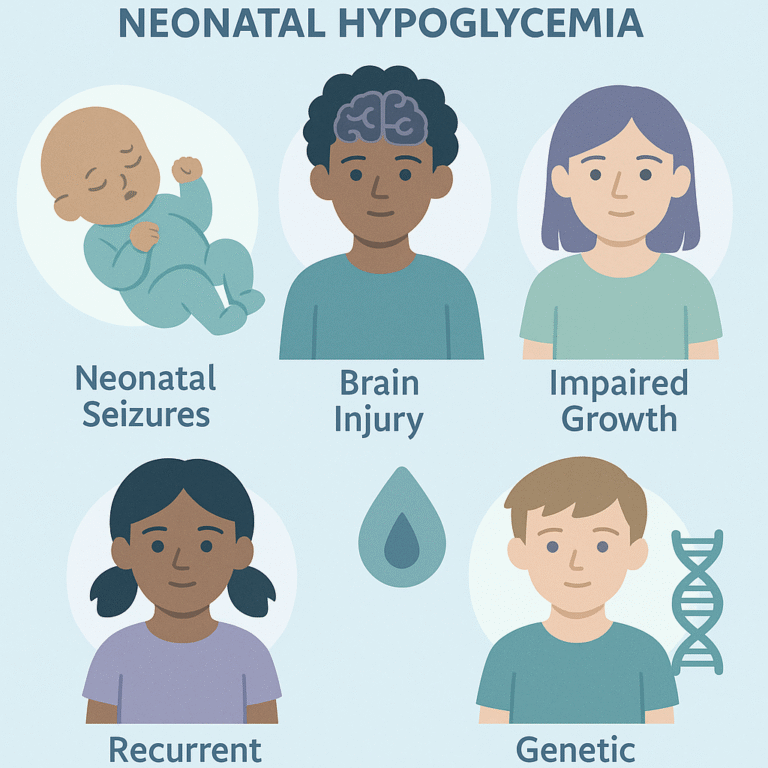
Researchers studied the potential risk factors for epilepsy in children who experienced neonatal hypoglycemia, which is low blood sugar shortly after birth.
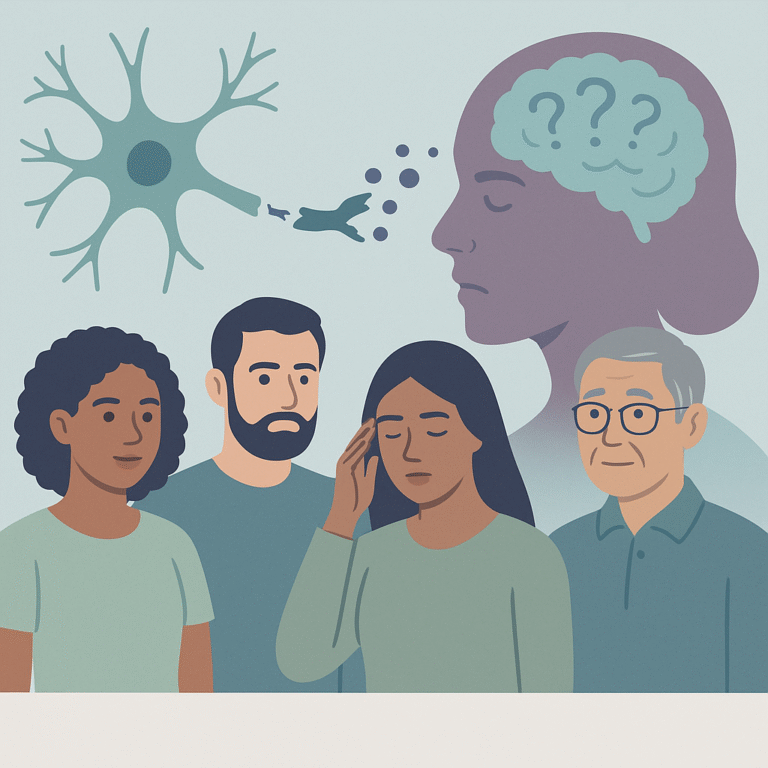
Researchers conducted a study to explore the connection between cognitive dysfunction and serum neuron-specific enolase (NSE) levels in patients with systemic lupus erythematosus (SLE).
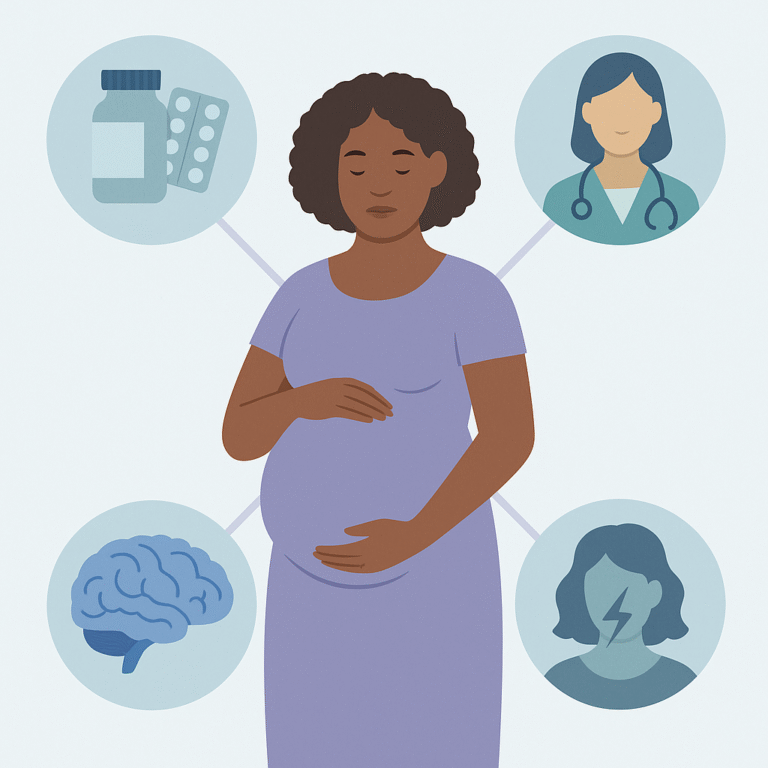
Researchers studied how different factors affect seizure control and delivery outcomes in women with epilepsy who were either planning or not planning their pregnancies.
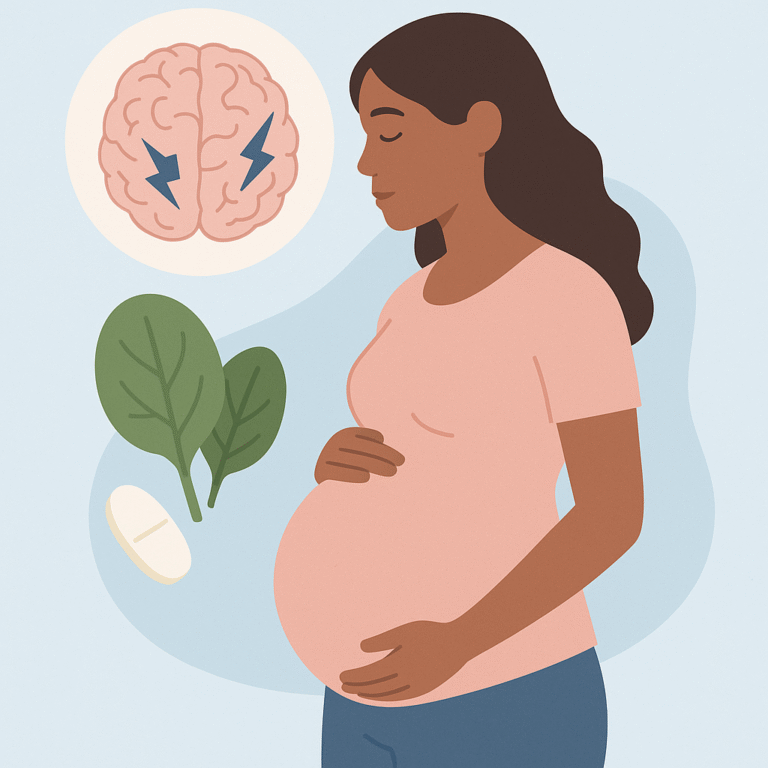
Learn why folate is crucial for pregnant women with epilepsy and how it supports healthy fetal development. Consult your healthcare provider.
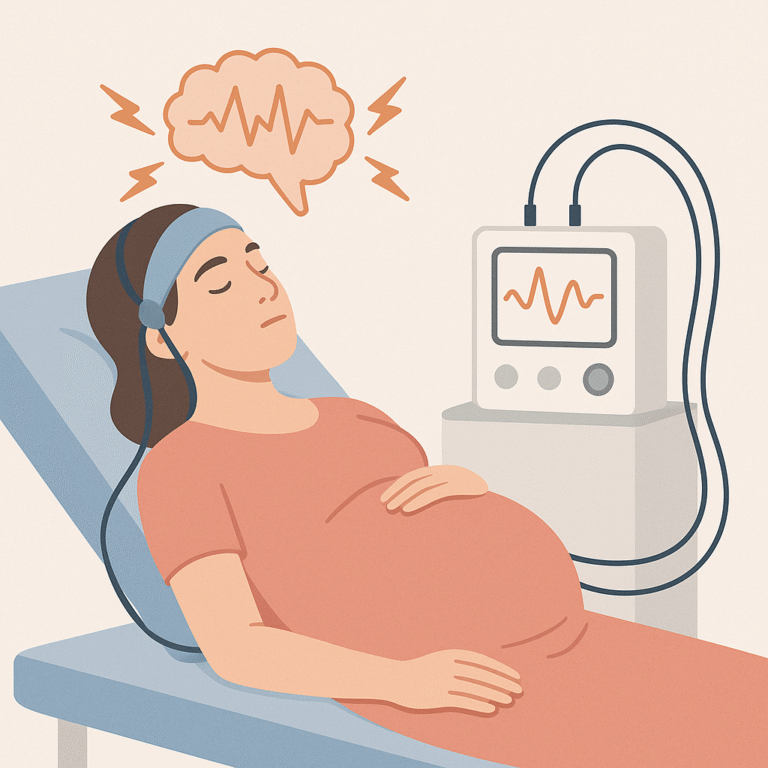
Discover how electroconvulsive therapy helped a pregnant woman with severe seizures when other treatments failed. Explore options with your doctor.