LITT Offers Less Invasive Option for Nontumoral Epilepsy Surgery
This study looked at two different surgical treatments for people with nontumoral epilepsy, which is epilepsy not caused by a brain tumor.
This hub covers seizure first aid: what to do during a seizure, when to use rescue meds, and when to call 911. Clear, research-informed guidance for home, school, sports, and sleep.
Yes, you can get it here! Stick it on the fridge, give it to the grandparents, and share it with teachers.
If a convulsive seizure lasts ~5 minutes, breathing is abnormal, injury occurs, it’s a first seizure, or recovery is not typical.
A written plan for caregivers/schools that includes seizure types, what to do, and when to use rescue meds.
Often yes with 1:1 close supervision, a plan, and risk discussion with your neurologist.
Showers are usually safer than baths. If using a bath, supervision matters.

This study looked at two different surgical treatments for people with nontumoral epilepsy, which is epilepsy not caused by a brain tumor.
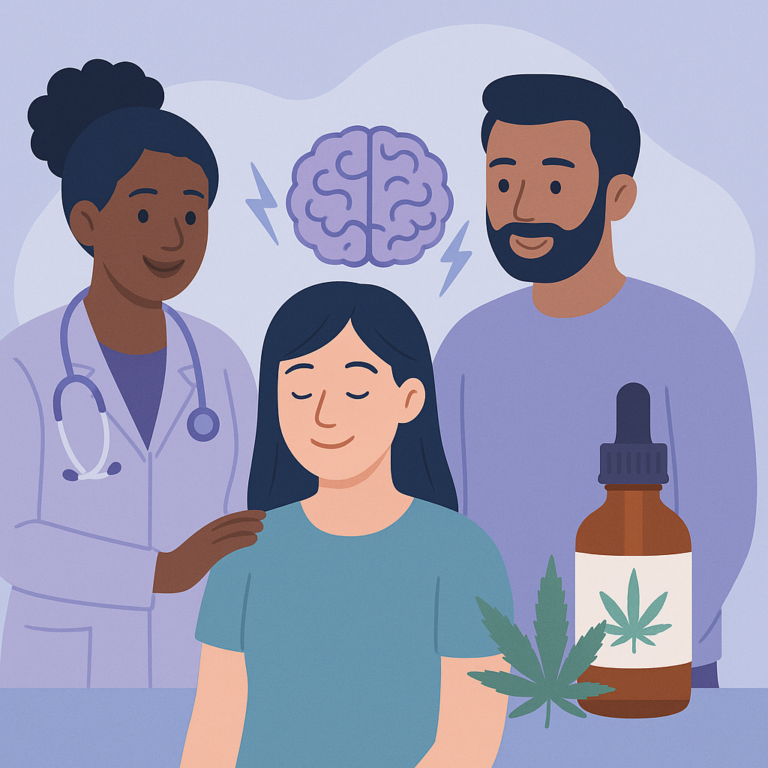
Researchers studied the effects of a highly purified form of cannabidiol (CBD), known as Epidiolex® or Epidyolex®, on people with various types of epilepsy, particularly those with developmental and epileptic encephalopathies (DEEs) and complex treatment-resistant epilepsies (TREs).

Researchers studied the safety of deep brain stimulation (DBS), a surgical treatment used for conditions like epilepsy, by comparing it to other common elective surgeries.

This study looked at how well a new type of EEG monitoring works for people with severe forms of epilepsy, specifically developmental and epileptic encephalopathies (DEEs).
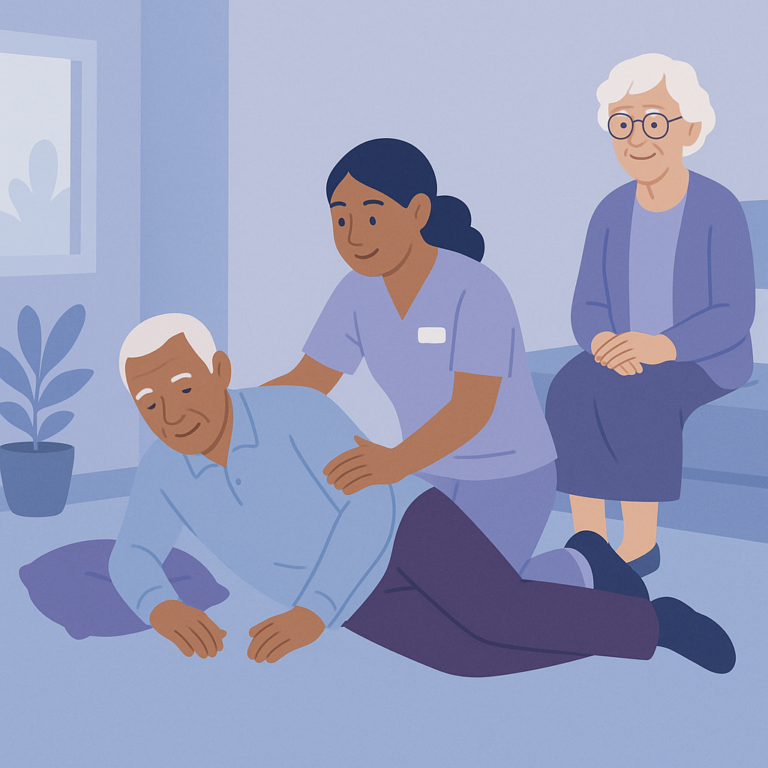
This study looked at how nursing homes in the United States manage acute seizures in their residents.
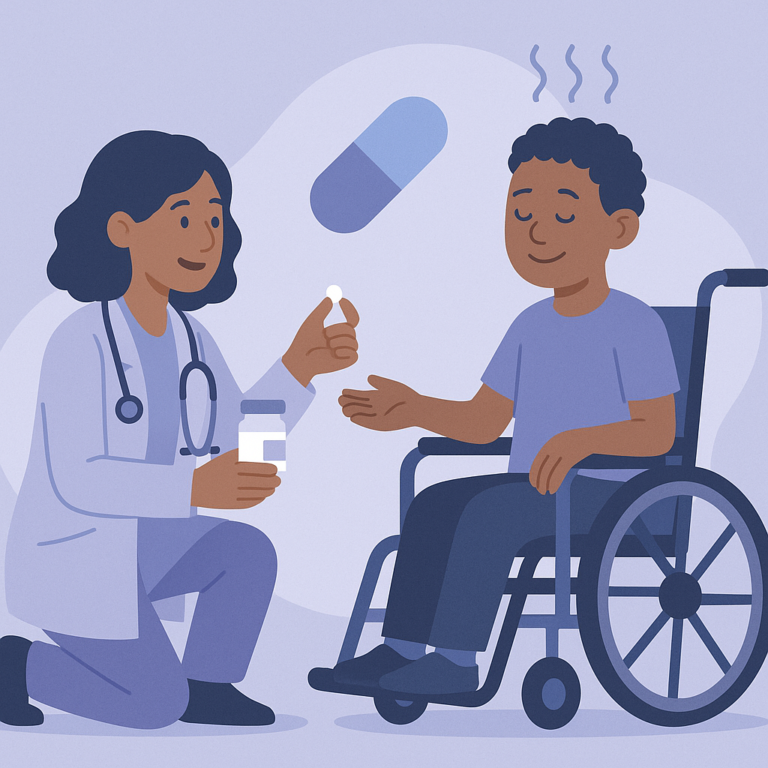
A study was conducted to evaluate the safety and effectiveness of vigabatrin, a medication for epilepsy, in children with Lennox-Gastaut syndrome (LGS).

Researchers studied how sex and gender differences affect various neurological diseases, including epilepsy, in both men and women.
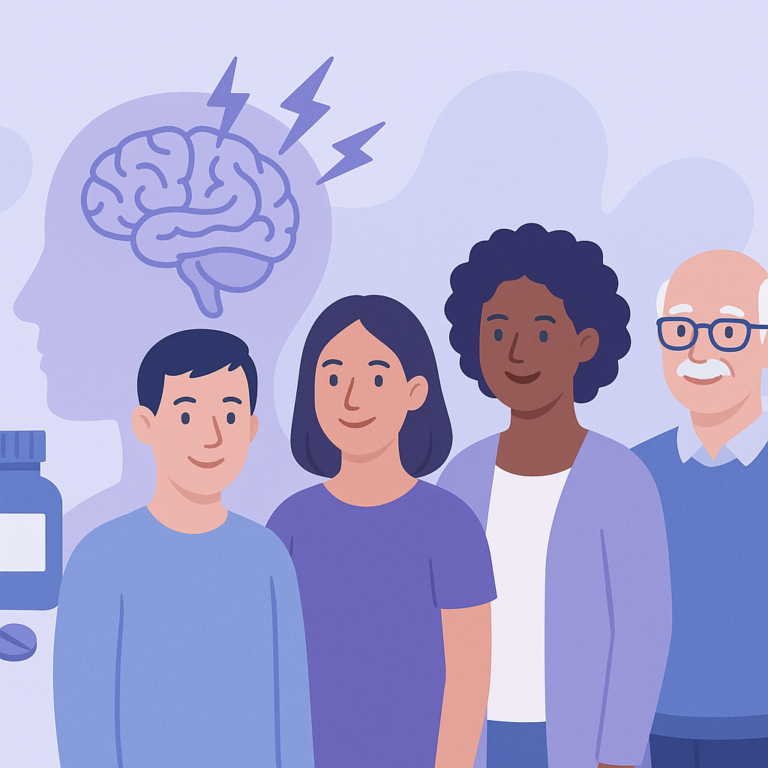
This study looked at a new medication called ES-481, which is being developed to help people with drug-resistant epilepsy.
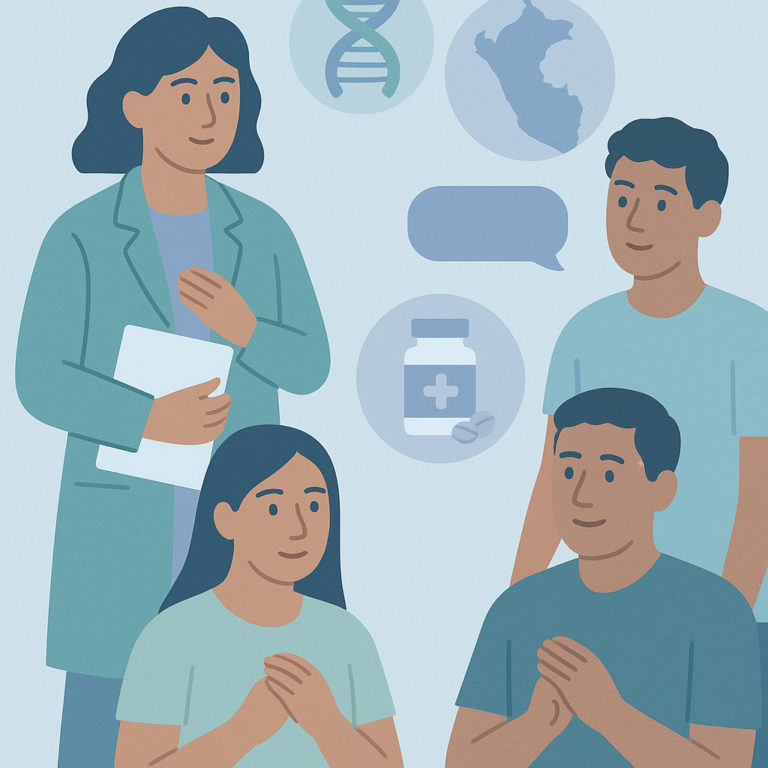
A study was conducted to explore how certain genetic variations affect the way Peruvian patients with epilepsy respond to antiseizure medications.