SEEG Improves Epilepsy Surgery Outcomes with Expert Care
Researchers studied the use of stereoelectroencephalography (SEEG) in patients with drug-resistant focal epilepsy.
This hub covers seizure first aid: what to do during a seizure, when to use rescue meds, and when to call 911. Clear, research-informed guidance for home, school, sports, and sleep.
Yes, you can get it here! Stick it on the fridge, give it to the grandparents, and share it with teachers.
If a convulsive seizure lasts ~5 minutes, breathing is abnormal, injury occurs, itโs a first seizure, or recovery is not typical.
A written plan for caregivers/schools that includes seizure types, what to do, and when to use rescue meds.
Often yes with 1:1 close supervision, a plan, and risk discussion with your neurologist.
Showers are usually safer than baths. If using a bath, supervision matters.
Researchers studied the use of stereoelectroencephalography (SEEG) in patients with drug-resistant focal epilepsy.
Researchers studied two methods used to monitor brain activity in people with epilepsy: stereoelectroencephalography (SEEG) and subdural electrodes (SDE).
Researchers studied the use of vigabatrin (VGB) as a preventive treatment for infants with tuberous sclerosis complex (TSC), a condition that often leads to early-onset epilepsy.
A study was conducted to examine how well a new inhalation device called Staccatoยฎ alprazolam works in adolescents aged 12 to 17 with epilepsy.
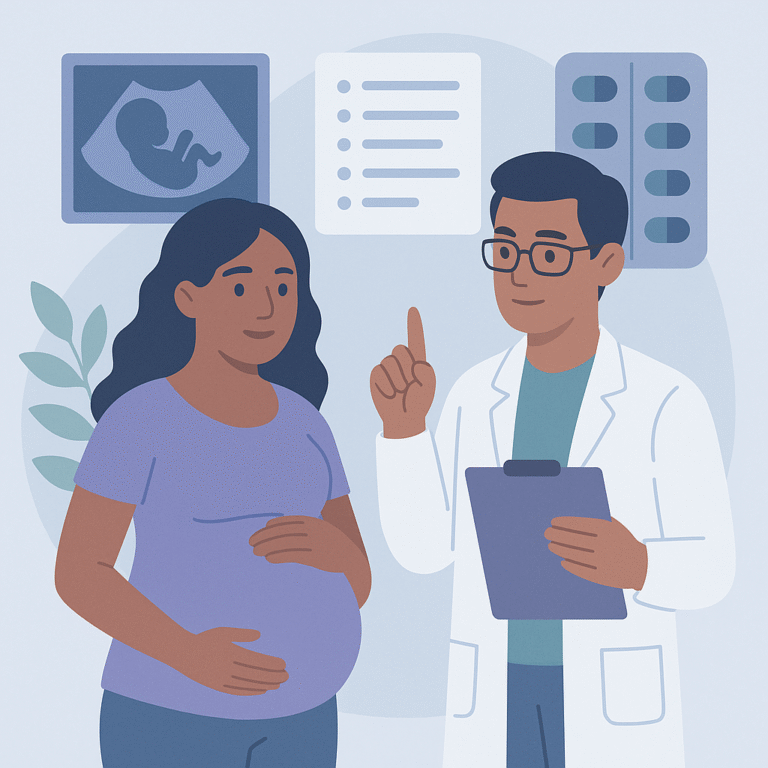
Researchers studied how levetiracetam, a common medication for epilepsy, is monitored during pregnancy.
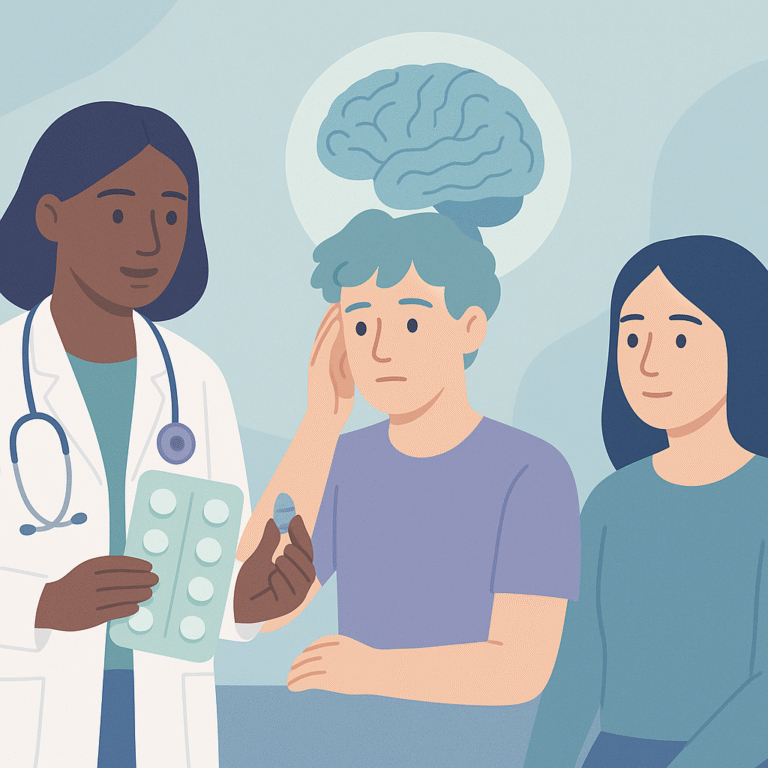
Researchers studied the effects of Ivermectin (IVM) on patients with drug-resistant epilepsy, which means their seizures are hard to control even with multiple medications.
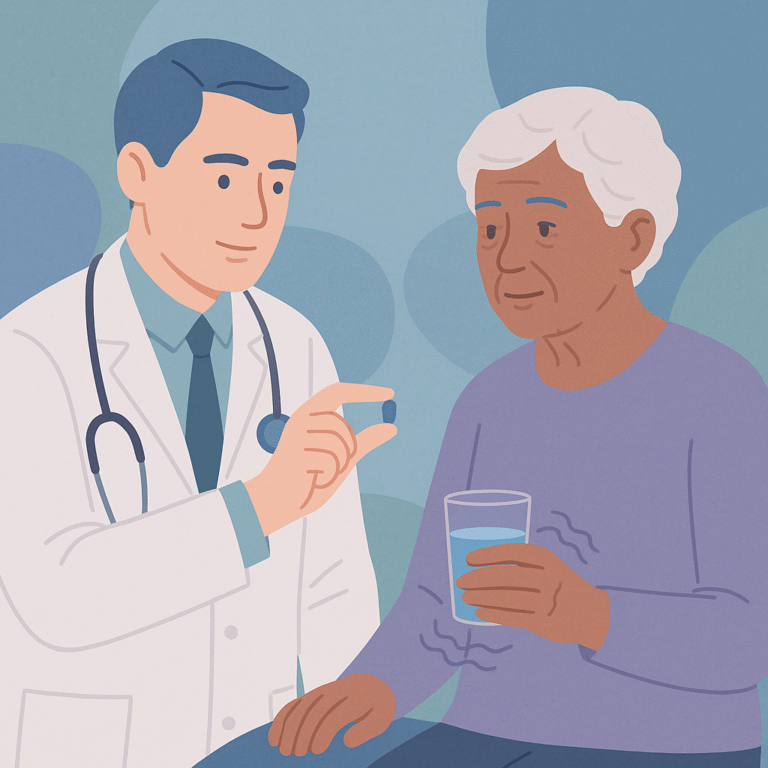
Researchers studied the use of a medication called perampanel, which is already approved for treating seizures in epilepsy, to see if it could help people with severe tremors.
This study looked at the effects of resective surgery on children with drug-resistant epilepsy related to tuberous sclerosis complex (TSC).
A study was conducted to evaluate how effective and safe clobazam (CLB) is when added to treatment for children with epilepsy who did not respond well to their first medication.