Brain Cell Channels Can Help Or Harm Recovery
This paper was a systematic review, not a new experiment.
This hub covers seizure first aid: what to do during a seizure, when to use rescue meds, and when to call 911. Clear, research-informed guidance for home, school, sports, and sleep.
Yes, you can get it here! Stick it on the fridge, give it to the grandparents, and share it with teachers.
If a convulsive seizure lasts ~5 minutes, breathing is abnormal, injury occurs, it’s a first seizure, or recovery is not typical.
A written plan for caregivers/schools that includes seizure types, what to do, and when to use rescue meds.
Often yes with 1:1 close supervision, a plan, and risk discussion with your neurologist.
Showers are usually safer than baths. If using a bath, supervision matters.
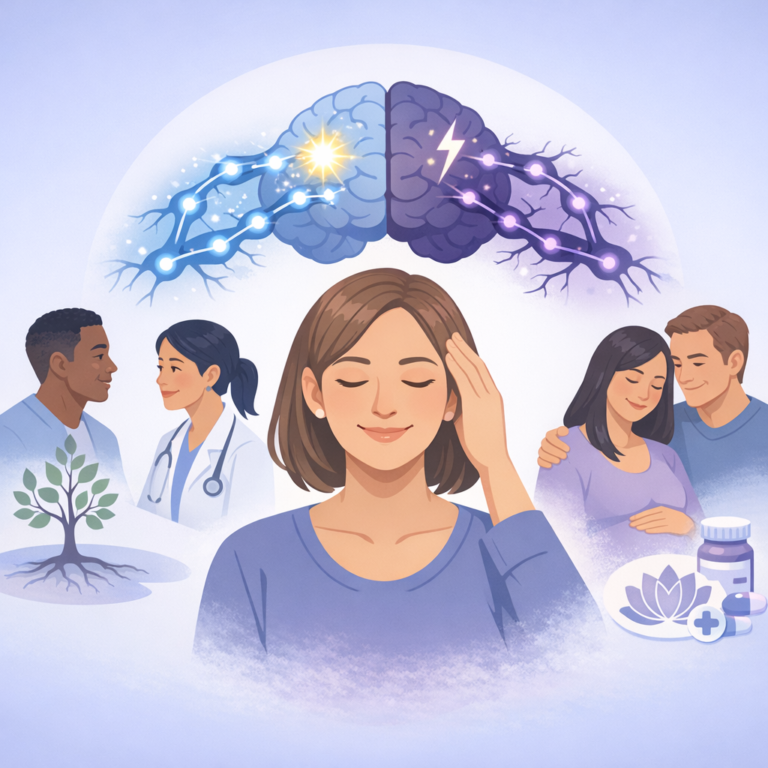
This paper was a systematic review, not a new experiment.
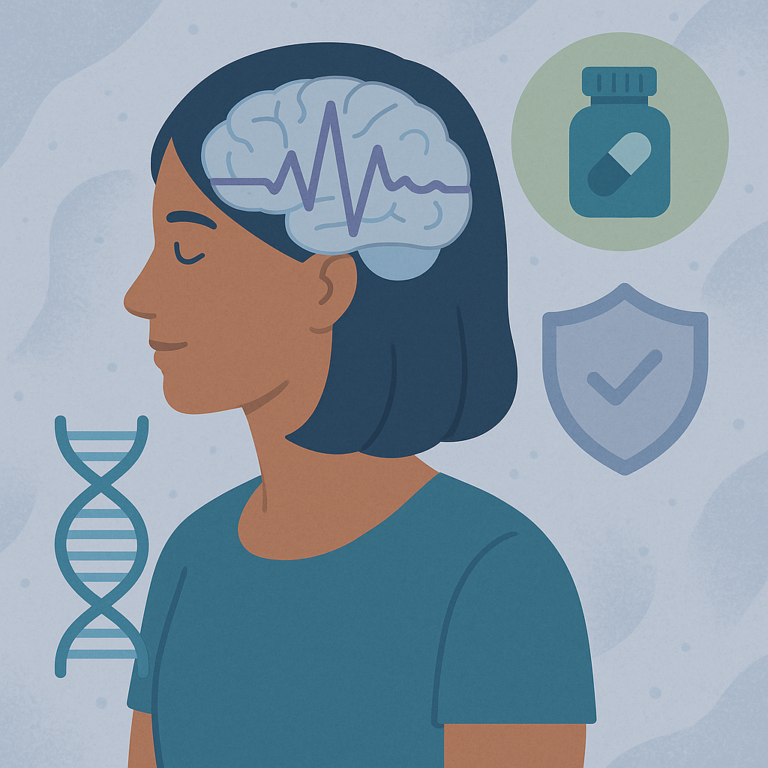
This paper is a review article about cenobamate, a seizure medicine.
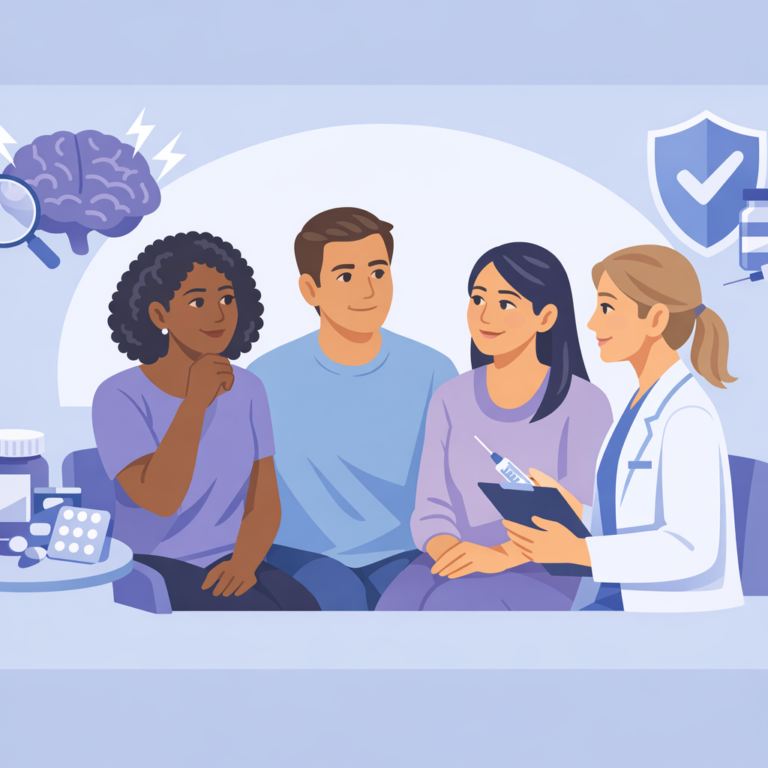
This study combined results from 14 research studies about COVID-19 vaccine hesitancy in adults with epilepsy.

This study combined results from 35 studies in a network meta-analysis.
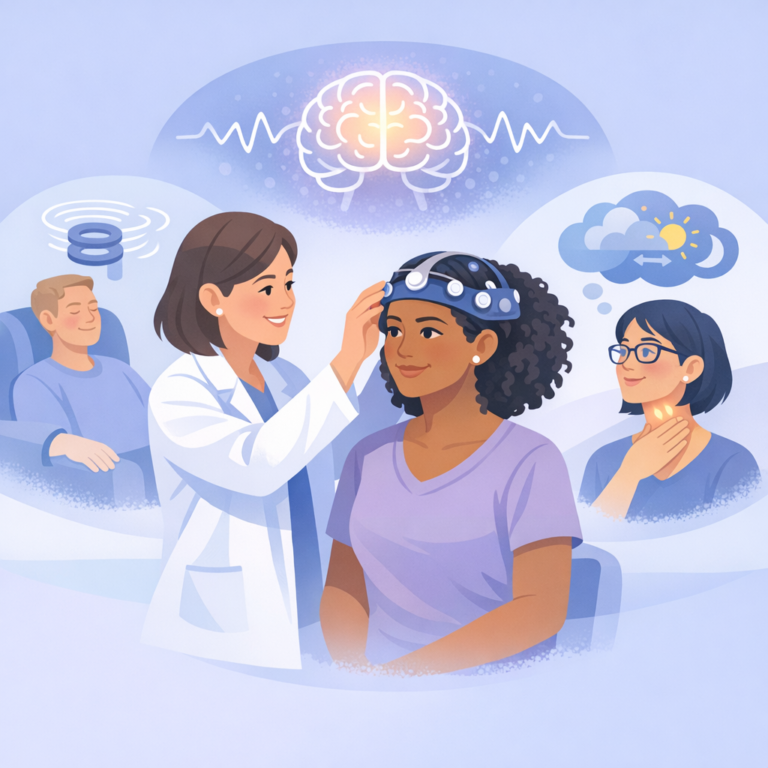
This paper was a systematic review that looked at studies directly comparing two noninvasive brain stimulation methods: transcranial alternating current stimulation (tACS) and transcranial direct current stimulation (tDCS).

This study looked at a brain device called the RNS System in adults with drug-resistant focal epilepsy, meaning seizures kept happening despite medicine.

This study looked at the ketogenic diet, a high-fat, low-carbohydrate diet, in 74 children with infantile epileptic spasms syndrome (IESS).

This paper reviewed research on stiripentol, a seizure medicine, in children with developmental and epileptic encephalopathies, or DEEs.

This study tested whether fenofibrate, a drug usually used to lower blood fats, could help people with active epilepsy when added to their usual seizure medicines.