Early Midazolam Infusion Improves Care for Kids with Seizures
Researchers studied how to improve the treatment of status epilepticus, a serious condition where a person has prolonged seizures, in children.
This hub covers status epilepticus, a seizure emergency, which is when a seizure doesn’t stop or seizures happen back-to-back without recovery. The 5-minute rule, rescue meds, and what care looks like.
A convulsive seizure approaching 5 minutes is treated seriously because the chance it won’t stop rises.
If a convulsive seizure lasts ~5 minutes, breathing is abnormal, injury occurs, it’s a first seizure, or recovery is not typical.
Yes. Confusion, staring, or unusual behavior that doesn’t resolve can be nonconvulsive status, especially in hospital settings.
Not always. Some families have plans that include rescue meds and monitoring. But prolonged convulsive seizures generally need urgent care.
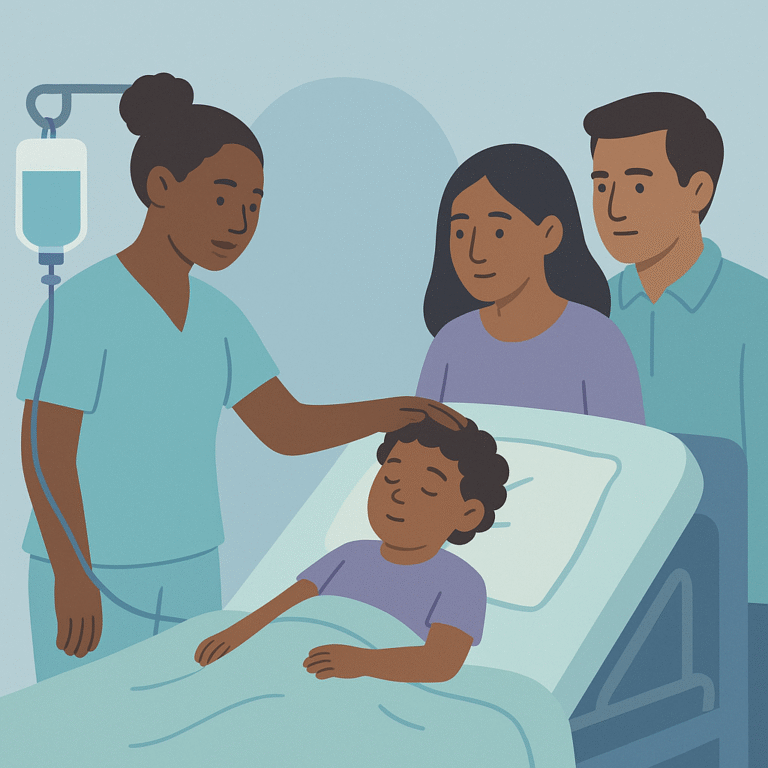
Researchers studied how to improve the treatment of status epilepticus, a serious condition where a person has prolonged seizures, in children.

Researchers studied six Chinese children diagnosed with pyridoxine-dependent epilepsy (PDE) to understand the clinical features and genetic changes related to this condition.
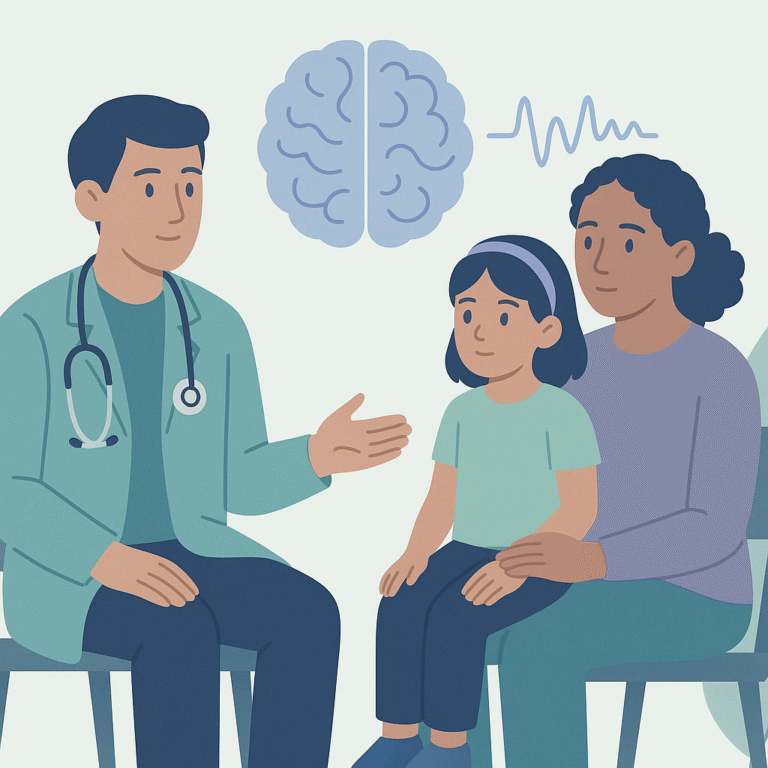
This study looked at the experiences of a child named Ethan who has Dravet syndrome, a severe form of epilepsy that starts in infancy.
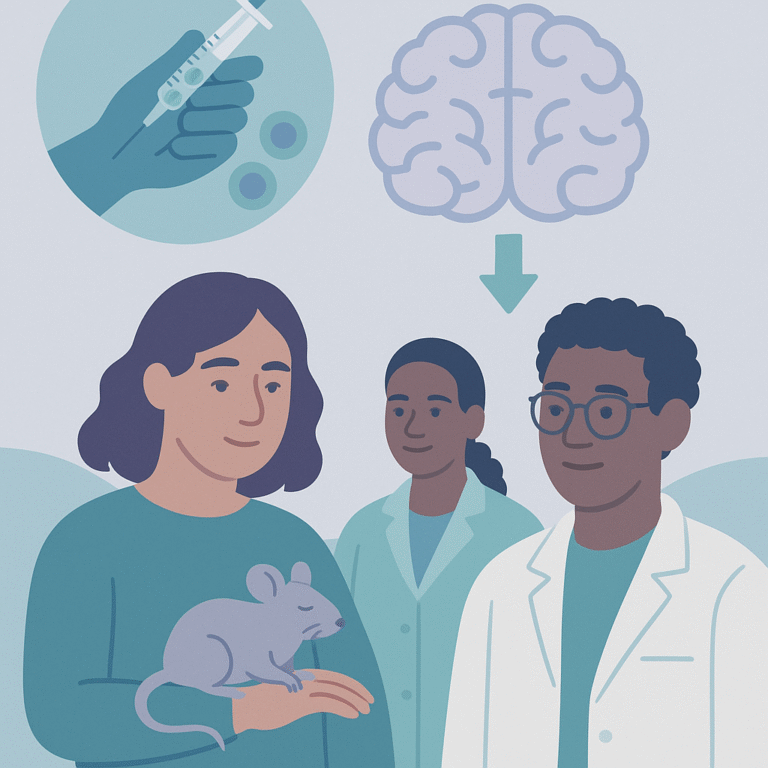
This study looked at how effective cell therapy is in reducing seizures in animals that have chronic epilepsy.

Researchers studied 231 children who experienced febrile seizures, which are seizures triggered by fever, to see if they could predict who might develop epilepsy or a specific type of epilepsy called genetic epilepsy with febrile seizures plus (GEFS+).
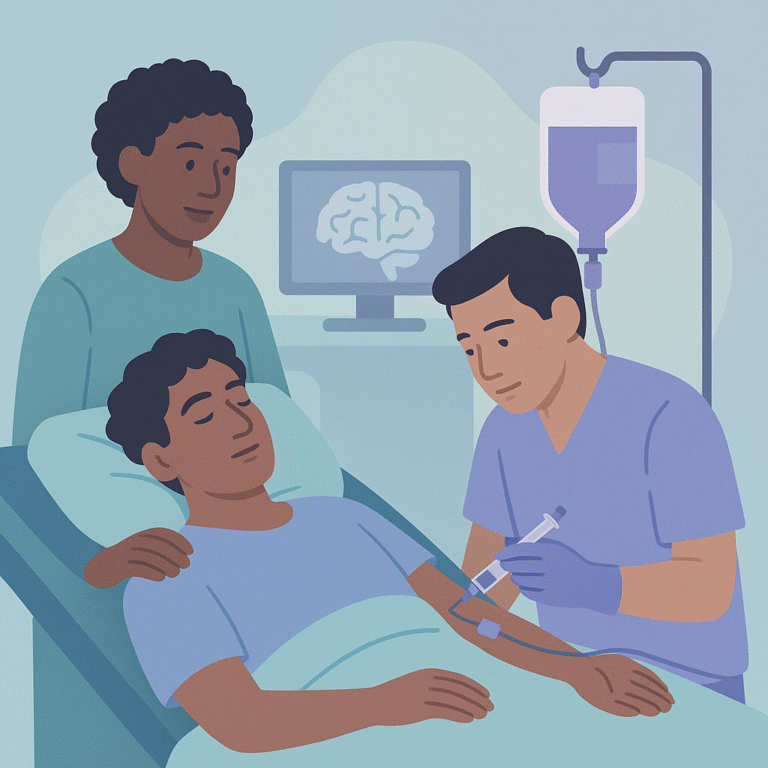
Researchers studied new ways to treat status epilepticus (SE), a serious condition where seizures last too long and can cause severe harm.

This study looked at the long-term quality of life for people who survived a severe type of epilepsy called new onset refractory status epilepticus (NORSE), including a specific form known as febrile infection-related epilepsy syndrome (FIRES).
Researchers studied how well hospitals follow treatment guidelines for status epilepticus (SE), a serious condition where seizures last too long.

Researchers investigated the use of intravenous (i/v) levetiracetam (LEV) as a first-line treatment for patients experiencing non-convulsive status epilepticus (NCSE), a serious condition where seizures occur without noticeable convulsions.