Improving SUDEP Communication Among Epilepsy Professionals in Spain
This study looked at how epilepsy professionals in Spain talk about Sudden Unexpected Death in Epilepsy (SUDEP), which is a serious risk for people with epilepsy.
This hub covers SUDEP risk: What SUDEP is, major risk factors, and practical ways to reduce risk without panic. Plain-language research summaries for families.
Most epilepsy organizations encourage clinicians to discuss it in an appropriate, supportive way so families can take practical steps.
Better seizure control, especially reducing generalized tonic-clonic seizures, and consistent medication use.
We don’t have proof it prevents SUDEP, but detection can help with timely response and safety planning.
It’s uncommon overall, but the risk is higher in people with uncontrolled seizures, especially nighttime convulsive seizures.
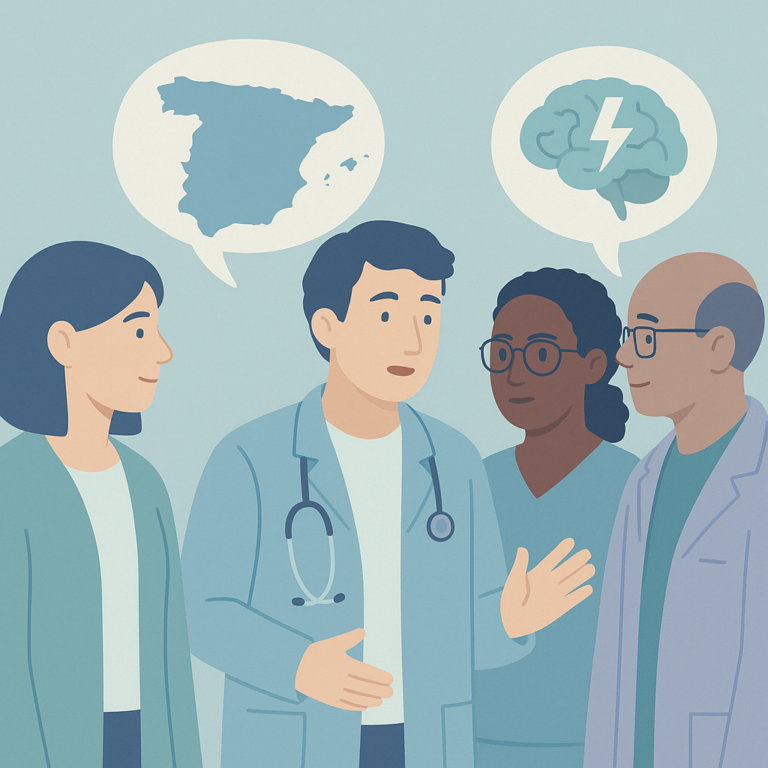
This study looked at how epilepsy professionals in Spain talk about Sudden Unexpected Death in Epilepsy (SUDEP), which is a serious risk for people with epilepsy.

This study looked at a specific genetic cause of focal epilepsy called DEPDC5 variants, which are often linked to brain abnormalities.

A study was conducted in Jordan to understand how well pediatricians and pediatric residents know about epilepsy and its management.
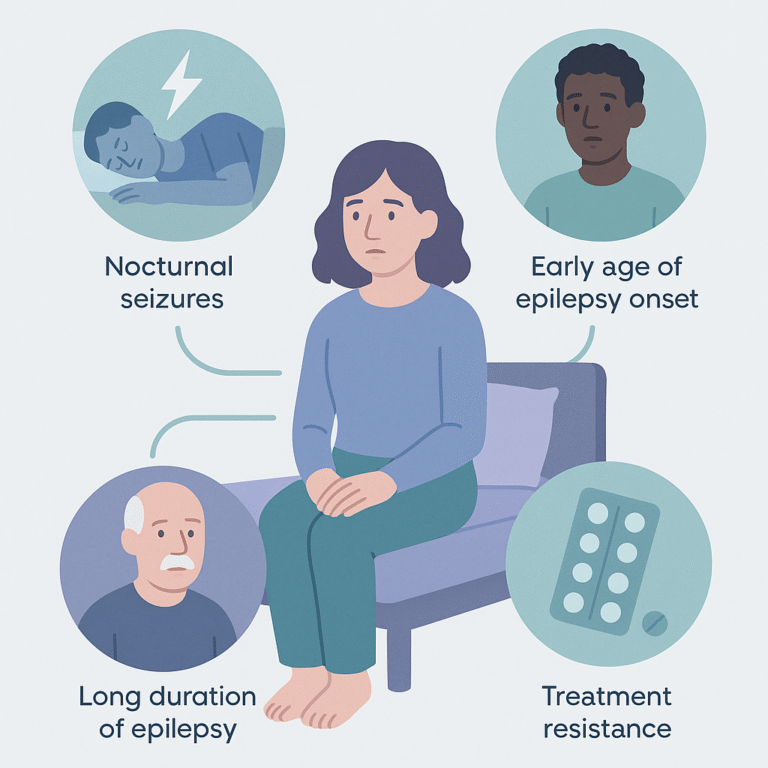
This study looked at sudden unexpected death in epilepsy (SUDEP), which is a major cause of death related to epilepsy.

This study looked at how neurologists in five European countries—UK, Norway, Sweden, Spain, and Hungary—communicate about Sudden Unexpected Death in Epilepsy (SUDEP), which is a major cause of death for people with epilepsy.
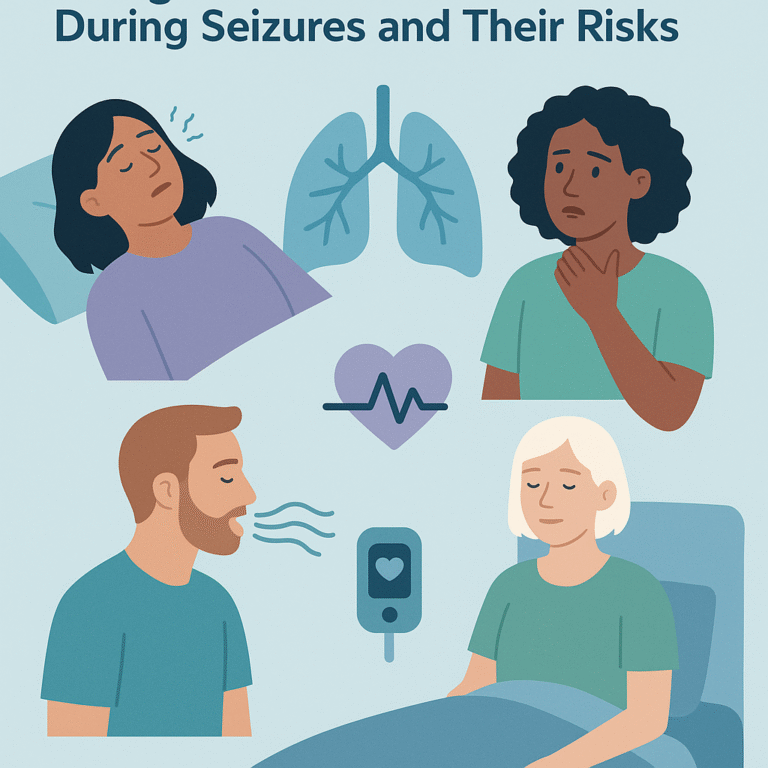
Researchers examined how breathing is affected during and after seizures, focusing on specific breathing problems that can occur during these events.

Discover new research tools aimed at reducing the risk of SUDEP, offering hope for safer care for children and adults with epilepsy.