Improving MRI Techniques for Detecting Focal Cortical Dysplasia
Researchers studied different MRI techniques to find focal cortical dysplasia (FCD), a condition that can cause severe epilepsy that doesn’t respond to medication.
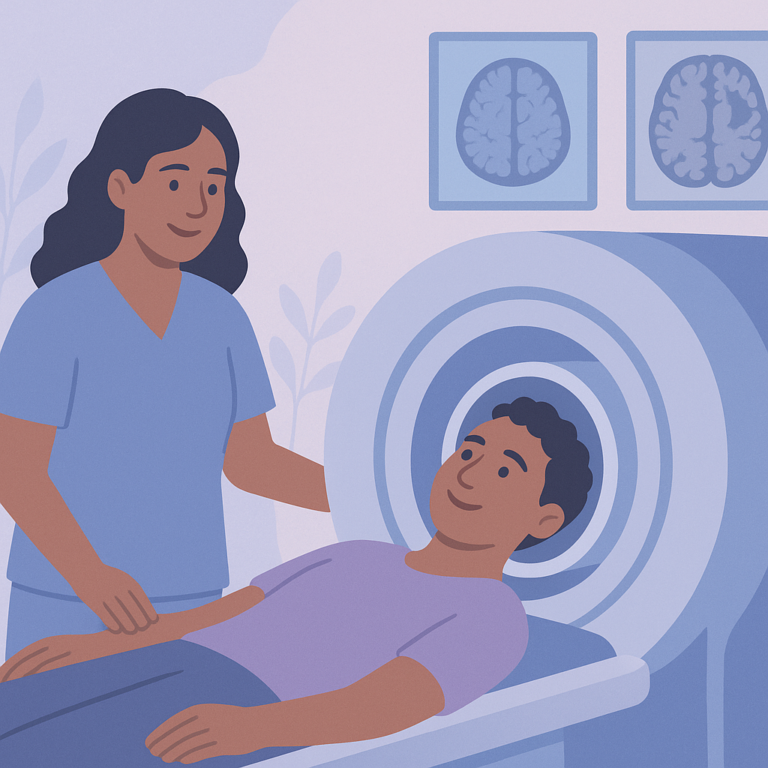
Researchers studied different MRI techniques to find focal cortical dysplasia (FCD), a condition that can cause severe epilepsy that doesn’t respond to medication.

This study looked at Alexander disease, a rare genetic condition that affects children, to understand how it progresses and what factors might influence outcomes.

Researchers studied the Social and Occupational Functioning Scale for Epilepsy (SOFSE) to create a Russian version that could help assess how well adults with epilepsy manage social and work-related activities.

This study looked at how different factors affect the journey of young people with epilepsy who might need surgery.

This study focused on understanding how different genetic changes in the KCNQ2 gene affect cognitive abilities and epilepsy in a group of 90 patients from China.

Researchers studied how well mobile health (mHealth) tools could help caregivers of young children with epilepsy stick to their prescribed antiseizure medications.

This study looked at two different surgical treatments for people with nontumoral epilepsy, which is epilepsy not caused by a brain tumor.

A study was conducted to compare two medications, sodium valproate (VPA) and levetiracetam (LEV), for treating children aged 2 to 18 who were newly diagnosed with epilepsy.
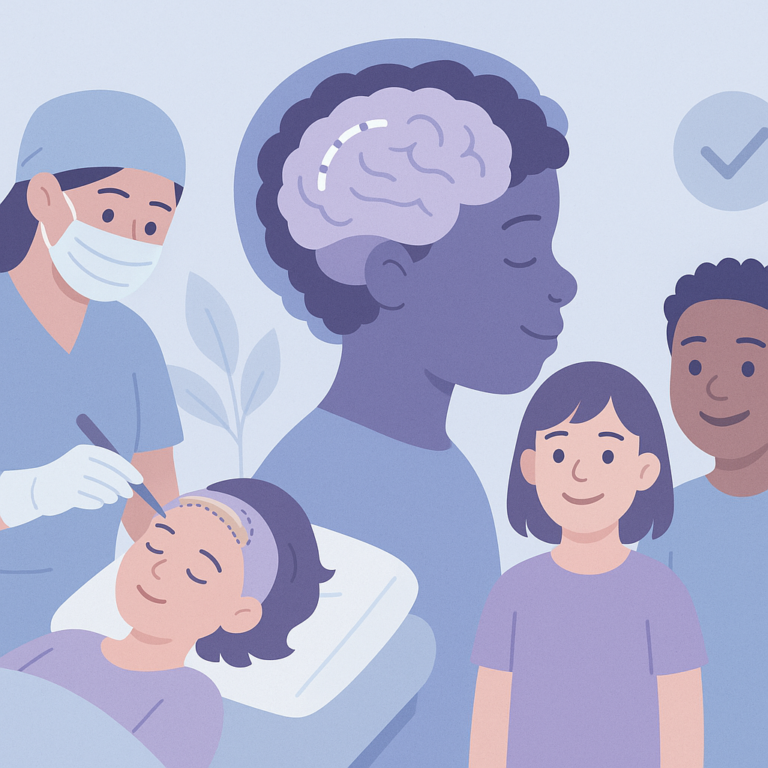
This study looked at the effects of epilepsy surgery on children and teenagers who have epilepsy that does not respond to medication.