Skip to content

Epilepsy Explained 💜

  • Home
  • About
  • Epilepsy Newsletter
  • TopicsExpand
    • Free Seizure First Aid Printable
    • All Recent Summaries
    • Comorbidities
    • Devices & Neuromodulation
    • Drug-Resistant Epilepsy
    • Genetics
    • Imaging & EEG
    • Ketogenic Diet
    • Lifestyle & Sleep
    • Pediatrics
    • Pregnancy
    • Safety & First Aid
    • Status Epilepticus
    • SUDEP
  • Privacy Policy
Epilepsy Explained 💜
  • Missing Doses of Medications Rarely Raise Seizure Risk – illustration
    Drug-Resistant Epilepsy | Epilepsy Research Summaries | New Studies

    Missing Doses of Medications Rarely Raise Seizure Risk

    January 5, 2026January 5, 2026

    This study looked at whether missing doses of anti-seizure medications (ASMs) affects the short-term risk of seizures in adults with drug-resistant epilepsy, which means they have frequent seizures that are hard to control.

    Read More Missing Doses of Medications Rarely Raise Seizure RiskContinue

  • Understanding Dermoid Cysts in the Cavernous Sinus – illustration
    Epilepsy Research Summaries | New Studies

    Understanding Dermoid Cysts in the Cavernous Sinus

    January 5, 2026January 5, 2026

    A study was conducted to learn more about dermoid cysts located in the cavernous sinus, which is a space at the base of the skull.
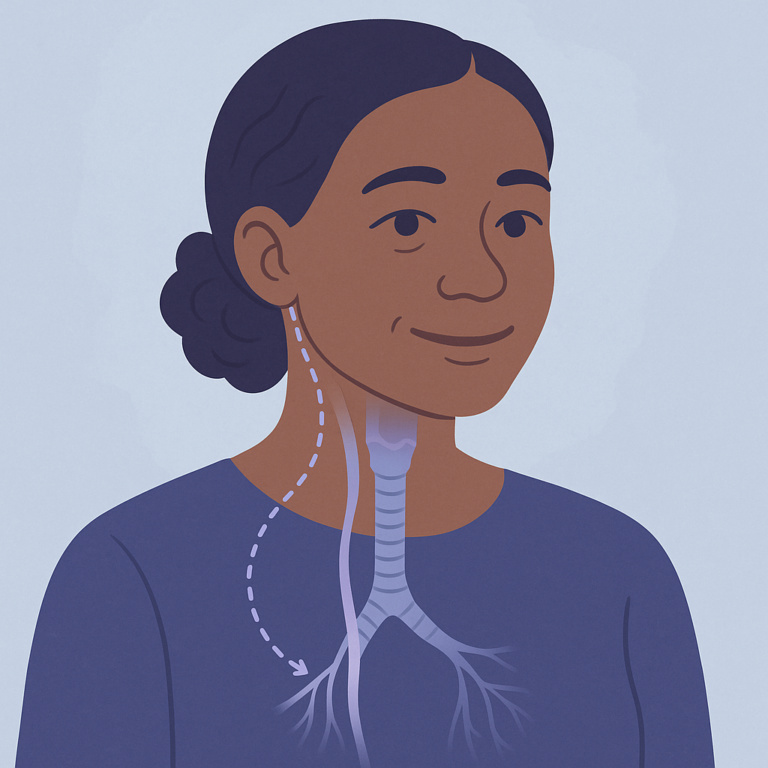
    Read More Understanding Dermoid Cysts in the Cavernous SinusContinue

  • Rare Horner Syndrome Linked to Vagus Nerve Stimulation Surgery – illustration
    Drug-Resistant Epilepsy | Epilepsy Research Summaries | Genetics | New Studies | Pediatrics | Status Epilepticus

    Rare Horner Syndrome Linked to Vagus Nerve Stimulation Surgery

    January 5, 2026January 5, 2026

    This study looked at a rare complication called Horner syndrome that can occur after vagus nerve stimulation (VNS) surgery, which is a treatment for epilepsy that doesn’t respond to medication.

    Read More Rare Horner Syndrome Linked to Vagus Nerve Stimulation SurgeryContinue

  • New Advances in Epilepsy Research Using Spatial Transcriptomics – illustration
    Epilepsy Research Summaries | New Studies

    New Advances in Epilepsy Research Using Spatial Transcriptomics

    January 4, 2026January 4, 2026

    Researchers studied how spatial transcriptomics, a new technique that looks at gene activity in specific areas of brain tissue, can help us understand epilepsy better.

    Read More New Advances in Epilepsy Research Using Spatial TranscriptomicsContinue

  • Understanding Seizure Timing for Better Epilepsy Care – illustration
    Devices & Neuromodulation | Epilepsy Research Summaries | Genetics | New Studies

    Understanding Seizure Timing for Better Epilepsy Care

    January 4, 2026January 4, 2026

    Researchers studied how the timing of biological rhythms affects seizures in people with epilepsy.

    Read More Understanding Seizure Timing for Better Epilepsy CareContinue

  • Growth in Research on Developmental and Epileptic Encephalopathies – illustration
    Epilepsy Research Summaries | Genetics | New Studies

    Growth in Research on Developmental and Epileptic Encephalopathies

    January 4, 2026January 4, 2026

    This study looked at research on developmental and epileptic encephalopathies (DEE) and genes from 2001 to 2025.

    Read More Growth in Research on Developmental and Epileptic EncephalopathiesContinue

  • Deep Brain Stimulation Improves Seizures in Teen with Epilepsy – illustration
    Devices & Neuromodulation | Drug-Resistant Epilepsy | Epilepsy Research Summaries | Genetics | New Studies | Pediatrics

    Deep Brain Stimulation Improves Seizures in Teen with Epilepsy

    January 3, 2026January 3, 2026

    A study was conducted on a 16-year-old patient with drug-resistant epilepsy (DRE), which means their seizures did not respond to standard treatments.

    Read More Deep Brain Stimulation Improves Seizures in Teen with EpilepsyContinue

  • Lidocaine Shows Promise for Treating Pediatric FIRES Seizures – illustration
    Epilepsy Research Summaries | Genetics | Ketogenic Diet | New Studies | Pediatrics | Status Epilepticus

    Lidocaine Shows Promise for Treating Pediatric FIRES Seizures

    January 3, 2026January 3, 2026

    Researchers studied a 5-year-and-11-month-old boy who developed a severe form of epilepsy called febrile infection-related epilepsy syndrome (FIRES) after a fever.

    Read More Lidocaine Shows Promise for Treating Pediatric FIRES SeizuresContinue

  • Most Children With Neonatal Seizures Develop Typically by Age 6 – illustration
    Comorbidities | Epilepsy Research Summaries | New Studies | Pediatrics

    Most Children With Neonatal Seizures Develop Typically by Age 6

    January 3, 2026January 3, 2026

    This study looked at how children aged 5 to 6 years who had neonatal seizures (seizures that occur in newborns due to a specific cause) develop over time.

    Read More Most Children With Neonatal Seizures Develop Typically by Age 6Continue

Page navigation

Previous PagePrevious 1 … 17 18 19 20 21 … 77 Next PageNext
Get the Free Seizure First Aid Guide

One email/week. No spam.

EpilepsyExplained.com - Plain-language epilepsy research for families. No medical advice.
  • About
  • Contact
  • Newsletter
  • Privacy Policy
Facebook bluesky logo

© 2026 Epilepsy Explained 💜 - WordPress Theme by Kadence WP

A portion of revenue is donated to epilepsy charities.

  • Home
  • About
  • Epilepsy Newsletter
  • Topics
    • Free Seizure First Aid Printable
    • All Recent Summaries
    • Comorbidities
    • Devices & Neuromodulation
    • Drug-Resistant Epilepsy
    • Genetics
    • Imaging & EEG
    • Ketogenic Diet
    • Lifestyle & Sleep
    • Pediatrics
    • Pregnancy
    • Safety & First Aid
    • Status Epilepticus
    • SUDEP
  • Privacy Policy