Madrid Plan Speeds Emergency Care For Severe Seizures
Source: Anales de pediatria
Summary
What was studied
This paper describes the Urgent Epileptic Seizures Care Process in the Community of Madrid for severe epileptic seizures, also called the "Seizure Code." It is intended for both children and adults.
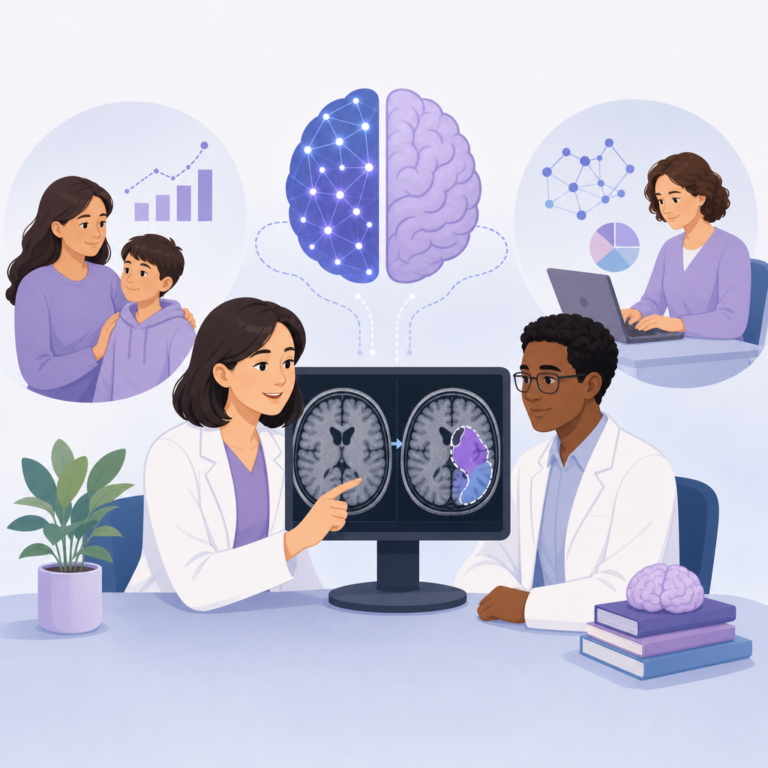
The report explains how the process was developed rather than reporting a patient trial. A multidisciplinary group, including professionals in emergency medicine, intensive care, neurophysiology, pediatric neurology, and primary care, developed a standardized plan for diagnosis, treatment, and follow-up across levels of care.
What they found
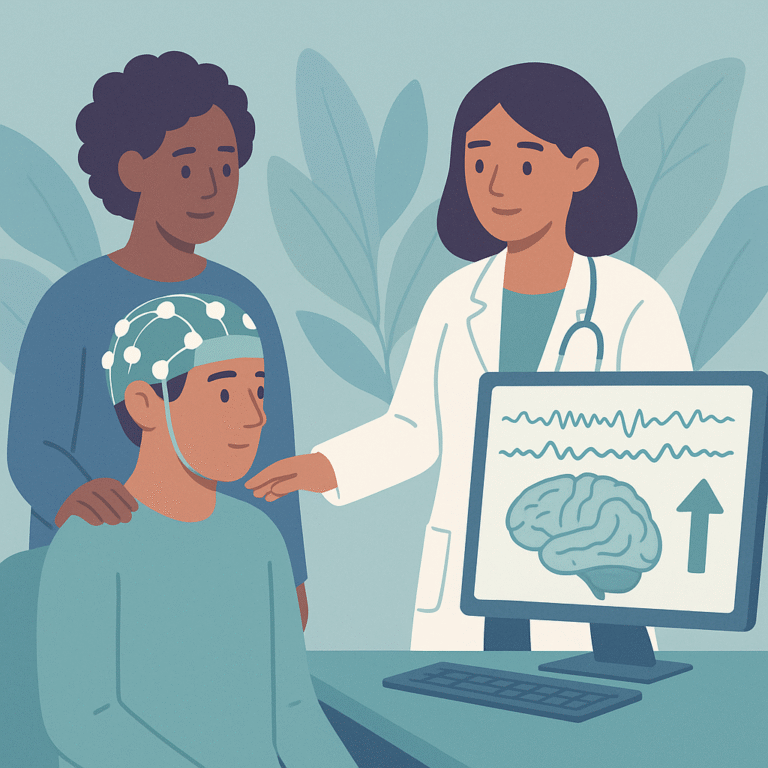
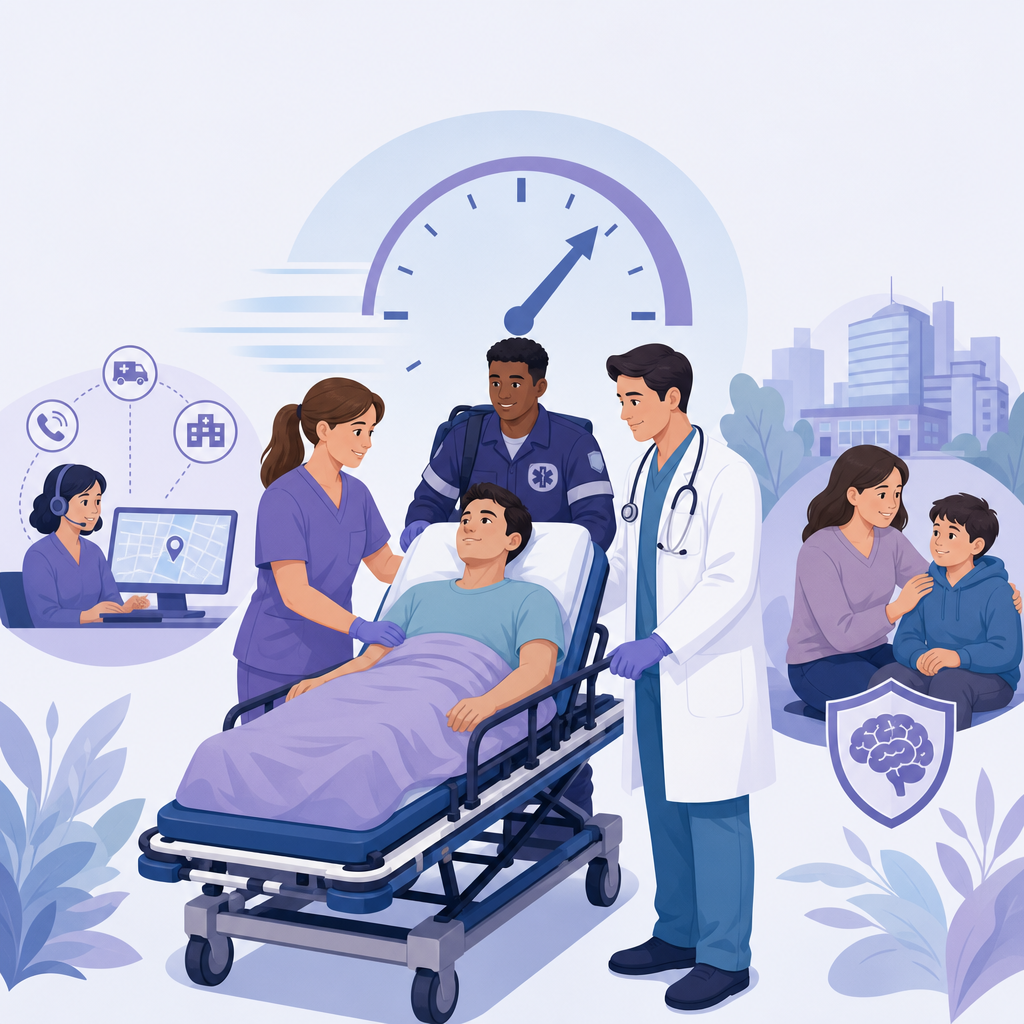
The paper says the Seizure Code sets operational criteria for activation and provides management algorithms for different clinical settings. It includes intervention times, early and systematic use of benzodiazepines, early combination therapy with antiseizure medications, early use of EEG, and strategies to improve coordination between levels of care.
The authors describe it as the first comprehensive model implemented in a Spanish autonomous community for urgent management of severe seizures. They say its design promotes an earlier, more homogeneous, and evidence-based response, with particular impact on the pediatric population.
Limits of the evidence
This abstract does not report patient outcome data. It does not show whether the Seizure Code changed seizure duration, complications, hospital stays, or deaths.
Because this is mainly a description of a care pathway, it cannot show from this abstract that the program works better than usual care. The abstract also does not give numbers of patients, details on implementation in practice, or results from long-term evaluation.
For families and caregivers
For families, this may matter because severe seizures can be frightening, and a clear emergency plan may help hospitals and clinics respond in a more standardized and coordinated way. The process also mentions training for health care professionals and families.
Still, this abstract is about how the system was organized, not proof of better health outcomes. Families may want to ask whether their local hospital or emergency team uses a similar seizure protocol and what the emergency plan is for their child or family member.
What to watch next
Useful next studies would assess patient outcomes and implementation after the Seizure Code was introduced, including in children.
Terms in this summary
- benzodiazepines
- Medicines often used early to try to stop an active seizure quickly.
- antiseizure medications
- Medicines used to treat or help control seizures.
- EEG
- A test that records the brain's electrical activity and can help doctors assess seizures.
- multidisciplinary
- Involving professionals from different medical specialties working together.
Free: Seizure First Aid Quick Guide (PDF)
Plus one plain-language weekly digest of new epilepsy research.
Unsubscribe anytime. No medical advice.