New EEG Test May Help Predict Outcomes for Infants with Epileptic Spasms
Summary
**New EEG Test May Help Predict Outcomes for Infants with Epileptic Spasms**
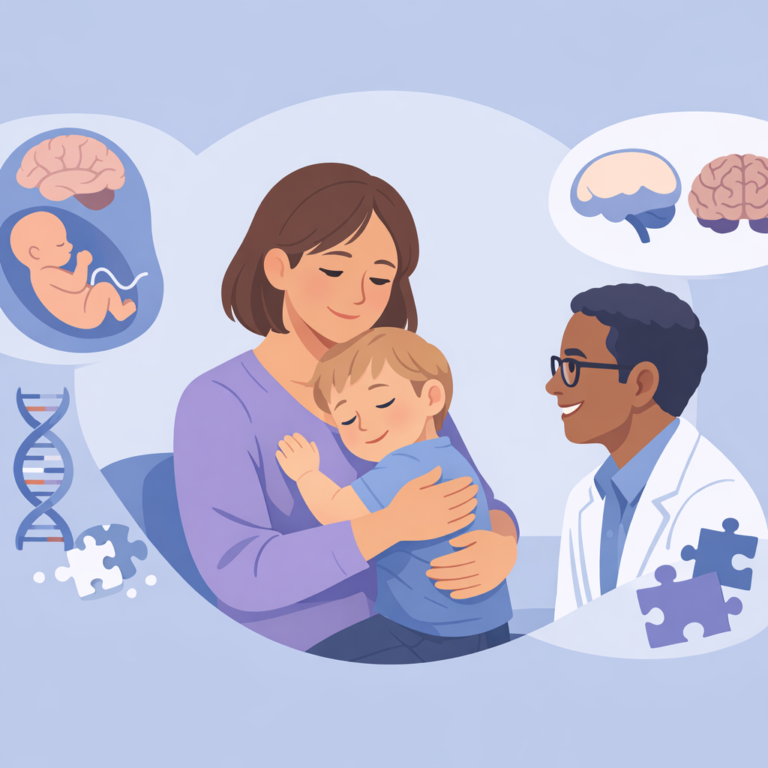
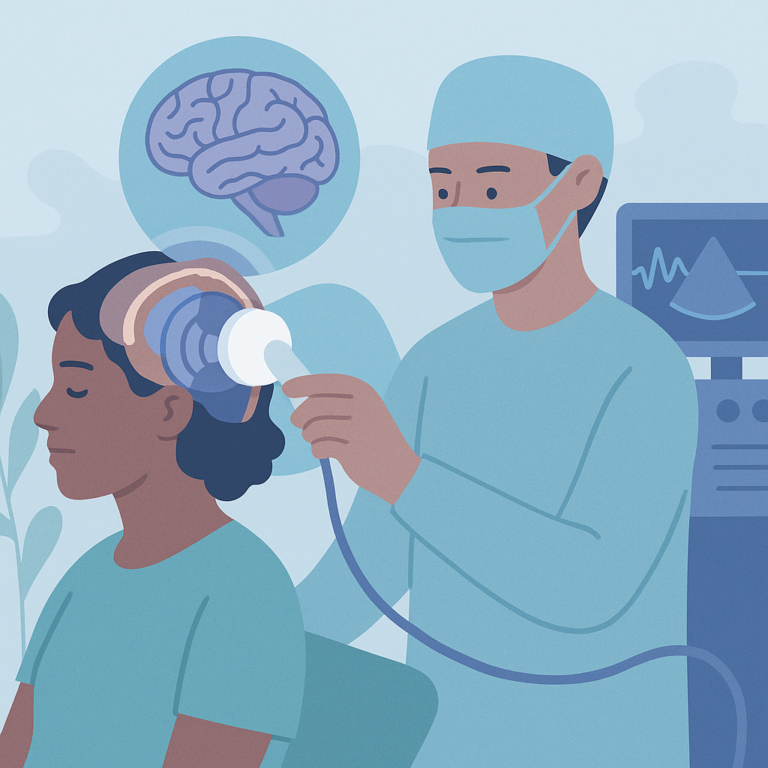
This study explored a new way to predict how infants with infantile epileptic spasms syndrome (IESS) might respond to treatment. Researchers looked at brain wave patterns from EEG tests before treatment in 45 infants. They focused on a specific measure called Alpha-ERSP, which showed promising results.
Key findings revealed that higher Alpha-ERSP values were linked to better outcomes. Infants with higher scores were more likely to experience freedom from spasms, have manageable epilepsy, and show good development. For example, an Alpha-ERSP score above 4.343 was a strong indicator of spasm freedom.
Why does this matter? Understanding which infants are more likely to respond well to treatment can help doctors make better decisions and tailor care to each child’s needs. It also offers hope to families, as knowing the potential outcomes can ease some uncertainty.
For families today, this research suggests that EEG tests could become a valuable tool in predicting how their child might respond to treatment for IESS. While this is still early research, it highlights the importance of EEG analysis in managing epilepsy and improving children’s futures.
Original study: Read on PubMed
Free: Seizure First Aid Quick Guide (PDF)
Plus one plain-language weekly digest of new epilepsy research.
Unsubscribe anytime. No medical advice.