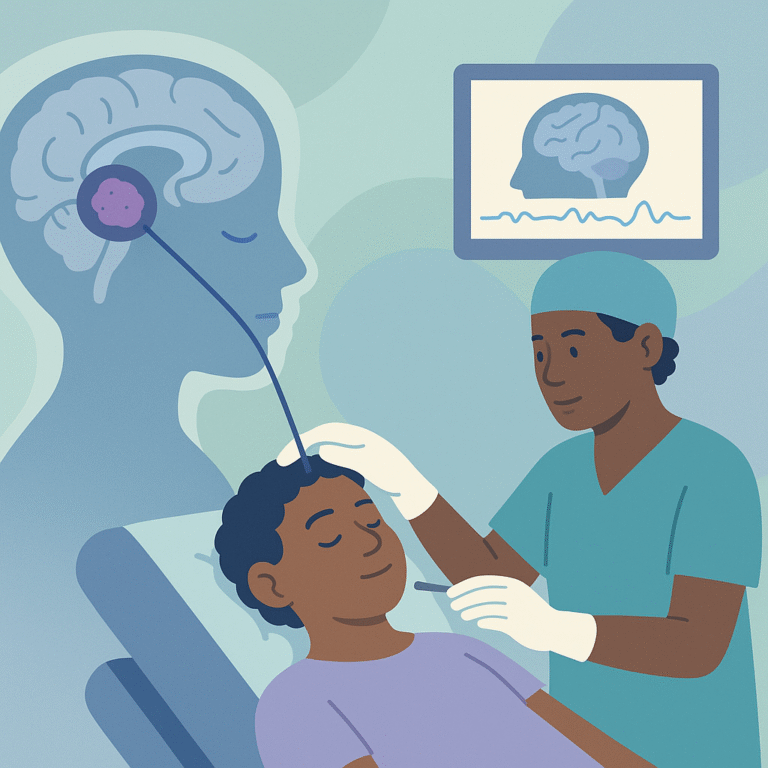
Supporting Self-Determination in Individuals with Epilepsy and ID
Source: Epilepsy & behavior : E&B
Summary
This study looked at how different people, including family members, support staff, and professionals, view and support self-determination in individuals with mild intellectual disabilities and drug-resistant epilepsy. Researchers gathered insights from 29 participants through online focus groups and individual interviews. They used a method called concept mapping to organize and analyze the ideas shared by these stakeholders.
The key findings revealed four main strategies for supporting self-determination: tailoring support to individual needs, building connections with the person, encouraging personal growth, and working together within the support network. Each group of participants highlighted different aspects of these strategies, showing that it is important to consider various viewpoints and maintain open communication about how to best support individuals with these challenges.
Understanding these findings is important because they can help improve the quality of life for people with mild intellectual disabilities and drug-resistant epilepsy. However, the study has limitations, such as the small number of participants and the need for more research to create practical guidelines for risk management. Future efforts should focus on collaborating with individuals and their families to enhance self-determination and overall well-being.
Free: Seizure First Aid Quick Guide (PDF)
Plus one plain-language weekly digest of new epilepsy research.
Unsubscribe anytime. No medical advice.