Better Sleep May Lower Dementia Risk In Focal Epilepsy
Source: Neurology
Summary
What was studied
The study looked at how sleep affects thinking and the risk of dementia in people with focal epilepsy. It included 482,207 participants aged 38 to 72 years, with some having focal epilepsy, some having had a stroke, and some being healthy controls. The researchers analyzed sleep patterns and cognitive function over time.
They specifically examined the effects of sleep duration, sleep disorders, and cognitive performance, comparing the results among those with focal epilepsy, stroke patients, and healthy individuals. The follow-up period lasted until 2021, allowing for a long-term view of the relationships between sleep and cognitive health.
What they found
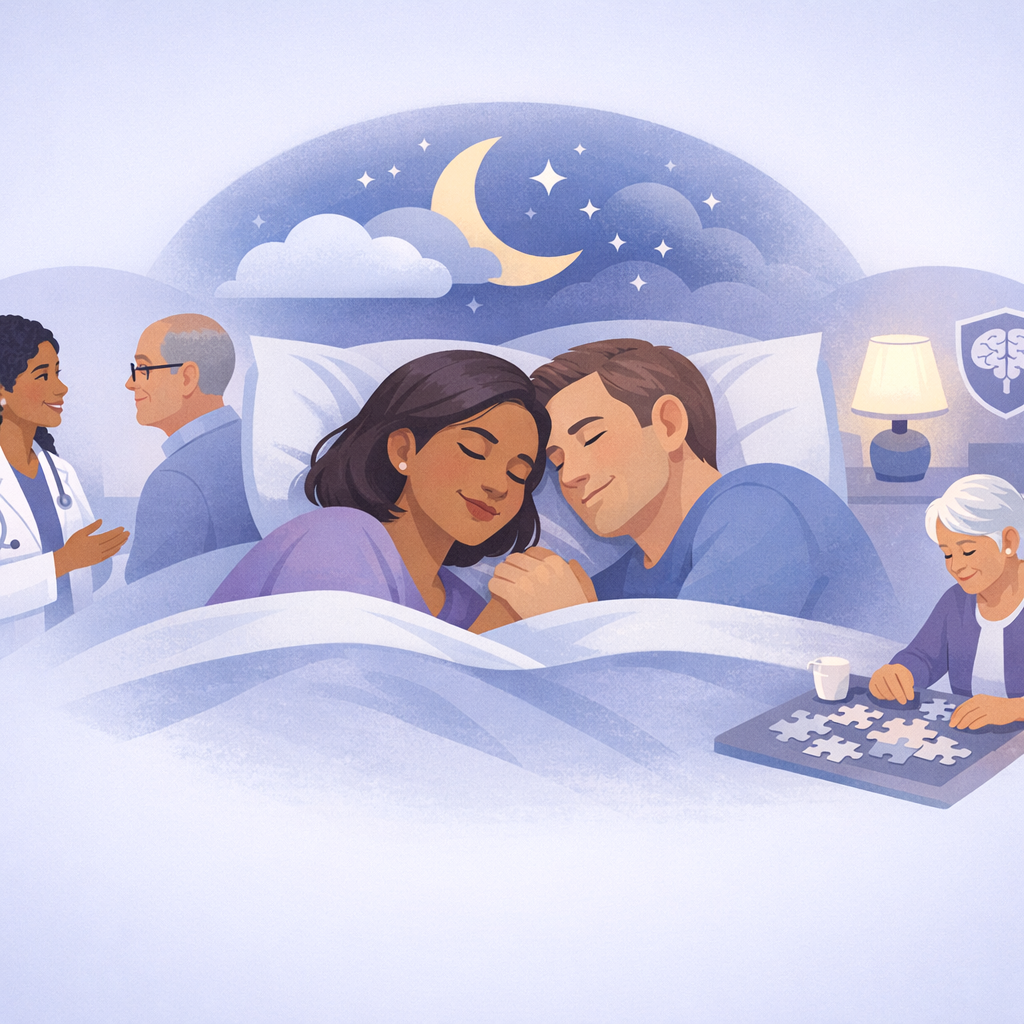
The study found that getting 6 to 8 hours of sleep was associated with better thinking skills in all groups. However, this effect was stronger in people with focal epilepsy. Those with focal epilepsy who had poor sleep were five times more likely to develop dementia compared to healthy individuals with good sleep. This risk was higher than that seen in stroke patients with poor sleep.
Limits of the evidence
The study cannot establish that improving sleep will definitely lower dementia risk, as it is based on self-reported sleep data. The participants were mostly middle-aged and older adults, so results may not apply to younger people or those with different types of epilepsy. Additionally, the study does not explore how to improve sleep or the long-term effects of sleep interventions.
For families and caregivers
This information may be important for families of individuals with focal epilepsy, as it suggests that better sleep could be linked to improved thinking skills and a lower risk of dementia. Understanding the link between sleep and cognitive health can guide discussions with healthcare providers about managing epilepsy.
What to watch next
Future studies could look into specific ways to improve sleep in people with focal epilepsy and how these changes might relate to dementia risk.
Free: Seizure First Aid Quick Guide (PDF)
Plus one plain-language weekly digest of new epilepsy research.
Unsubscribe anytime. No medical advice.