Epilepsy Memory Difficulties: What a Large U.S. Study Found
This explainer reviews what a U.S. survey study found about epilepsy memory difficulties in children and adults.
Source: ScienceDirect
Summary
What was studied
Researchers analyzed two large, nationally representative U.S. health surveys: the 2021–2023 National Health Interview Survey and the 2016–2023 National Survey of Children’s Health.
The study included 2,675 children and 1,570 adults with epilepsy, plus 217,579 children and 84,763 adults without epilepsy. Researchers compared reported problems with memory, concentration, and, for children, decision-making. Exploratory analyses considered epilepsy activity, seizure frequency, sleep health, physical activity, depression, anxiety, and children’s socialization.
What they found
After statistical adjustment, children with epilepsy had 7.3 times the odds of reported memory, concentration, or decision-making difficulty compared with children without epilepsy. Adults with epilepsy had 3.7 times the odds of reported memory or concentration difficulty compared with adults without epilepsy.
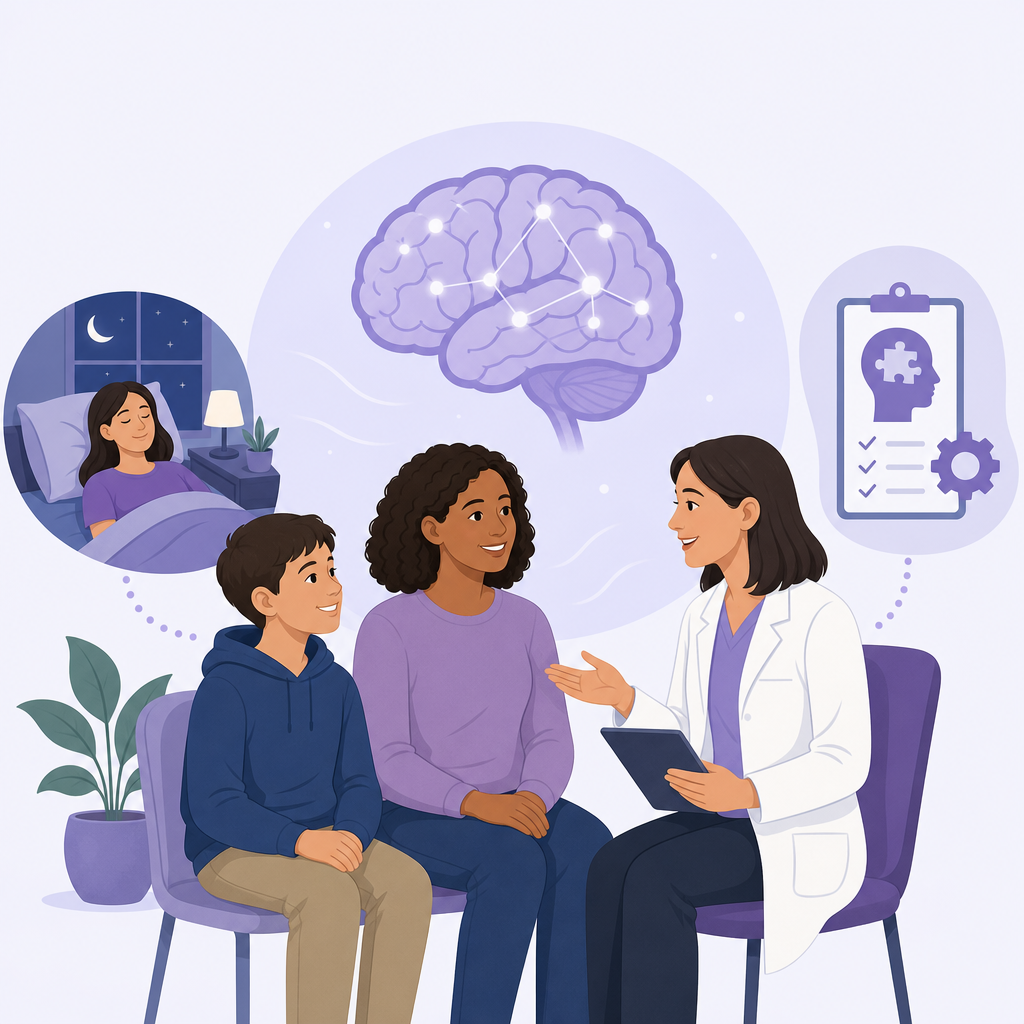
Odds of difficulty were higher among people with active epilepsy. Worse sleep health was associated with reported memory or concentration difficulties in both children and adults with epilepsy. These findings concern odds and do not show the percentage of people experiencing each difficulty.
Limits of the evidence
This was a cross-sectional study, so it identified associations at a particular period rather than following people over time. It cannot establish that epilepsy caused the reported thinking difficulties, that poor sleep caused them, or that improving sleep would improve memory or concentration.
The difficulties were subjectively reported rather than established through formal cognitive testing. The abstract does not provide definitions of active and inactive epilepsy, details of all statistical adjustments, or exact percentages of participants reporting difficulties.
For families and caregivers
The findings suggest that reported memory, attention, and decision-making difficulties are important concerns in children and adults with epilepsy, with higher odds among those with active epilepsy. Sleep health may be relevant, but this study does not establish cause and effect. Families may wish to discuss noticeable thinking or sleep difficulties with the person’s healthcare or school support team so they can be considered in context.
What to watch next
Future longitudinal studies using formal cognitive testing and detailed information about sleep, seizures, physical activity, depression, anxiety, and other relevant factors could help clarify these associations.
Terms in this summary
- executive function
- Mental skills involved in focusing attention, planning, organizing, controlling impulses, and making decisions.
- subjective difficulty
- A problem reported by a person or survey respondent rather than measured with a formal performance test.
- odds ratio
- A comparison of the odds of an outcome between groups; it is not the same as saying the outcome is that many times more common.
- cross-sectional study
- A study that examines information from a particular period and can identify associations but cannot establish cause and effect.
- survey-weighted analysis
- A statistical method that accounts for a survey’s design so results better represent the population studied.
PubMed abstract used to verify this summary
Free: Seizure First Aid Quick Guide (PDF)
Plus one plain-language weekly digest of new epilepsy research.
Unsubscribe anytime. No medical advice.