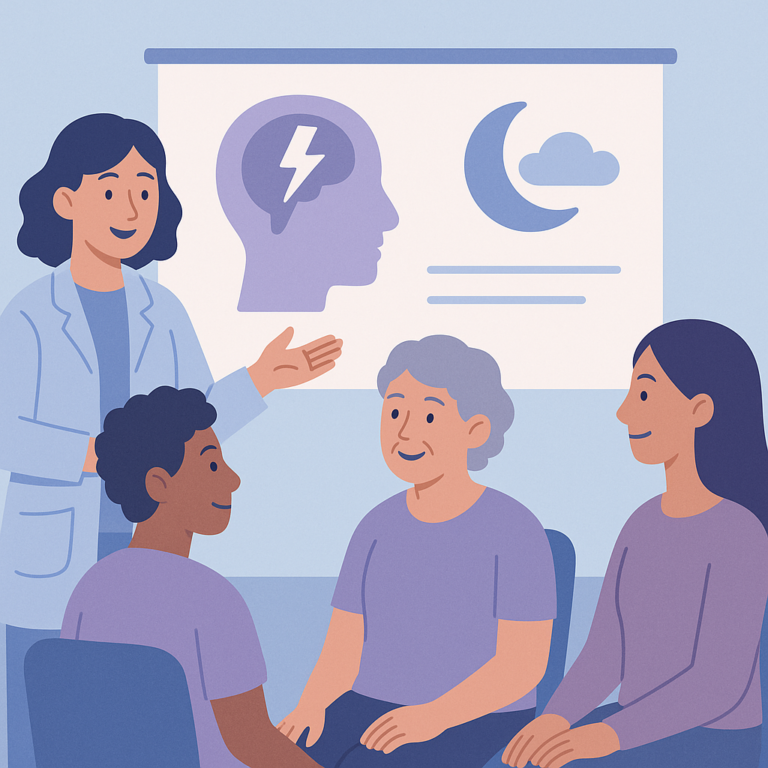
Comorbidities

This hub covers epilepsy comorbidities, which are the other conditions that often show up alongside seizures (like ADHD, anxiety, depression, autism, and sleep issues). Plain-language research takeaways for families.

What you’ll find in this topic:

  • Plain-language summaries of new epilepsy studies
  • What the research means for real life
  • Practical questions to ask your neurologist
  • Related topics you can explore next

Epilepsy Comorbidities: What Families Usually Want to Know

  • Why conditions like ADHD, anxiety, depression, and sleep problems are common
  • How meds and seizures can affect mood, attention, and learning
  • What to bring up at appointments (and what screening is normal)
  • When to involve behavioral health, neuropsychology, or school supports

Common Comorbidity Terms in Plain English

  • Neuropsych testing: a detailed profile of learning, attention, memory
  • Mood disorder: ongoing depression/anxiety symptoms affecting daily life
  • Executive function: planning, starting tasks, organization, impulse control
  • Sleep disorder: trouble falling/staying asleep or poor-quality sleep
  • Medication side effects: cognitive/mood changes that may be adjustable

Epilepsy Comorbidities FAQ

Are these โ€œseparate problemsโ€ or part of epilepsy?

Often both. Shared brain networks, stress, sleep disruption, and medication effects can all contribute.

How do we tell side effects from the condition itself?

Track timing: New symptoms after med changes or dose increases may point to side effects.

Should we ask for neuropsych testing?

If school is hard, attention/memory changes, or thereโ€™s concern about learning, yes, it can guide supports.

Can treating anxiety/sleep help seizures?

Sometimes. Improving sleep and stress can reduce seizure susceptibility in some people.