Low-Frequency Ultrasonic Stimulation May Help Balance Autonomic Nervous System
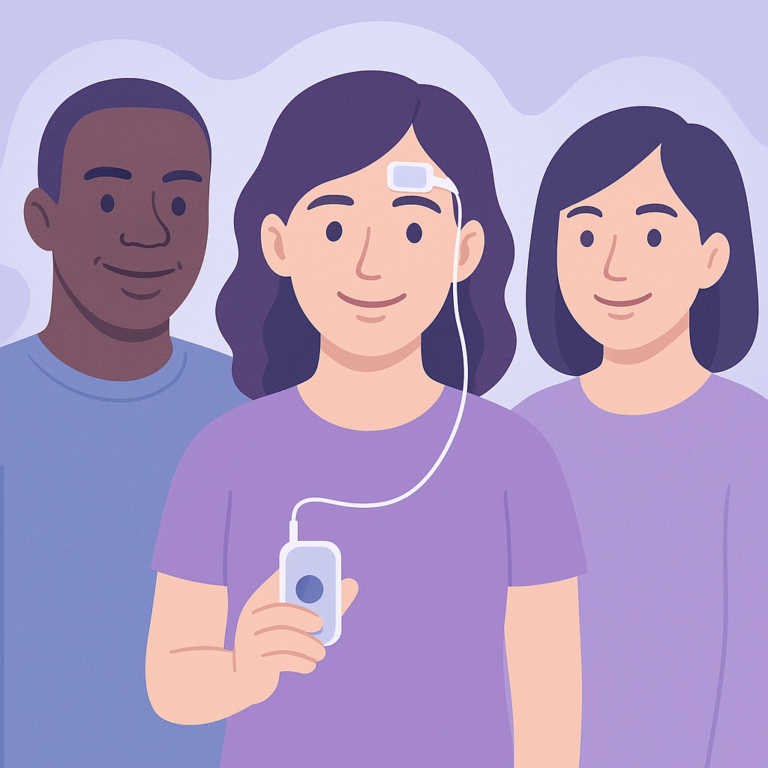
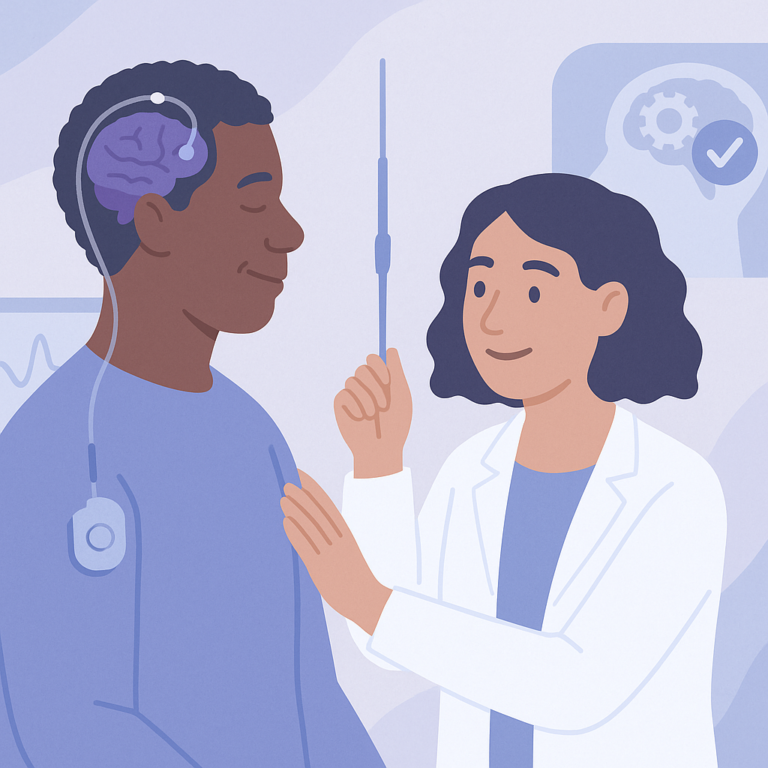
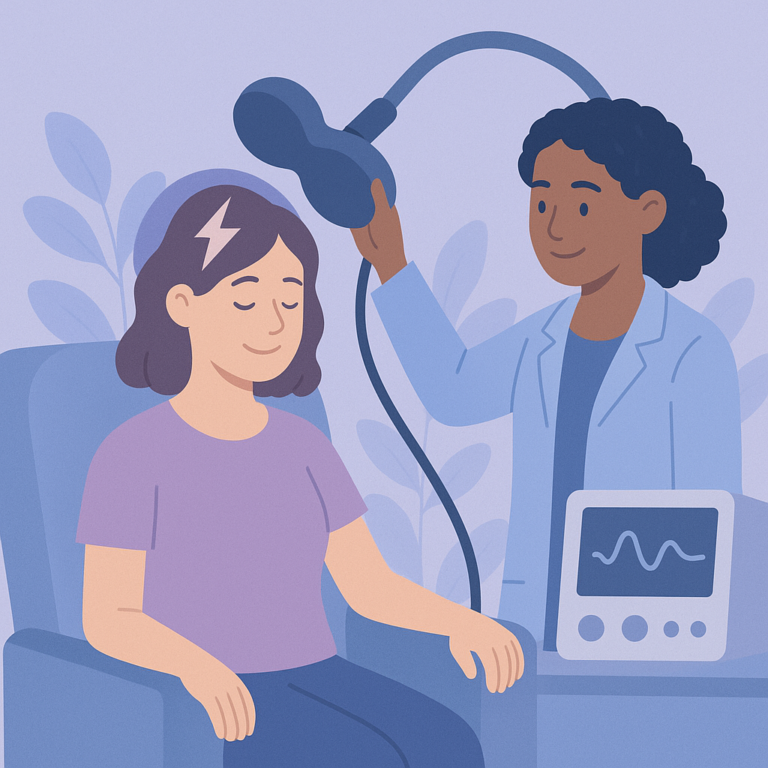
This study looked at a new way to stimulate nerves without touching the skin, using sound waves.
This hub covers epilepsy comorbidities, which are the other conditions that often show up alongside seizures (like ADHD, anxiety, depression, autism, and sleep issues). Plain-language research takeaways for families.
Often both. Shared brain networks, stress, sleep disruption, and medication effects can all contribute.
Track timing: New symptoms after med changes or dose increases may point to side effects.
If school is hard, attention/memory changes, or there’s concern about learning, yes, it can guide supports.
Sometimes. Improving sleep and stress can reduce seizure susceptibility in some people.
This study looked at a new way to stimulate nerves without touching the skin, using sound waves.
This study focused on people in Martinique who experienced status epilepticus (SE), a serious condition where seizures last too long or occur repeatedly without recovery.
Researchers studied sexual dysfunction (SD) in people with epilepsy (PWE) to understand how common it is and what factors contribute to it.
This study focused on children with Tuberous Sclerosis Complex (TSC), a genetic condition that can cause various health issues, including tumors in different organs and early-onset epilepsy.
This study focused on adults with idiopathic generalized epilepsy (IGE), a type of epilepsy that can cause seizures without a clear cause.
Researchers studied the effects of daily intermittent fasting (IF) on mice with absence epilepsy, a type of epilepsy that causes brief seizures and loss of consciousness.
Researchers studied CDKL5 deficiency disorder (CDD), a rare condition that causes severe developmental and epileptic challenges in individuals.
Researchers studied the indirect costs and burdens faced by families caring for children with severe epilepsy disorders known as developmental epileptic encephalopathies (DEE).
Researchers are studying a condition called Cyclin-dependent kinase-like 5 deficiency disorder (CDD), which affects children and causes severe epilepsy, developmental delays, and other challenges.