Improving Depression Care for Adults with Epilepsy in China
A recent study looked at how depression is diagnosed and treated in adults with epilepsy in China.
This hub covers epilepsy comorbidities, which are the other conditions that often show up alongside seizures (like ADHD, anxiety, depression, autism, and sleep issues). Plain-language research takeaways for families.
Often both. Shared brain networks, stress, sleep disruption, and medication effects can all contribute.
Track timing: New symptoms after med changes or dose increases may point to side effects.
If school is hard, attention/memory changes, or there’s concern about learning, yes, it can guide supports.
Sometimes. Improving sleep and stress can reduce seizure susceptibility in some people.

A recent study looked at how depression is diagnosed and treated in adults with epilepsy in China.
Researchers studied the development of clinical practice guidelines (CPGs) and consensus-based recommendations (CBRs) for managing epilepsy.

Researchers studied the impact of achieving one year of seizure freedom on the risk of premature death among people with epilepsy living in rural Henan, China.
Researchers studied pediatric autoimmune encephalitis-associated epilepsy (AEAE), which is a type of epilepsy linked to problems in the immune system.
Researchers studied how epilepsy affects heart and bone health, focusing on people with epilepsy and the medications they take to control seizures.
Researchers studied how well two different questionnaires, the Generalized Anxiety Disorder-2 (GAD-2) and the Generalized Anxiety Disorder-7 (GAD-7), can identify anxiety symptoms in children who have headaches or epilepsy.
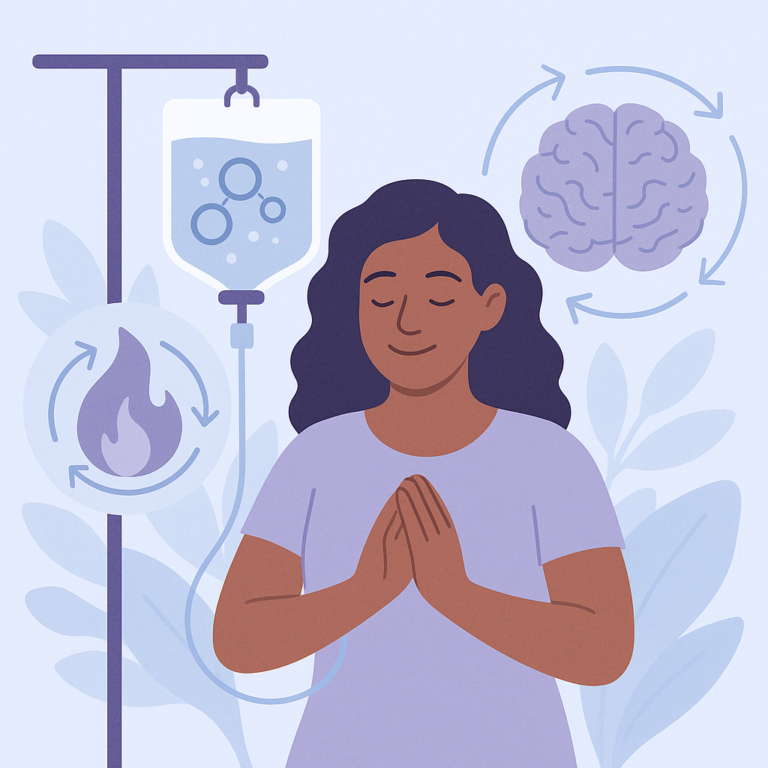
This study looked at how ozone therapy affects male rats that have developed post-traumatic epilepsy (PTE) after a brain injury.
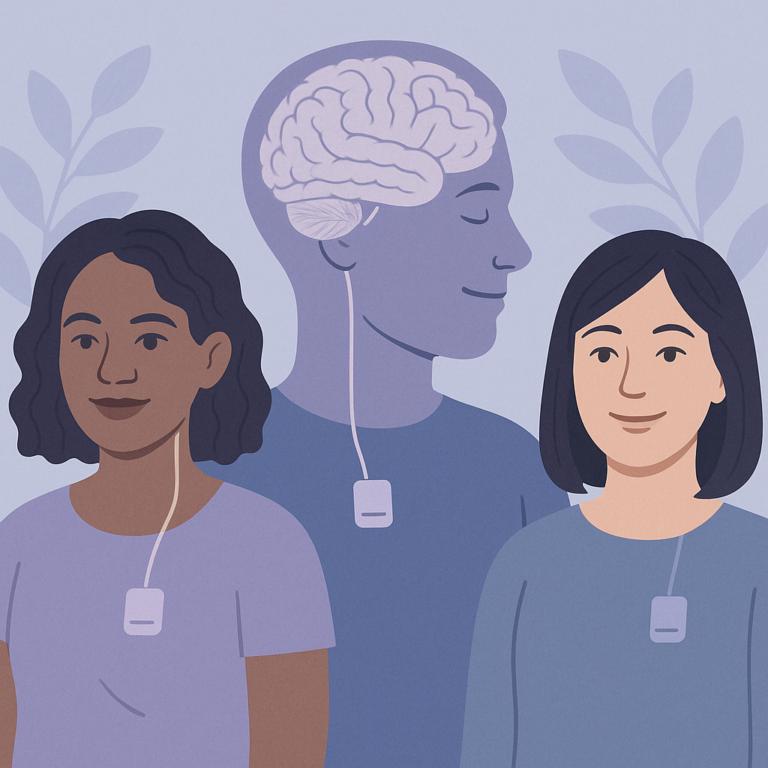
Researchers studied the effects of transcutaneous auricular vagus nerve stimulation (taVNS) on cognitive deficits in people with neuropsychiatric disorders, including epilepsy, depression, and headaches.
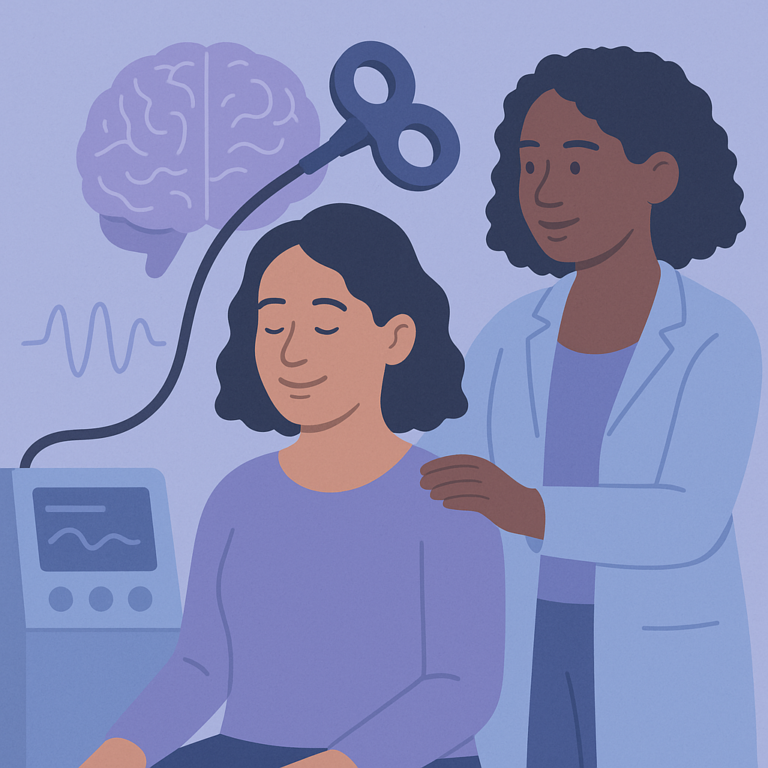
This study looked at how low-frequency repetitive transcranial magnetic stimulation (LF-rTMS) affects cognitive function and epileptiform discharges in people with epilepsy.