New Auditory Stimulation Improves Sleep and Cognition in Kids with Epilepsy
Researchers studied a new method to improve sleep in children with epilepsy, focusing on 27 kids who were undergoing monitoring for their seizures.
This hub covers epilepsy comorbidities, which are the other conditions that often show up alongside seizures (like ADHD, anxiety, depression, autism, and sleep issues). Plain-language research takeaways for families.
Often both. Shared brain networks, stress, sleep disruption, and medication effects can all contribute.
Track timing: New symptoms after med changes or dose increases may point to side effects.
If school is hard, attention/memory changes, or there’s concern about learning, yes, it can guide supports.
Sometimes. Improving sleep and stress can reduce seizure susceptibility in some people.
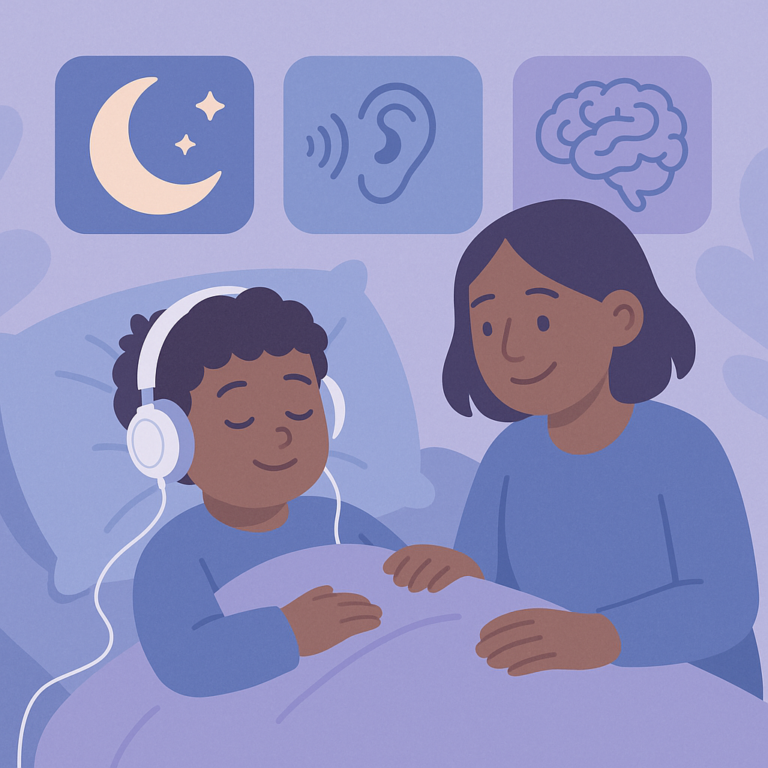
Researchers studied a new method to improve sleep in children with epilepsy, focusing on 27 kids who were undergoing monitoring for their seizures.
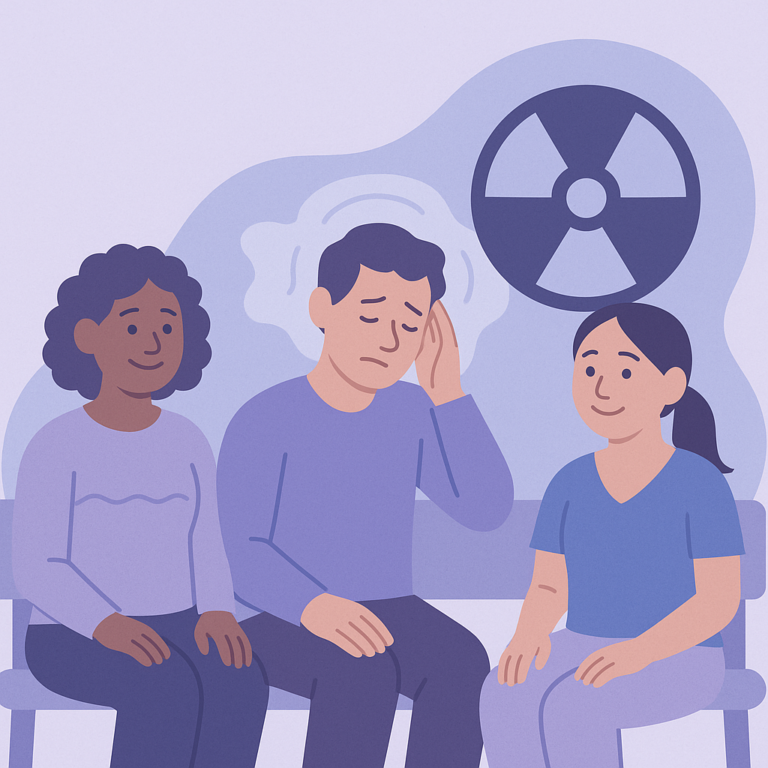
Researchers studied how sensitive people with epilepsy (PWE) are to radiation compared to healthy individuals and cancer patients.
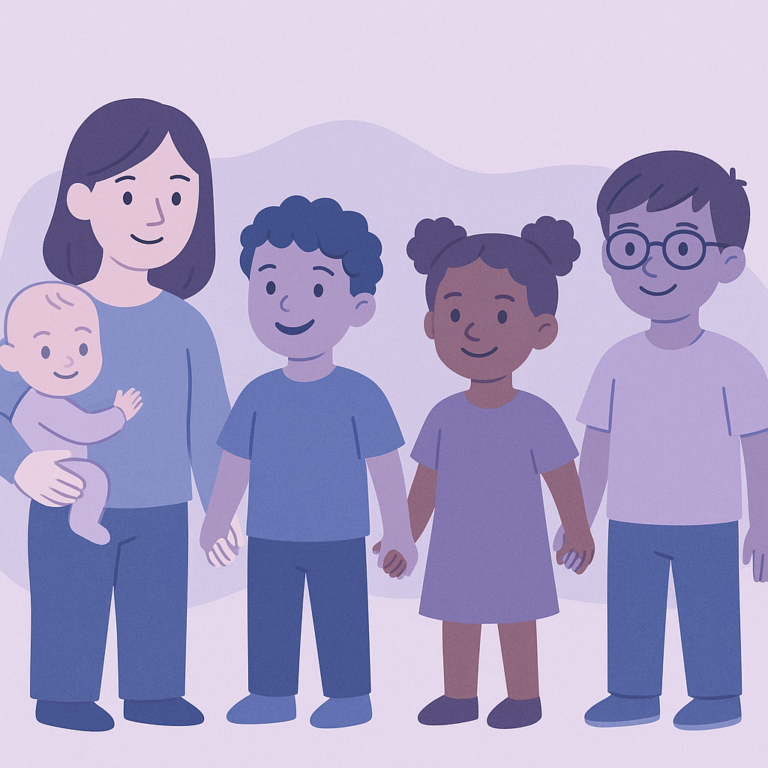
This study looked at how children aged 5 to 6 years who had neonatal seizures (seizures that occur in newborns due to a specific cause) develop over time.
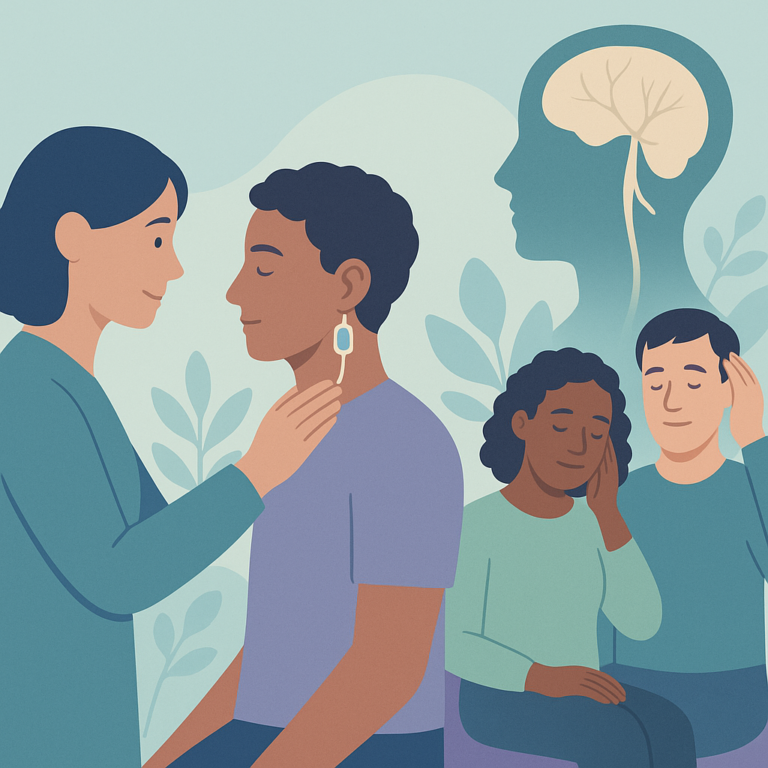
In this study, researchers looked at the effects of a treatment called transcutaneous auricular vagus nerve stimulation (taVNS) on patients who have both epilepsy and migraine.

Researchers studied how to treat seizures in newborns, particularly focusing on those who experience seizures shortly after birth.

This study looked at how well three different neuromodulation techniques—Vagus Nerve Stimulation (VNS), Responsive Neurostimulation (RNS), and Deep Brain Stimulation (DBS)—work for adults with refractory bitemporal lobe epilepsy (BTLE), which is a type of epilepsy that is hard to treat…

This study looked at how Finnish adolescents with epilepsy transition to adult healthcare.

This study looked at the genetic factors that might link migraine and epilepsy, two different neurological disorders that can occur together in some people.

Researchers studied how having both epilepsy and attention-deficit/hyperactivity disorder (ADHD) affects the thinking and learning abilities of children under 18 years old.