Brivaracetam May Be Safer Than Levetiracetam for Seizures
A study was conducted to compare two medications used to treat seizures: levetiracetam (LEV) and brivaracetam (BRV).
This hub covers epilepsy comorbidities, which are the other conditions that often show up alongside seizures (like ADHD, anxiety, depression, autism, and sleep issues). Plain-language research takeaways for families.
Often both. Shared brain networks, stress, sleep disruption, and medication effects can all contribute.
Track timing: New symptoms after med changes or dose increases may point to side effects.
If school is hard, attention/memory changes, or there’s concern about learning, yes, it can guide supports.
Sometimes. Improving sleep and stress can reduce seizure susceptibility in some people.
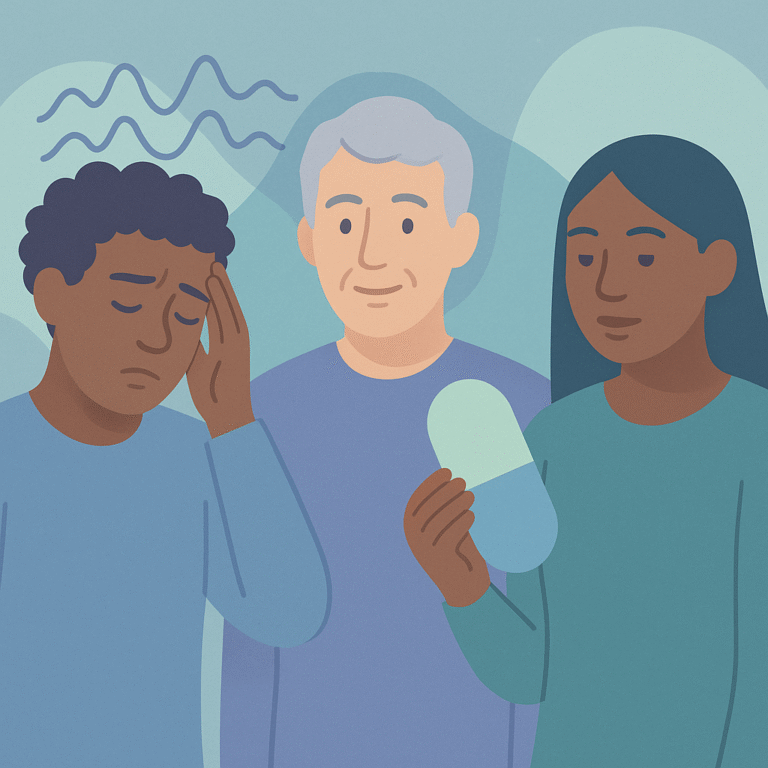
A study was conducted to compare two medications used to treat seizures: levetiracetam (LEV) and brivaracetam (BRV).
Researchers studied a type of epilepsy called self-limited epilepsy with centrotemporal spikes (SeLECTS) in 192 children.
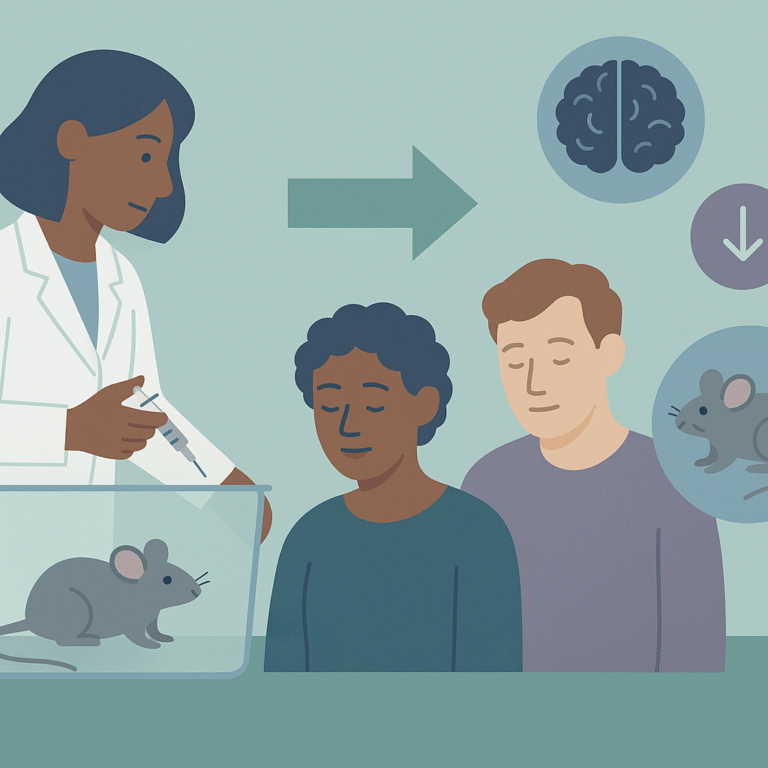
This study looked at how blocking a specific enzyme called kynurenine-3-monooxygenase (KMO) affects seizures, depression-like behaviors, and thinking abilities in mice with epilepsy.
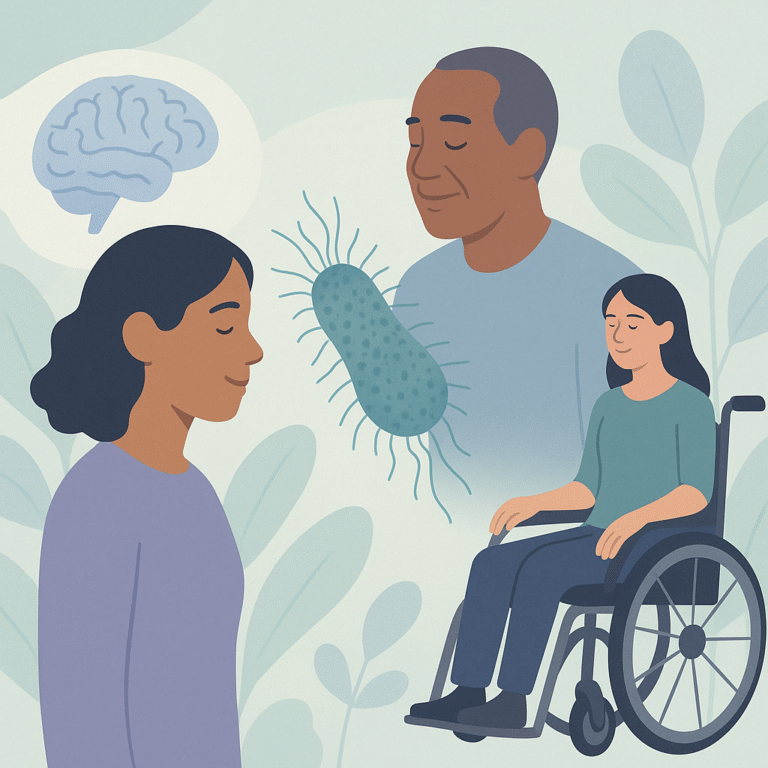
Researchers studied a type of beneficial bacteria called Akkermansia muciniphila (A.
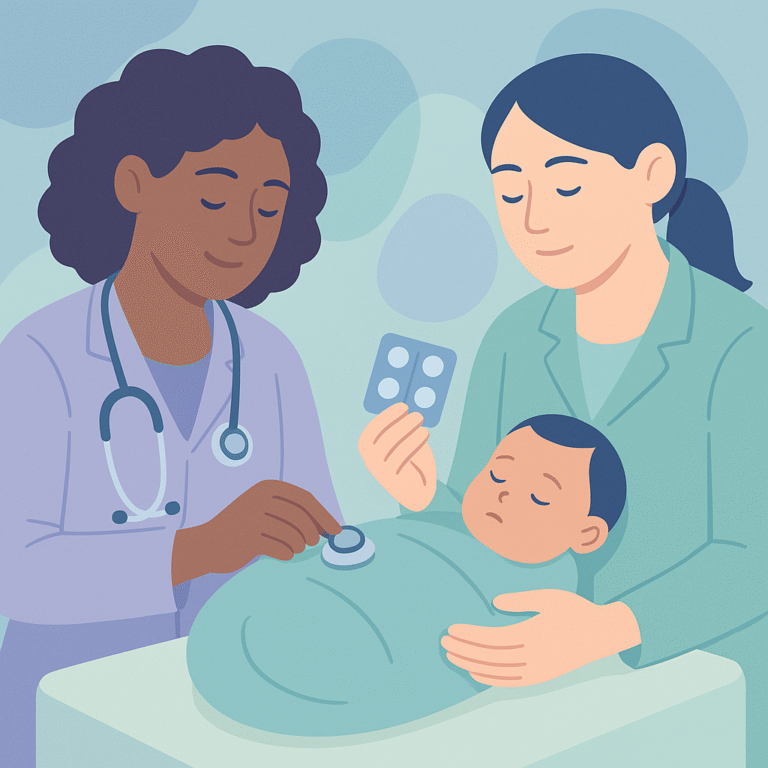
Researchers studied the effectiveness and safety of two medications, levetiracetam (LEV) and phenobarbital (PB), for treating seizures in newborns.

Researchers studied how much of a brain tumor called glioma should be removed during surgery.

This study looked at the long-term quality of life for people who survived a severe type of epilepsy called new onset refractory status epilepticus (NORSE), including a specific form known as febrile infection-related epilepsy syndrome (FIRES).
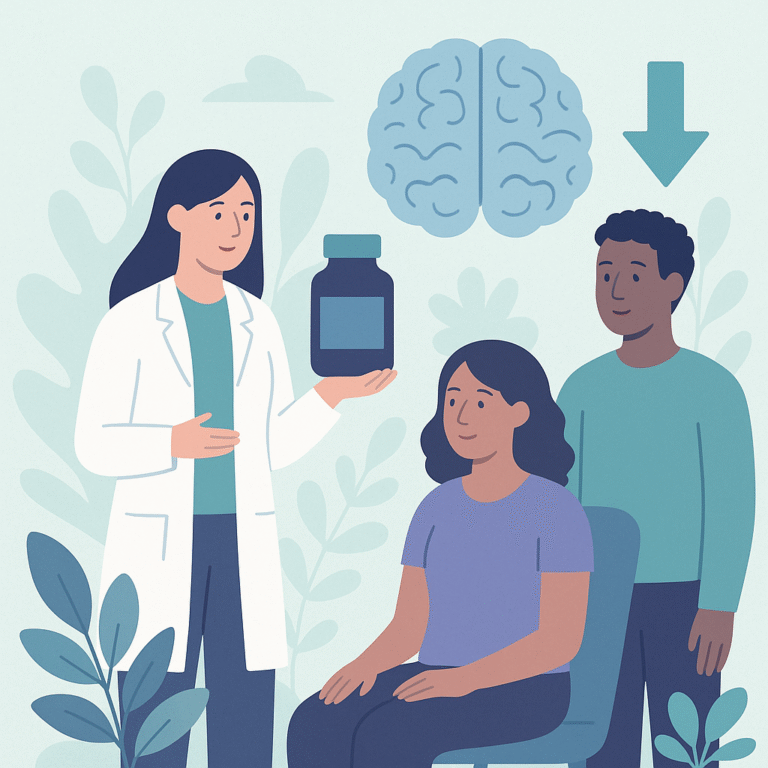
This study looked at the effects of a medication called mycophenolate mofetil (MMF) on patients with a serious condition known as anti-NMDA receptor encephalitis (NMDARE).

This study looked at the healthcare use and costs for people with drug-resistant epilepsy (DRE) who were enrolled in Medicaid and received a neurostimulator implant.