Seizure Frequency Reduces Over Time in Treatment-Resistant Epilepsy
A study was conducted to understand how seizure frequency changes over time in people with treatment-resistant focal epilepsy (FTRE).
This hub covers epilepsy devices and neuromodulation like VNS, RNS, and DBS, which are treatments that can reduce seizures when meds aren’t enough. Plain-language research summaries plus real-life pros/cons.
Some are used more often in adults, but pediatric use depends on the device, the case, and specialist guidance.
Often gradually. Improvement can build over months as settings are optimized.
Sometimes medication can be reduced, but many people still use meds alongside a device.
Sometimes yes, with device-specific rules. Always check the exact device guidelines first.
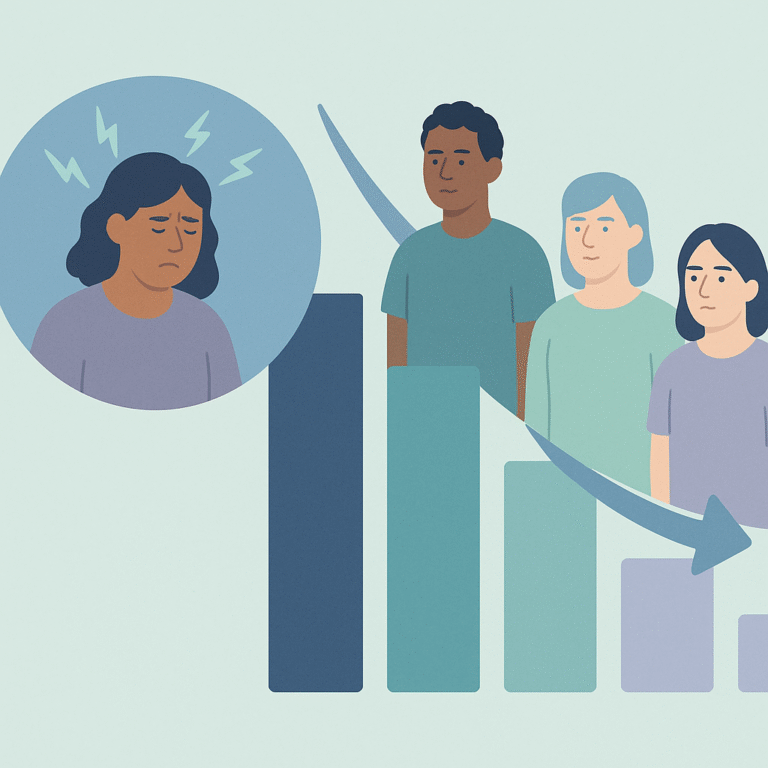
A study was conducted to understand how seizure frequency changes over time in people with treatment-resistant focal epilepsy (FTRE).
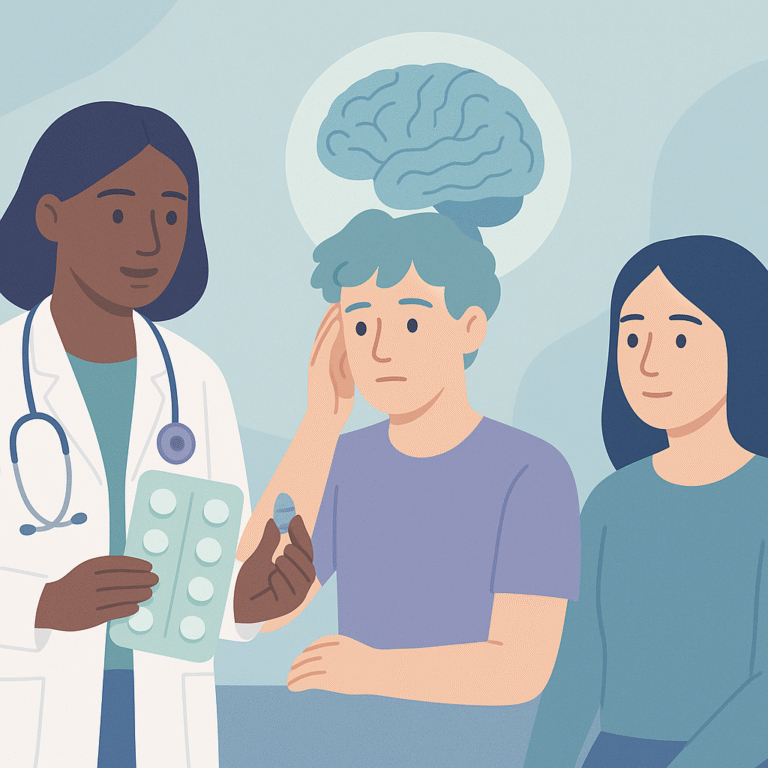
Researchers studied the effects of Ivermectin (IVM) on patients with drug-resistant epilepsy, which means their seizures are hard to control even with multiple medications.
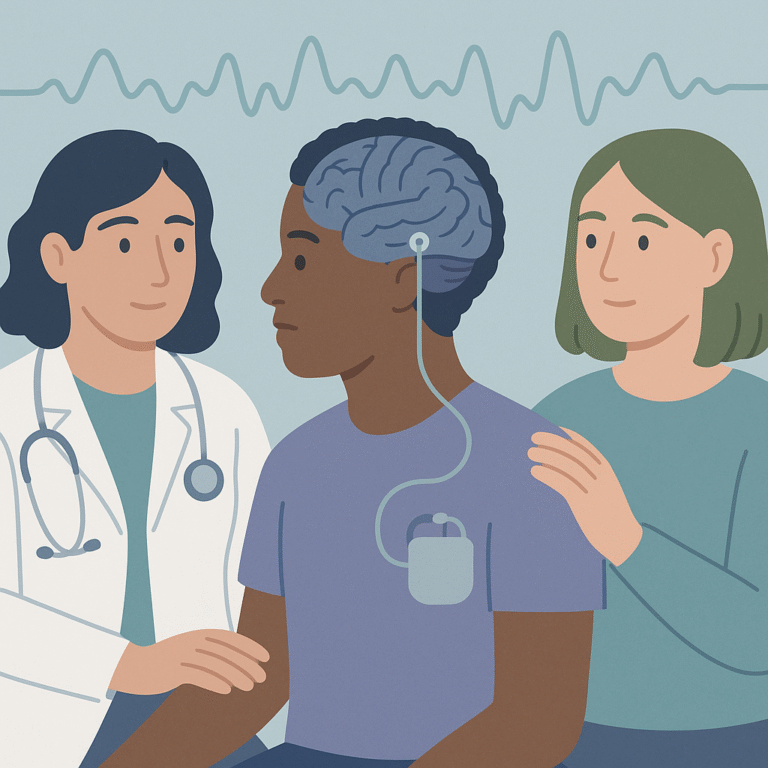
Researchers studied how deep brain stimulation (DBS) and responsive neurostimulation (RNS) can help people with drug-resistant epilepsy (DRE), which is epilepsy that doesn’t respond to medications.
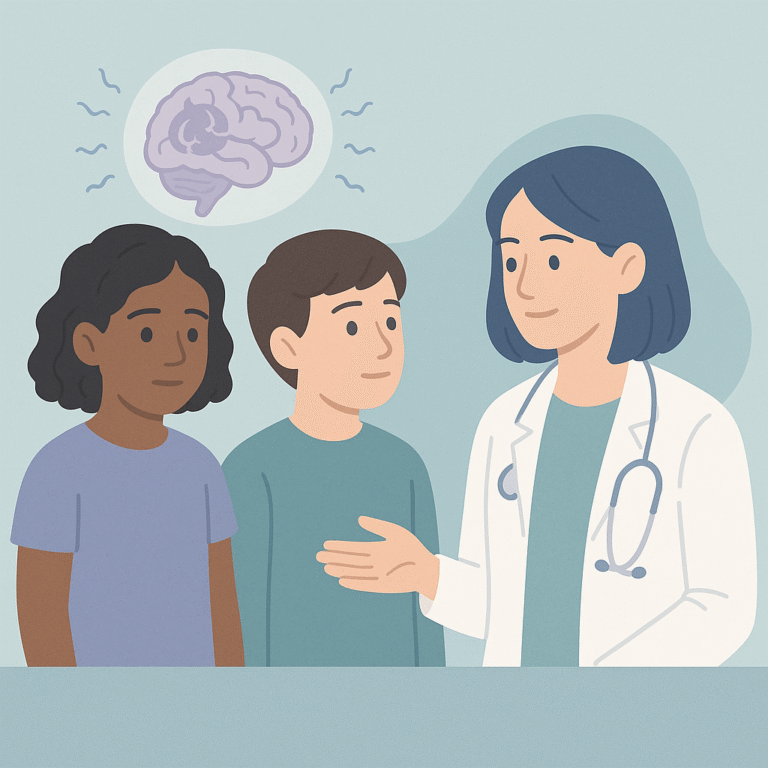
Researchers studied a case involving an 8-year-old boy with autism spectrum disorder (ASD) who experienced daily seizures.
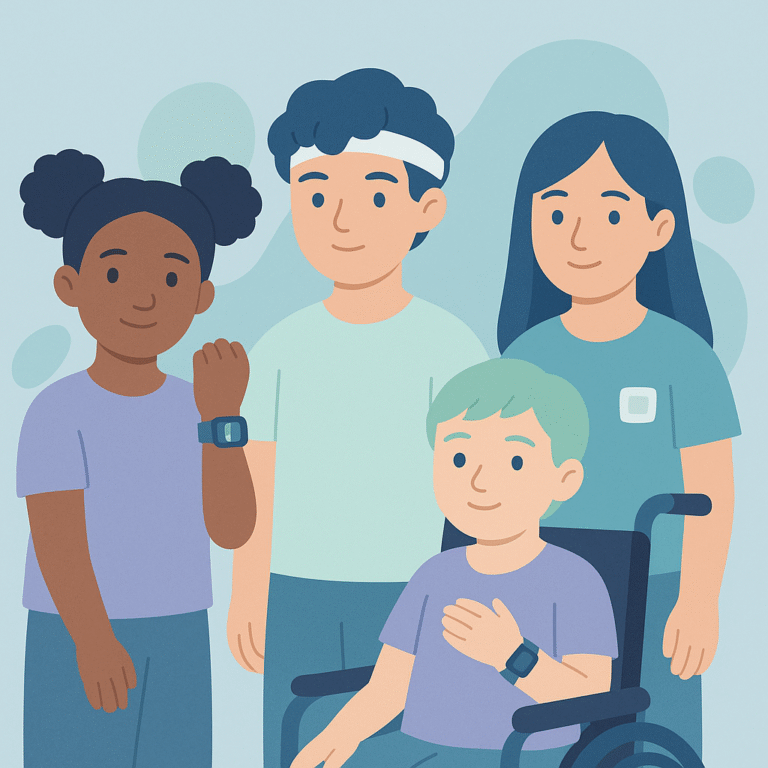
This study focused on children with self-limited epilepsy with centrotemporal spikes (SeLECTs), a common type of epilepsy in kids.
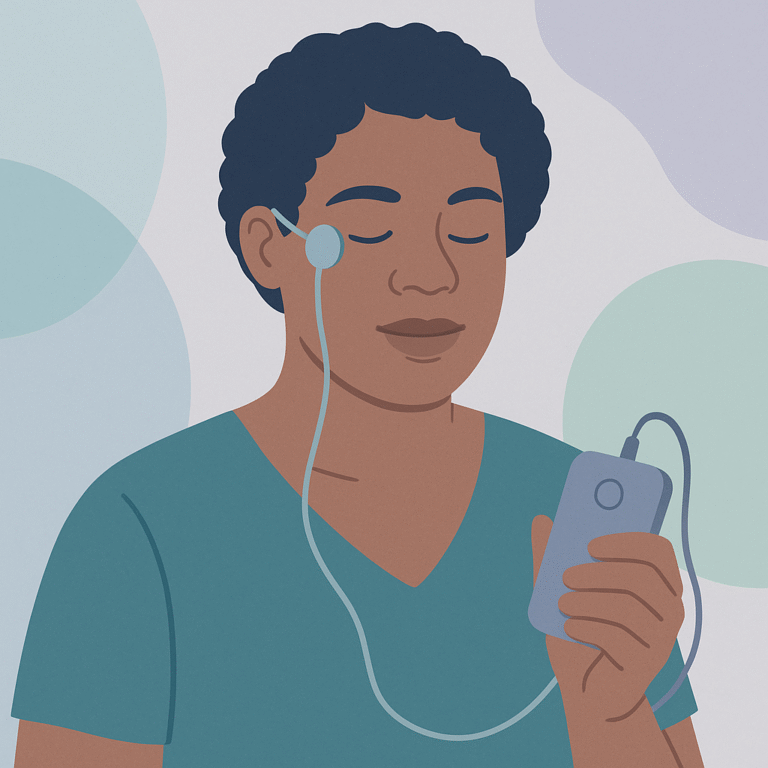
Researchers studied the effectiveness of trigeminal nerve stimulation (TNS) as a treatment for people with drug-resistant epilepsy (DRE), which means their seizures do not respond to standard medications.
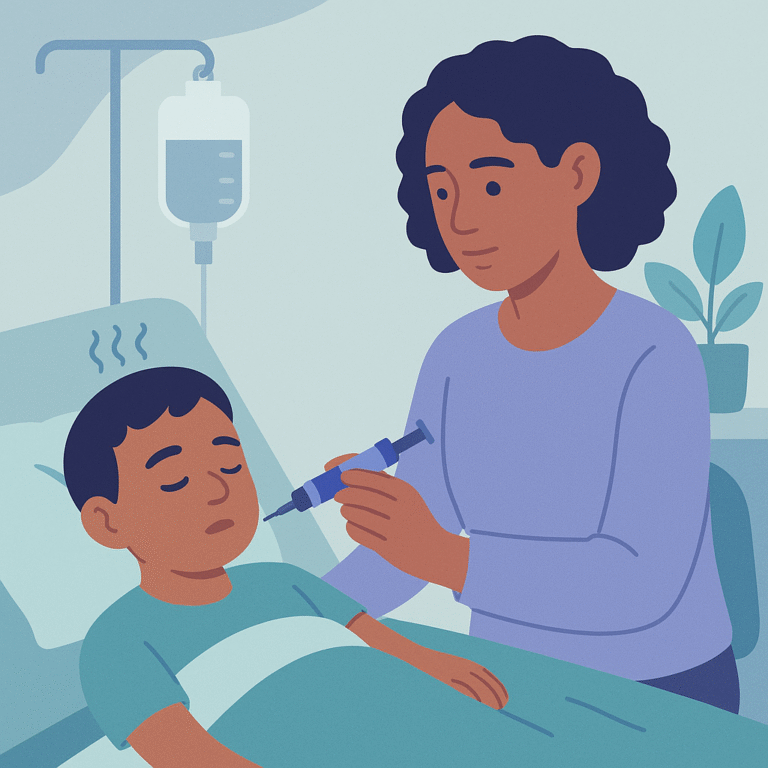
This study looked at children with a type of epilepsy called self-limited epilepsy with centrotemporal spikes (SeLECTS).
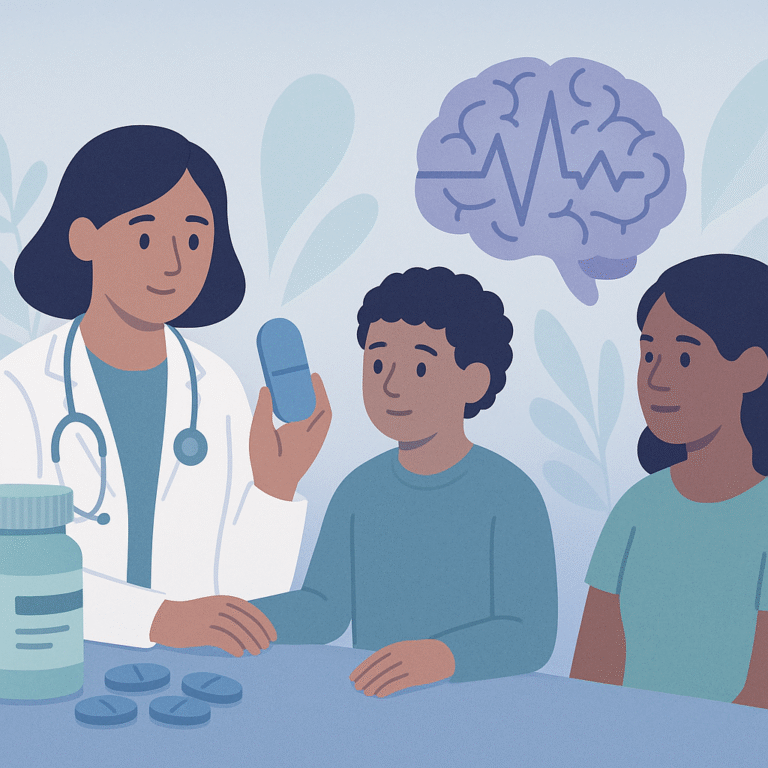
Researchers studied the effectiveness and safety of fenfluramine as a treatment for people with drug-resistant epilepsy, particularly those with conditions like Dravet syndrome and Lennox-Gastaut syndrome.
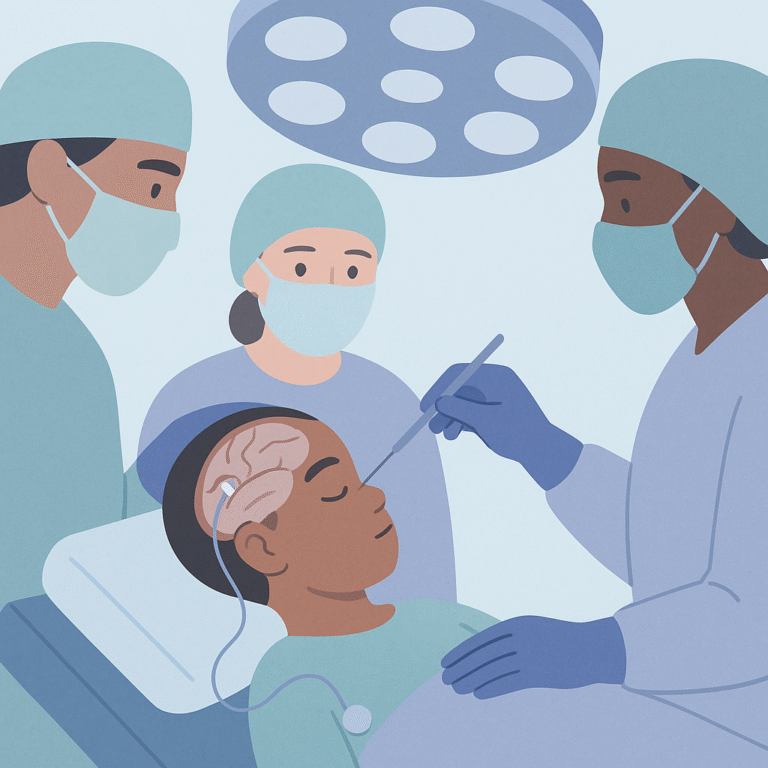
This study looked at the safety of deep brain stimulation (DBS) surgery in children with various conditions, including movement disorders, drug-resistant epilepsy, and self-injurious behavior.