Neurosurgery for Psychiatric Disorders Shows Similar Side Effects
Researchers studied the effects of different types of brain surgeries on mental functions in people with psychiatric disorders, epilepsy, and other conditions.
This hub covers epilepsy devices and neuromodulation like VNS, RNS, and DBS, which are treatments that can reduce seizures when meds aren’t enough. Plain-language research summaries plus real-life pros/cons.
Some are used more often in adults, but pediatric use depends on the device, the case, and specialist guidance.
Often gradually. Improvement can build over months as settings are optimized.
Sometimes medication can be reduced, but many people still use meds alongside a device.
Sometimes yes, with device-specific rules. Always check the exact device guidelines first.
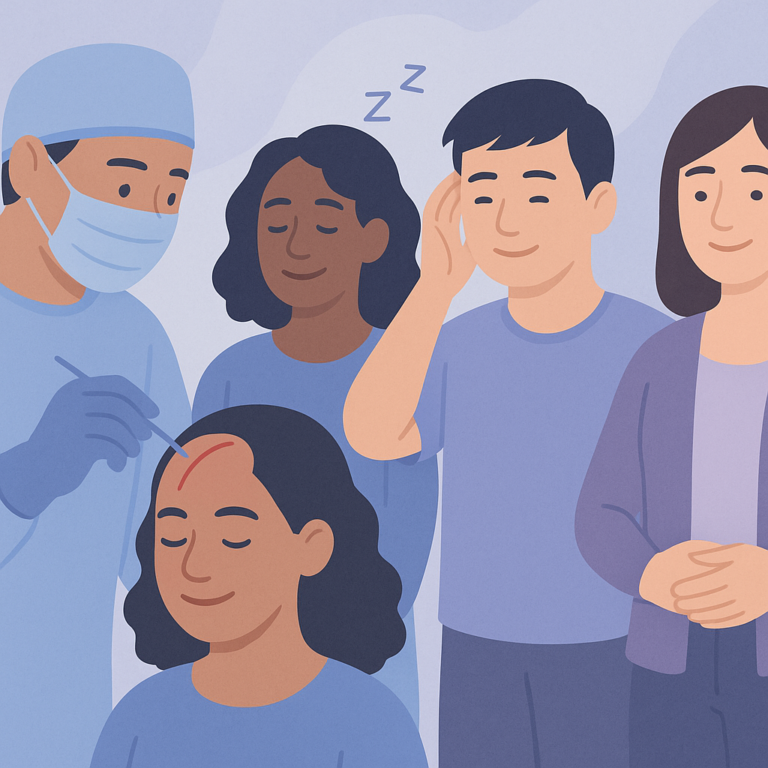
Researchers studied the effects of different types of brain surgeries on mental functions in people with psychiatric disorders, epilepsy, and other conditions.
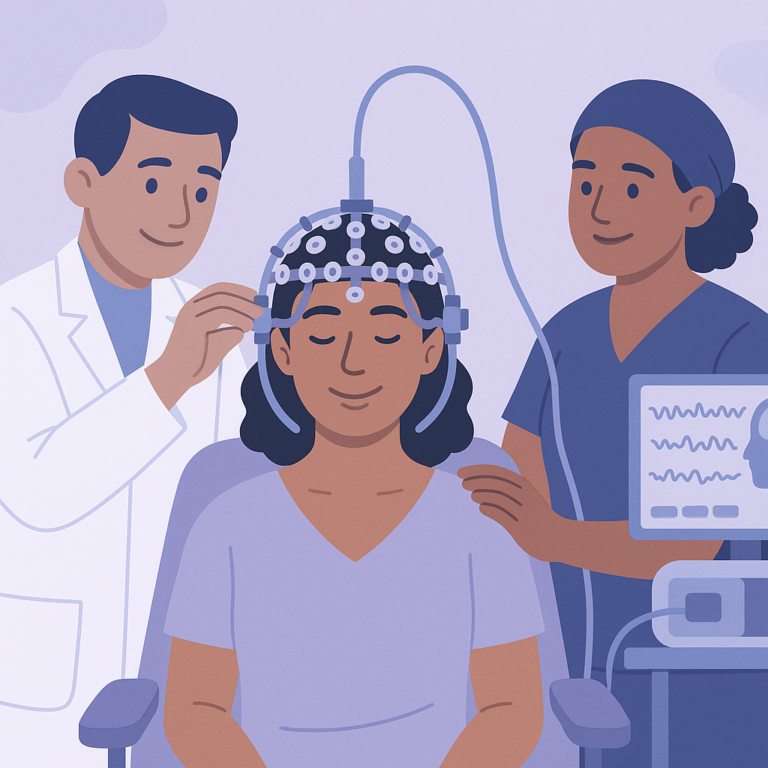
This study looked at how well a procedure called stereoelectroencephalography (sEEG) works for patients with epilepsy who do not respond to medication.
In this study, researchers looked at how deep brain stimulation (DBS) of the anterior thalamus can help people with epilepsy who do not respond to medication.
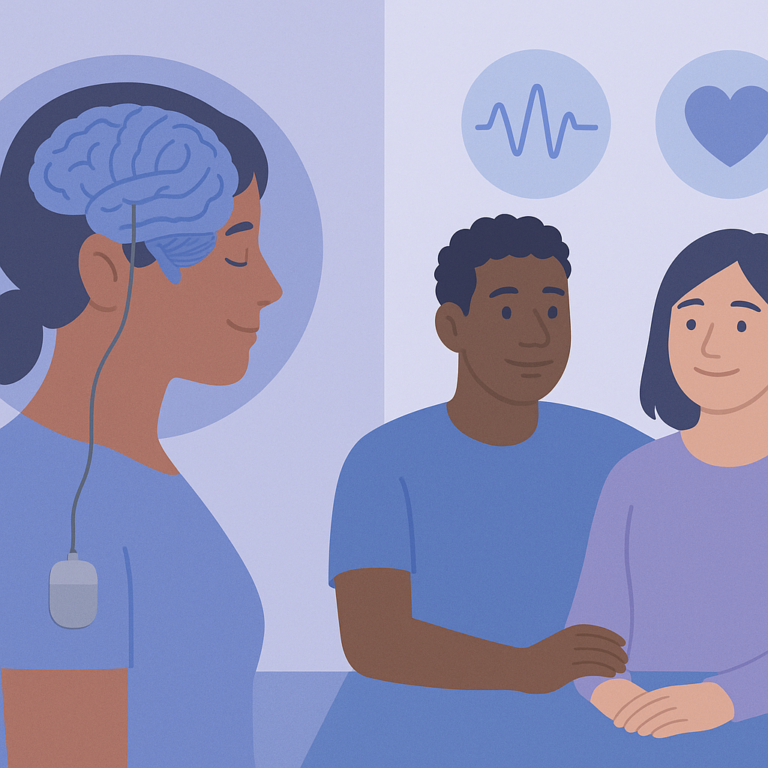
Researchers studied the effectiveness of Deep Brain Stimulation (DBS) for people with drug-resistant epilepsy (DRE), a condition where seizures do not respond well to medication.
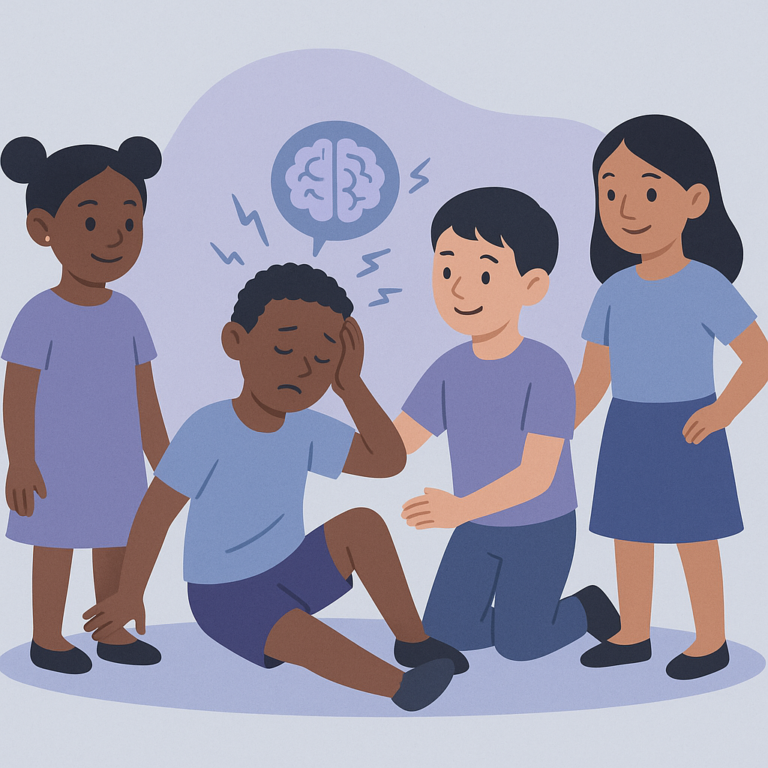
This study looked at children and teenagers with epilepsy at a hospital in Tanzania.
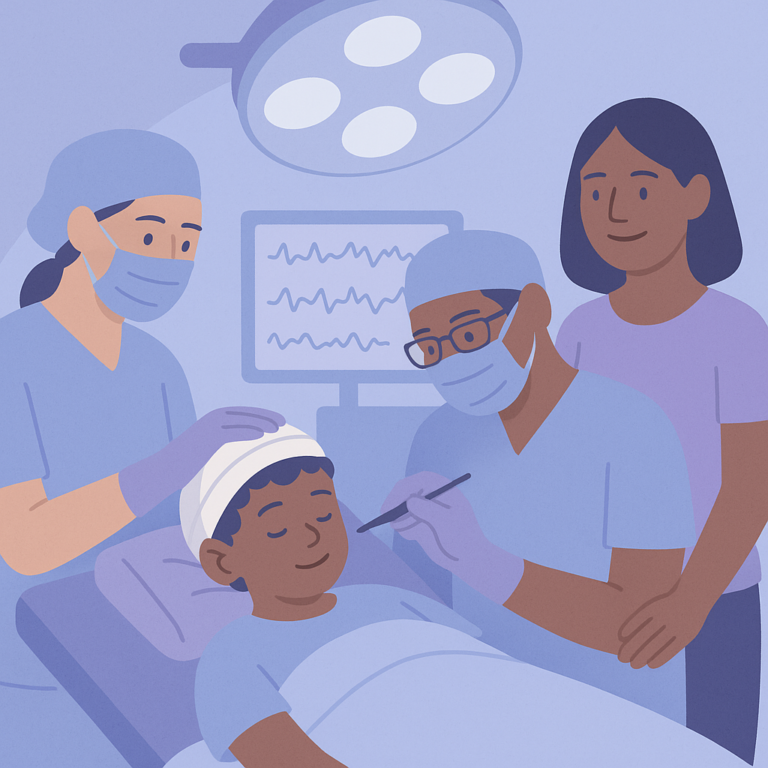
Researchers studied the outcomes of pediatric epilepsy surgery by examining data from 100 procedures performed on 62 children and young adults.

This study looked at the effects of deep brain stimulation (DBS) on adults with drug-resistant epilepsy (DRE) who had not found relief from other treatments, including vagus nerve stimulation (VNS).

This study looked at two different forms of cannabidiol (CBD) to see how they are absorbed and how safe they are.
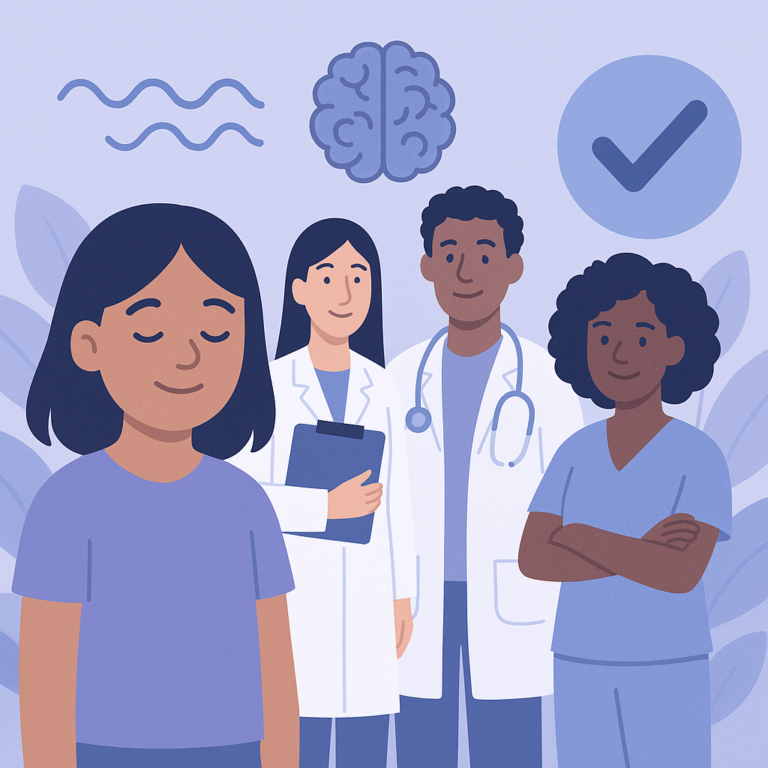
This study looked at childhood absence epilepsy (CAE), a common type of epilepsy that affects children, particularly those in school.