Predicting Recovery After Cardiac Arrest Using EEG Patterns
This study focuses on understanding how certain brain activity patterns, seen in electroencephalograms (EEGs), can help predict the recovery of people who survive cardiac arrest.
This hub covers epilepsy devices and neuromodulation like VNS, RNS, and DBS, which are treatments that can reduce seizures when meds aren’t enough. Plain-language research summaries plus real-life pros/cons.
Some are used more often in adults, but pediatric use depends on the device, the case, and specialist guidance.
Often gradually. Improvement can build over months as settings are optimized.
Sometimes medication can be reduced, but many people still use meds alongside a device.
Sometimes yes, with device-specific rules. Always check the exact device guidelines first.
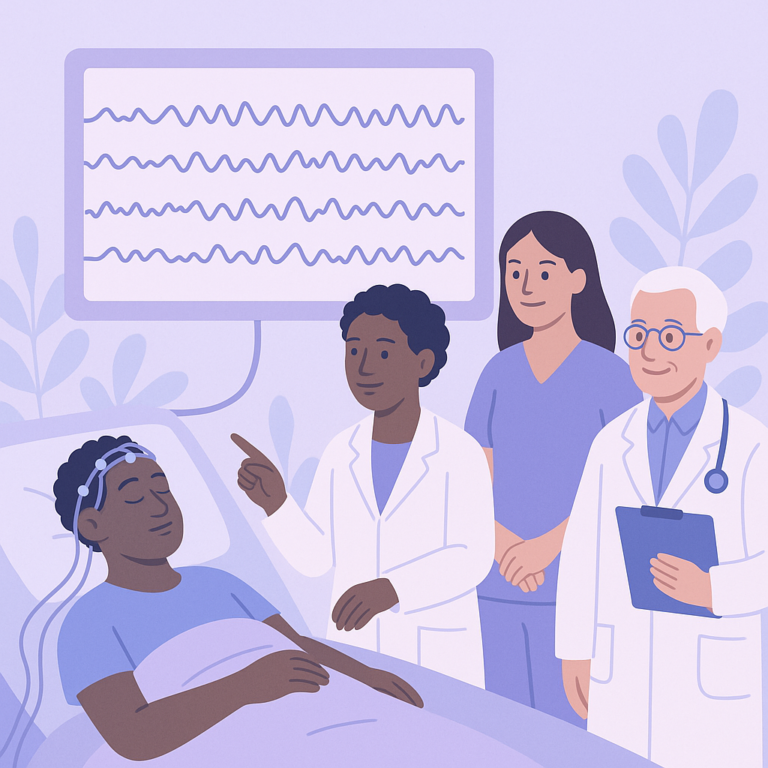
This study focuses on understanding how certain brain activity patterns, seen in electroencephalograms (EEGs), can help predict the recovery of people who survive cardiac arrest.

Researchers studied the unique challenges faced by women with epilepsy (WWE) throughout different stages of their lives.
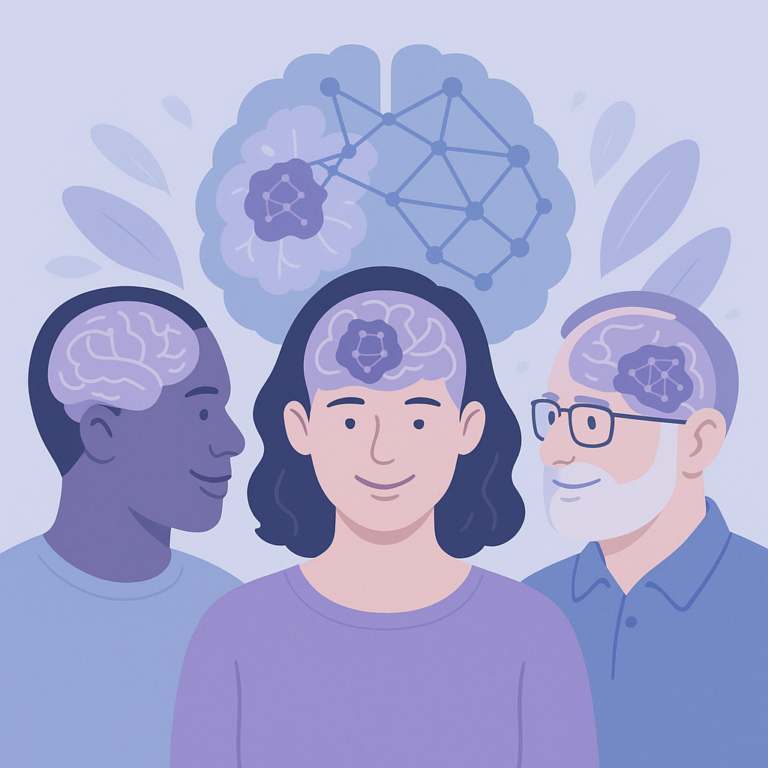
Researchers studied how brain networks are affected in people with nonlesional focal epilepsy, which is a type of epilepsy that doesn’t show visible brain damage on scans.
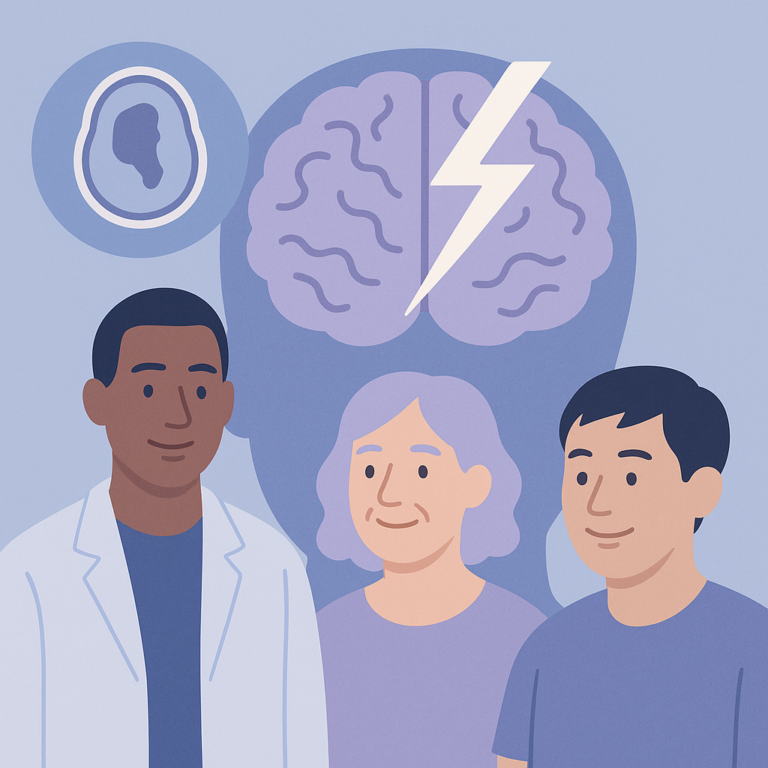
This study looked at adults who experienced a first episode of status epilepticus (SE), a serious condition where seizures last too long or happen back-to-back.
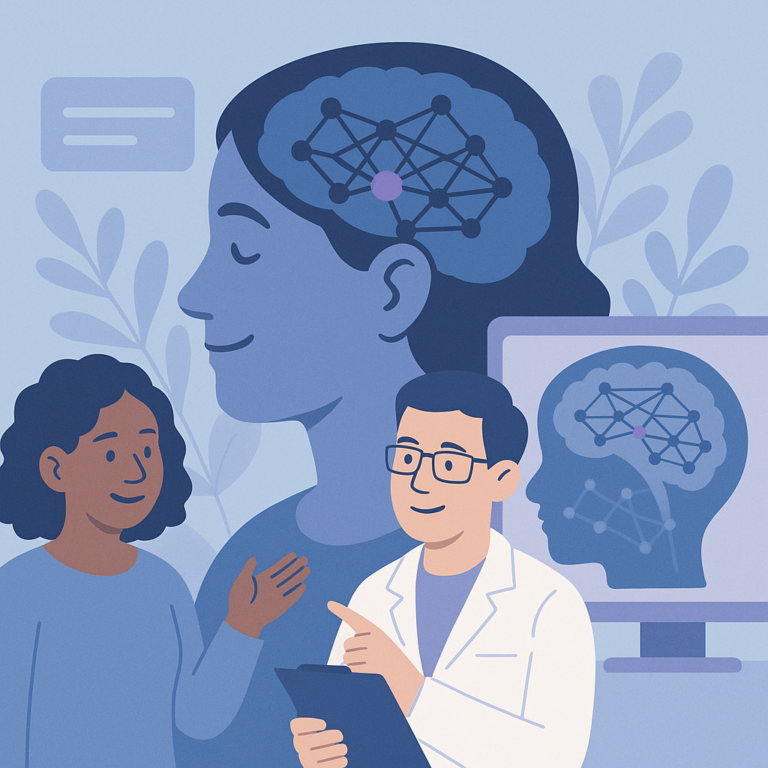
Researchers studied how deep learning (DL) techniques can help locate the epileptogenic zone (EZ), which is the area in the brain that causes seizures, in people with drug-resistant epilepsy.
Researchers studied various modern treatment approaches for epilepsy, a condition that causes repeated seizures.
This study looked at the challenges that healthcare providers face when counseling women with epilepsy about breastfeeding.
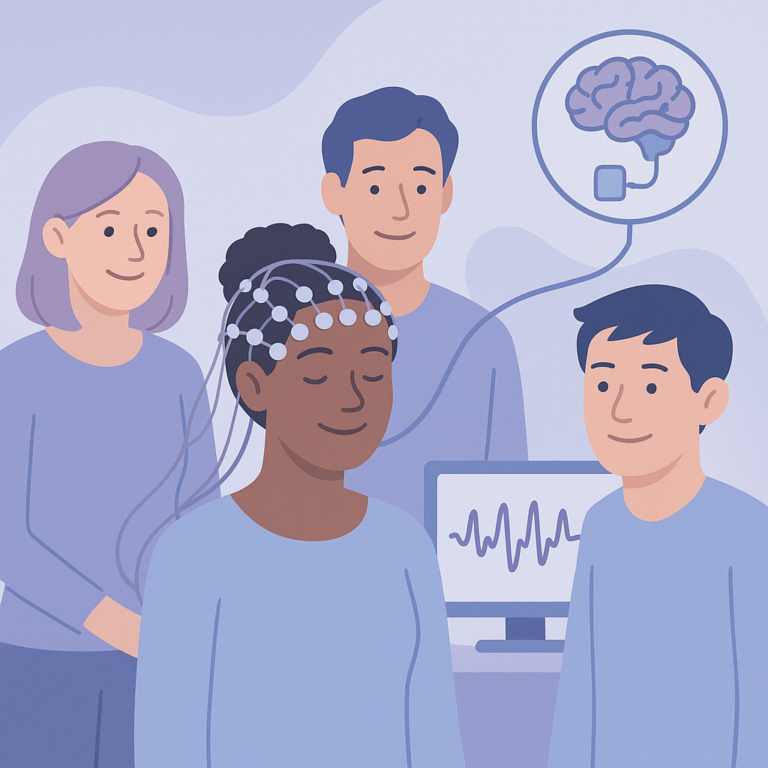
This study looked at how certain brain activity signals, called biomarkers, can help predict how well invasive treatments for drug-resistant epilepsy (DRE) work.
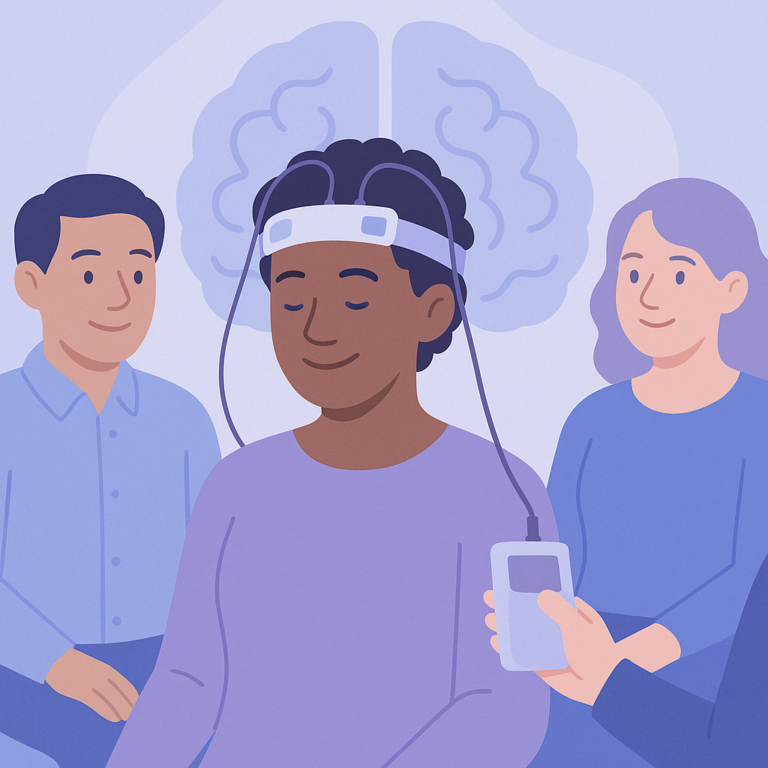
Researchers studied the effects of transcranial direct current stimulation (tDCS) on various psychiatric and neurological disorders, including epilepsy, major depressive disorder, schizophrenia, alcohol use disorder, stroke, and fibromyalgia.