New Insights on Treating Infantile Epilepsy Spasms Syndrome
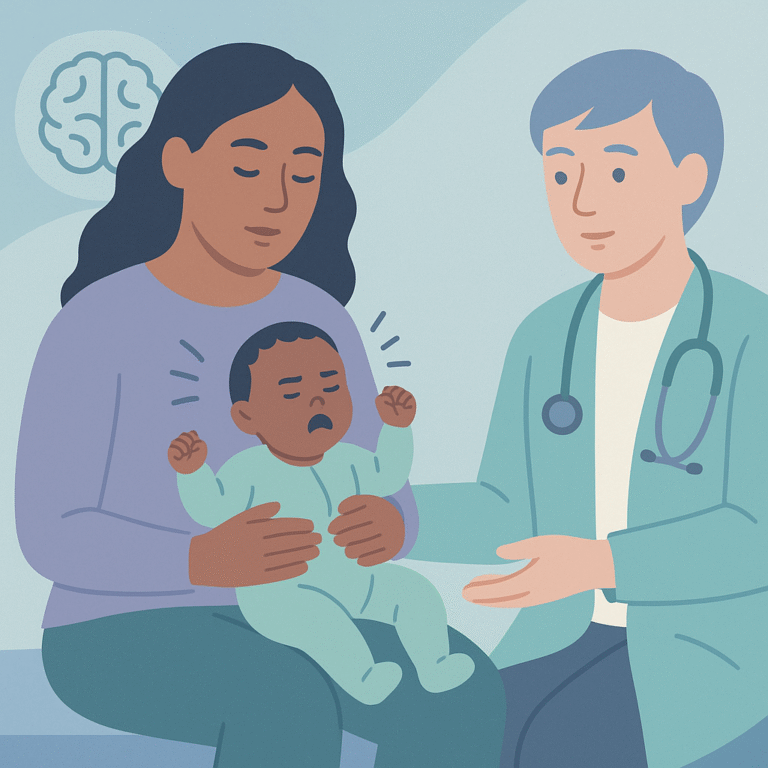
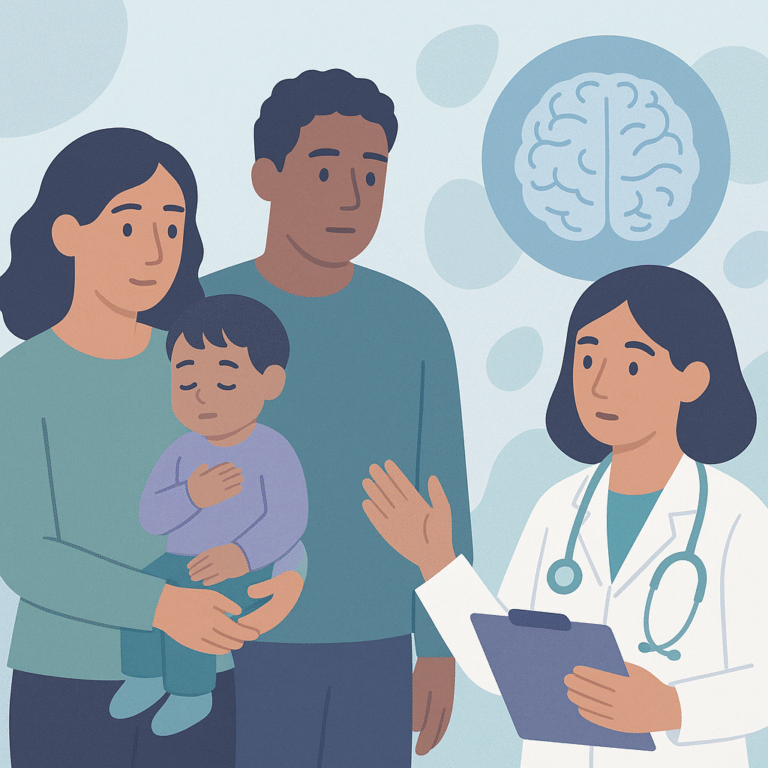
Researchers studied infantile epilepsy spasms syndrome (IESS), a serious condition that affects about 3 in 10,000 newborns in the U.S.
This hub covers epilepsy devices and neuromodulation like VNS, RNS, and DBS, which are treatments that can reduce seizures when meds arenβt enough. Plain-language research summaries plus real-life pros/cons.
Some are used more often in adults, but pediatric use depends on the device, the case, and specialist guidance.
Often gradually. Improvement can build over months as settings are optimized.
Sometimes medication can be reduced, but many people still use meds alongside a device.
Sometimes yes, with device-specific rules. Always check the exact device guidelines first.
Researchers studied infantile epilepsy spasms syndrome (IESS), a serious condition that affects about 3 in 10,000 newborns in the U.S.
Researchers studied the effects of valproate, a medication used to treat epilepsy and bipolar disorder, on infertility in men.
Researchers studied the effectiveness of five newer anti-seizure medications (ASMs) in treating Lennox-Gastaut syndrome (LGS), a severe form of epilepsy that begins in childhood and is often resistant to treatment.
This study looked at the healthcare use and costs for people with drug-resistant epilepsy (DRE) who were enrolled in Medicaid and received a neurostimulator implant.
This study focused on a 58-year-old man who developed a specific type of seizure called palinopsia after a brain injury.
Researchers studied how well hospitals follow treatment guidelines for status epilepticus (SE), a serious condition where seizures last too long.
This study looked at children with a specific genetic condition called SYNGAP1-related developmental and epileptic encephalopathy (DEE), which causes severe developmental issues and epilepsy.
This study looked at how parents of children and youth with epilepsy (CYE) view their child’s cognitive abilities and how this affects their experiences with moving from pediatric to adult healthcare.
A group of 22 experts from Nordic countries studied how to improve the use of Vagus Nerve Stimulation (VNS) therapy for people with drug-resistant epilepsy.