Understanding Placebo Effects in Epilepsy Treatment Trials
Researchers studied the effects of placebo in epilepsy treatment trials.
This hub covers epilepsy devices and neuromodulation like VNS, RNS, and DBS, which are treatments that can reduce seizures when meds aren’t enough. Plain-language research summaries plus real-life pros/cons.
Some are used more often in adults, but pediatric use depends on the device, the case, and specialist guidance.
Often gradually. Improvement can build over months as settings are optimized.
Sometimes medication can be reduced, but many people still use meds alongside a device.
Sometimes yes, with device-specific rules. Always check the exact device guidelines first.

Researchers studied the effects of placebo in epilepsy treatment trials.
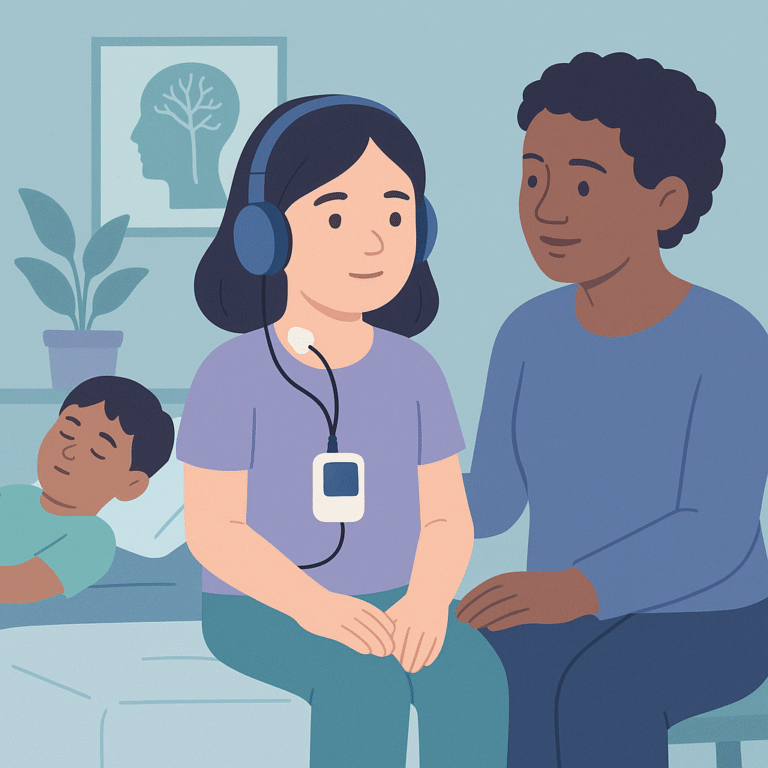
This study looked at how effective vagus nerve stimulation (VNS) is for treating drug-resistant epilepsy (DRE) in children.
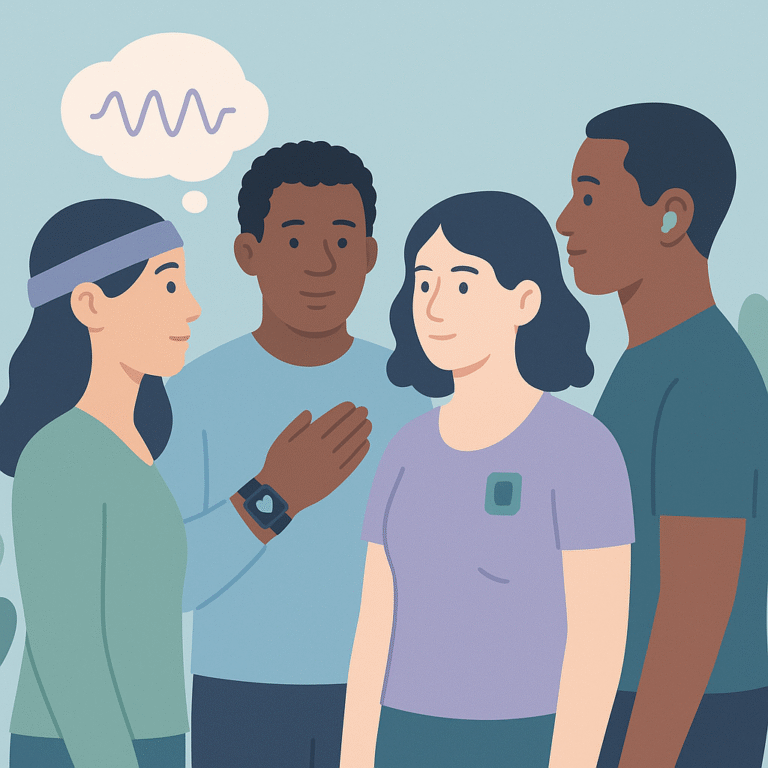
Researchers studied wearable artificial intelligence (AI) technologies designed to help manage epilepsy, which affects around 50 million people worldwide.

This study looked at how child neurologists talk to female patients with epilepsy about reproductive health.
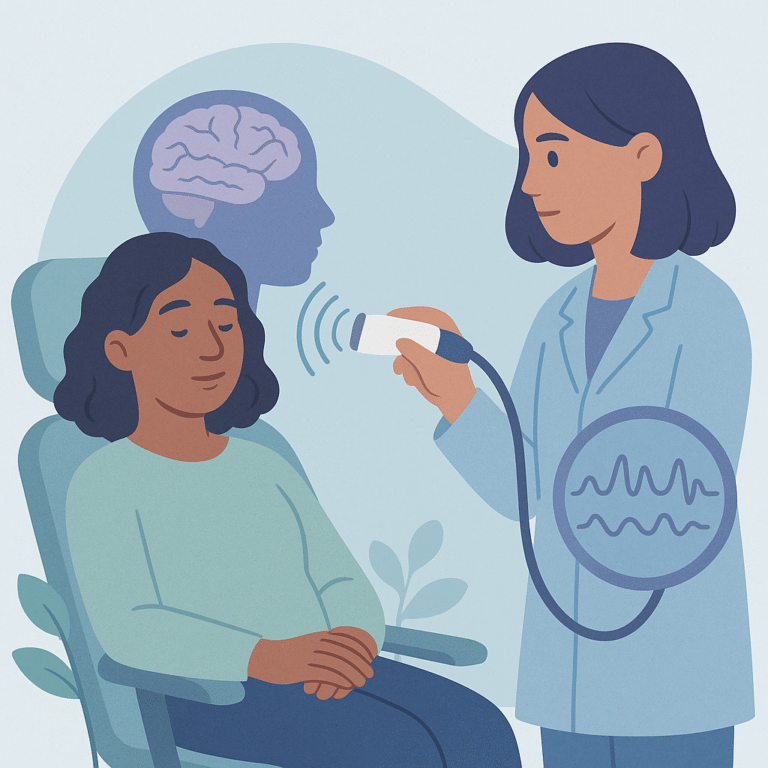
Researchers studied a technique called transcranial focused ultrasound (tFUS), which is a non-invasive way to stimulate specific areas of the brain using sound waves.
This study looked at epilepsy in people with a rare genetic condition called dentatorubral-pallidoluysian atrophy (DRPLA).
This study looked at how the glymphatic system, which helps clear waste from the brain, functions in different types of temporal lobe epilepsy (TLE).
This study looked at children with epilepsy and movement disorders, known as EPIMDs, to better understand their genetic causes and how these conditions present.
A study was conducted to examine how well a new inhalation device called Staccato® alprazolam works in adolescents aged 12 to 17 with epilepsy.