Comparing Laser Therapy and Surgery for Drug-Resistant Epilepsy
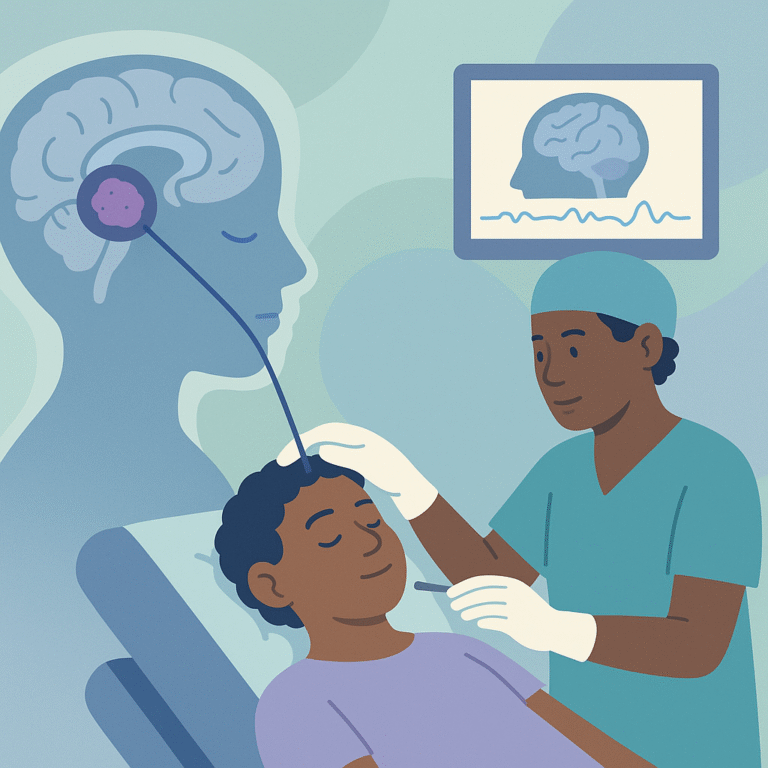
Researchers studied two surgical treatments for people with drug-resistant epilepsy: open resective surgery (ORS) and laser interstitial thermal therapy (LITT).
This hub covers drug-resistant epilepsy: When seizures arenβt controlled after trying two appropriate medicines. Research-backed next steps on diet therapies, devices, surgery evaluation, and safety.
If seizures aren’t controlled after two meds, it’s worth at least an evaluation at an epilepsy center.
Not necessarily. Some familiar consider it earlier depending on seizure type and goals.
Yes. Treatment response can change over time, and combinations/approaches matter.
Seizure frequency, triggers, sleep, missed meds, side effects, and rescue med use.
Researchers studied two surgical treatments for people with drug-resistant epilepsy: open resective surgery (ORS) and laser interstitial thermal therapy (LITT).
This study looked at how effective and safe the medication lacosamide (LCM) is for children and teenagers with drug-resistant epilepsy (DRE), which means their seizures do not respond well to standard treatments.
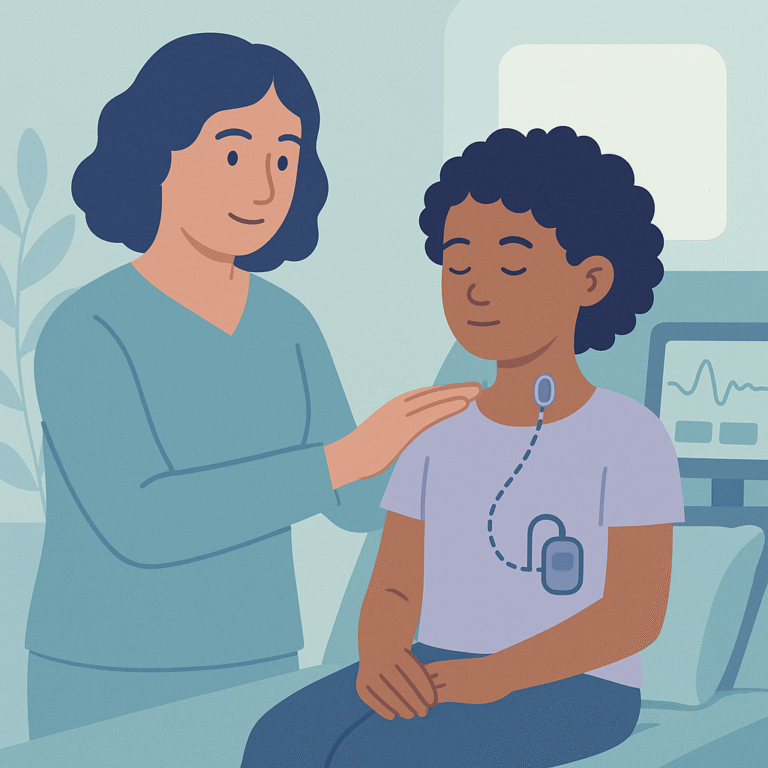
This study looked at the healthcare use and costs for people with drug-resistant epilepsy (DRE) who were enrolled in Medicaid and received a neurostimulator implant.
A study was conducted to evaluate the effectiveness and safety of a medication called cenobamate (CNB) in treating patients with Lennox-Gastaut Syndrome (LGS), a severe form of epilepsy that often starts in childhood.
This study looked at how children aged 8 to 17 experience long-term video-electroencephalography monitoring (LTVEM), a procedure used to diagnose epilepsy when medications donβt work.
This study looked at a specific gene called ADAM23 and its potential role in causing focal epilepsy, which is a type of seizure disorder.
Researchers studied the effects of a new treatment called repetitive transcranial magnetic stimulation (rTMS) on dogs with drug-resistant epilepsy.
Researchers conducted a systematic review to explore how advanced imaging techniques can identify neuro-inflammatory biomarkers in people with epilepsy who do not respond to medication.
Researchers studied how to create a standard way to measure recovery in adults with epilepsy who also have depression or anxiety.