Understanding Bilateral Frontal Periventricular Nodular Heterotopia
Researchers studied a group of 32 individuals with a specific brain condition called bilateral frontal periventricular nodular heterotopia (PVNH).
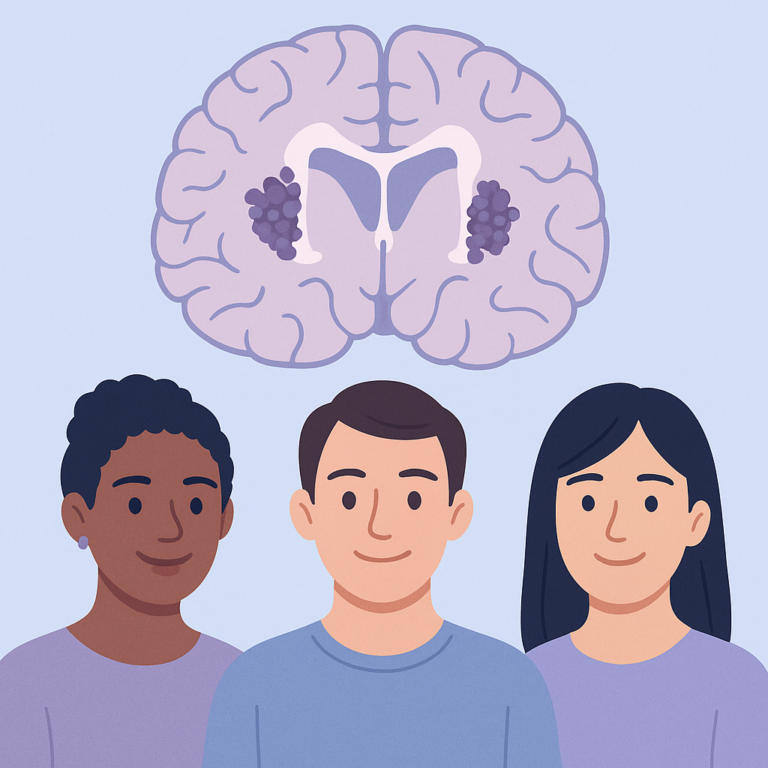
Researchers studied a group of 32 individuals with a specific brain condition called bilateral frontal periventricular nodular heterotopia (PVNH).
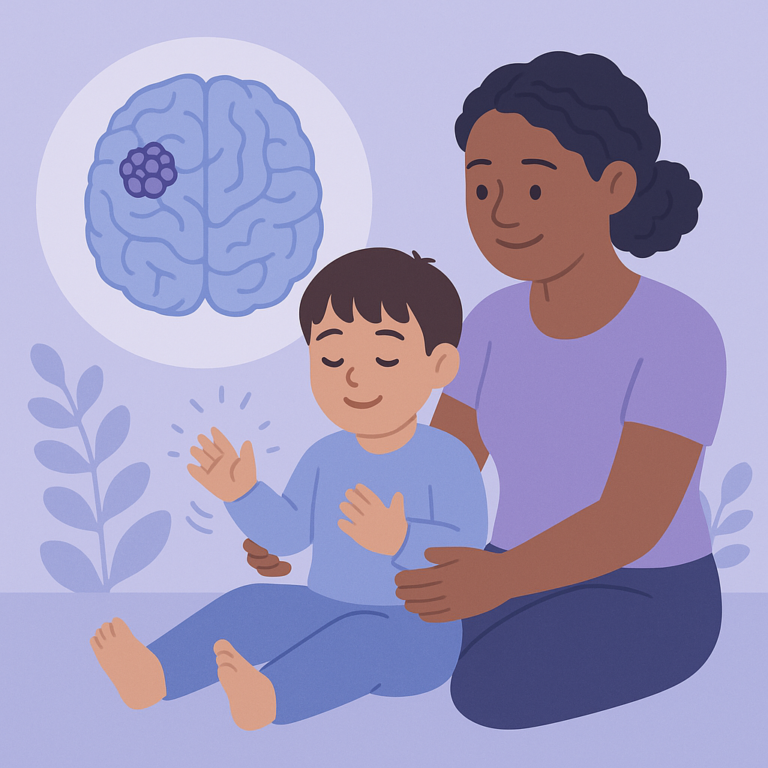
Researchers studied four girls with cerebral cavernous malformations (CCMs) to understand how these brain abnormalities can lead to a specific type of seizure called epileptic spasms.
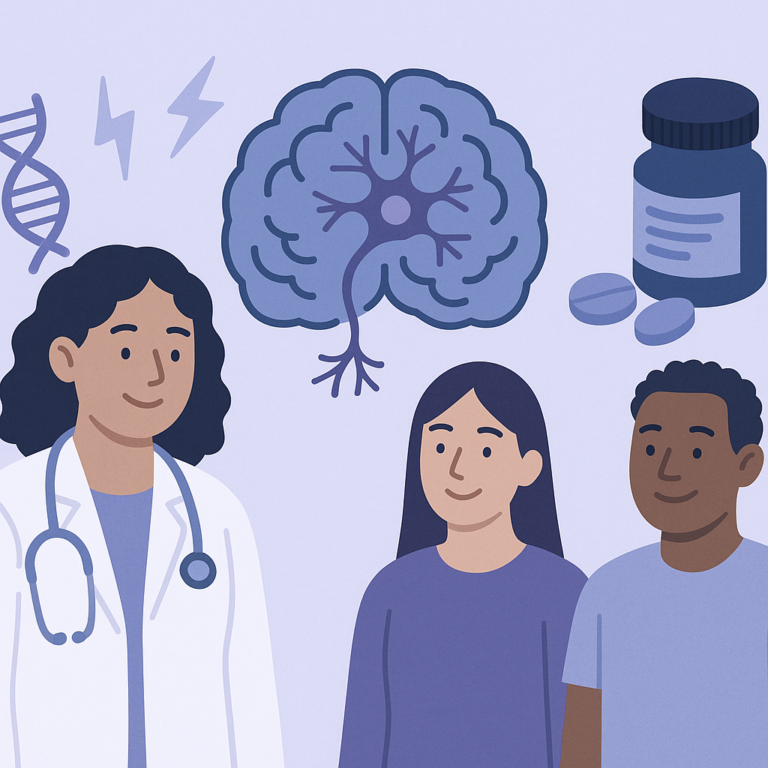
Researchers studied a rare genetic condition called progressive myoclonic epilepsy (PME) in a 41-year-old woman who experienced various symptoms, including tics, seizures, and mental health issues.
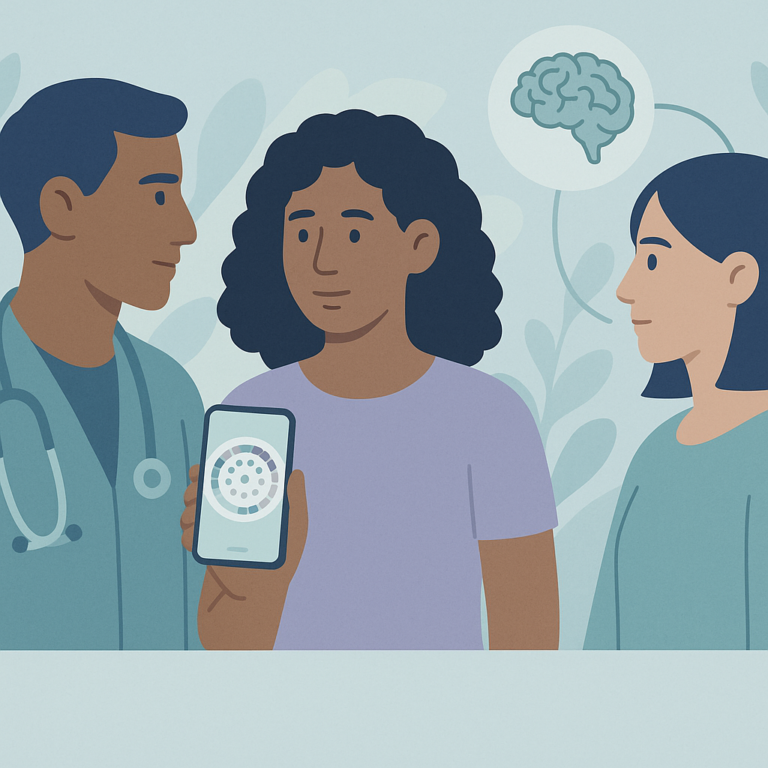
Researchers studied how well different methods predict seizures in people with epilepsy.
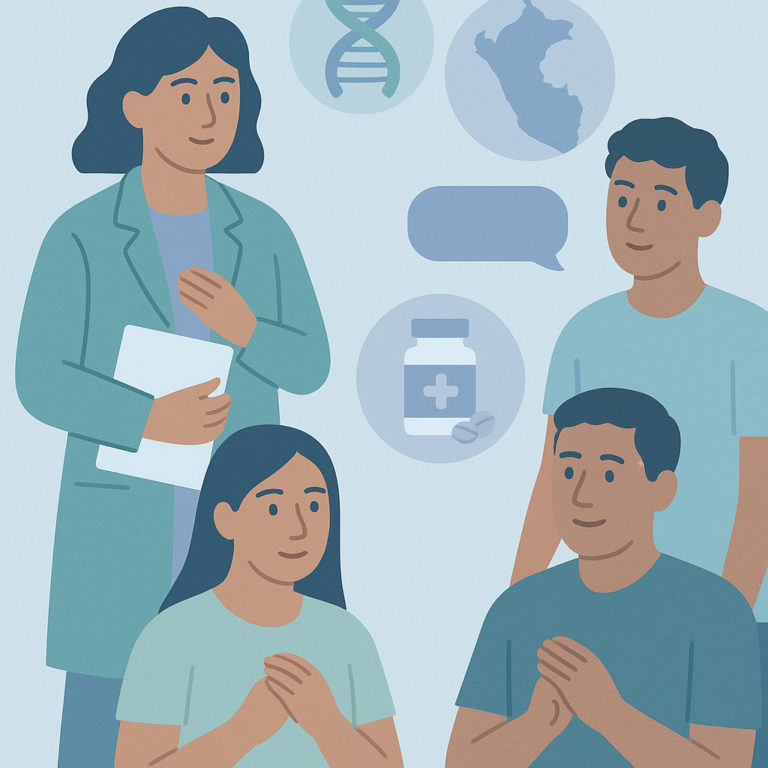
A study was conducted to explore how certain genetic variations affect the way Peruvian patients with epilepsy respond to antiseizure medications.
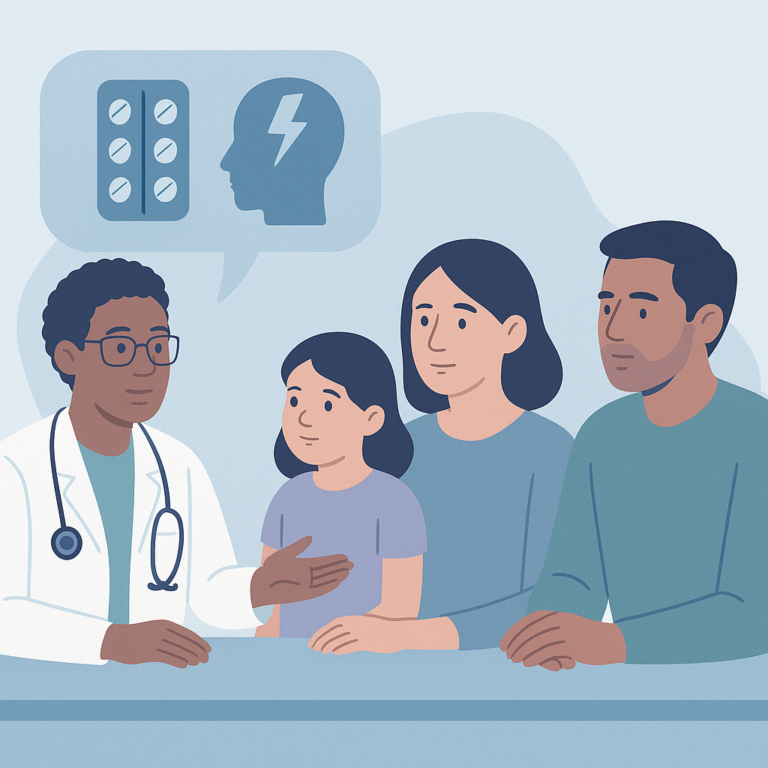
Researchers studied how drug trials for Dravet syndrome, a severe form of epilepsy, are designed and who qualifies to participate in them.

This study looked at five adults with Febrile Infection-Related Epilepsy Syndrome (FIRES), a serious condition that causes severe seizures after a fever.

Researchers studied a genetic condition called PPP2R1A-related neurodevelopmental disorders, which can lead to developmental delays, intellectual disabilities, epilepsy, and brain malformations.

Researchers studied how well single-item global rating scales (SIGRs) and multi-item scales (MISs) work in epilepsy research.