Epilepsy Affects 14% of Nigerians, Especially Children
This study focused on understanding epilepsy in Nigeria, looking at how common it is, the types of seizures people experience, and how they are treated.
This hub covers epilepsy genetics: how gene changes can contribute to seizures (often in children). We translate studies on testing, results like VUS, and what findings may change for care.
No. It’s common in pediatrics, but adults can benefit from genetic testing, too, especially with unclear diagnosis or family history.
Sometimes. For certain conditions, results can guide medication choice, diet therapies, or referral decisions.
It usually means “not enough evidence yet.” It shouldn’t be treated as a definite cause, but it can be reclassified over time.
Not necessarily. Testing can miss some variants, and new gene links are still being discovered.
This study focused on understanding epilepsy in Nigeria, looking at how common it is, the types of seizures people experience, and how they are treated.
Researchers studied the effectiveness and safety of fenfluramine as a treatment for people with drug-resistant epilepsy, particularly those with conditions like Dravet syndrome and Lennox-Gastaut syndrome.
Researchers studied the use of genetic testing for infants with epilepsy that starts before the age of two, particularly in developing countries where resources are limited.
In this study, researchers looked at the SSPOP gene and its connection to epilepsy and developmental disorders in children.
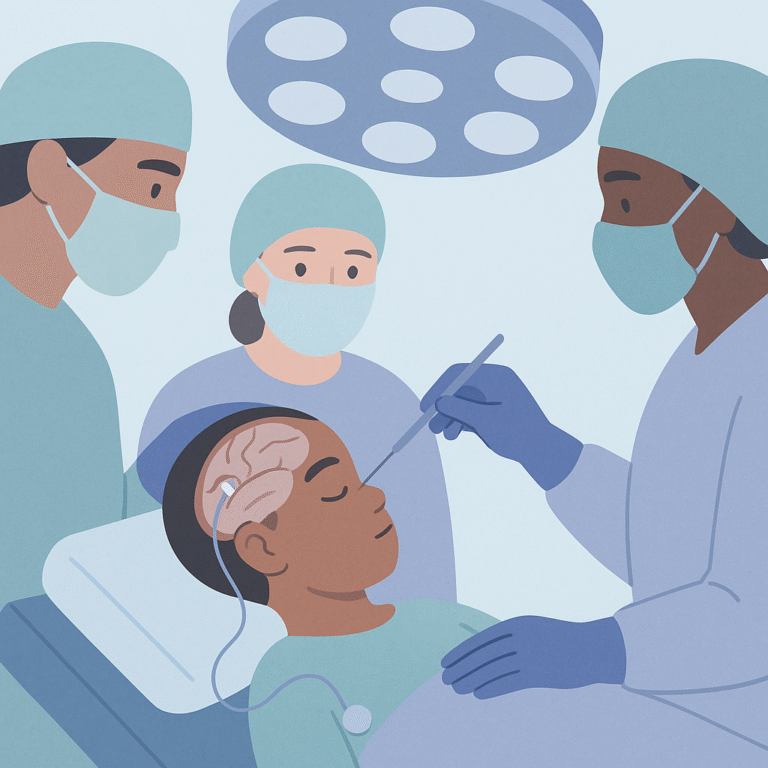
This study looked at the safety of deep brain stimulation (DBS) surgery in children with various conditions, including movement disorders, drug-resistant epilepsy, and self-injurious behavior.
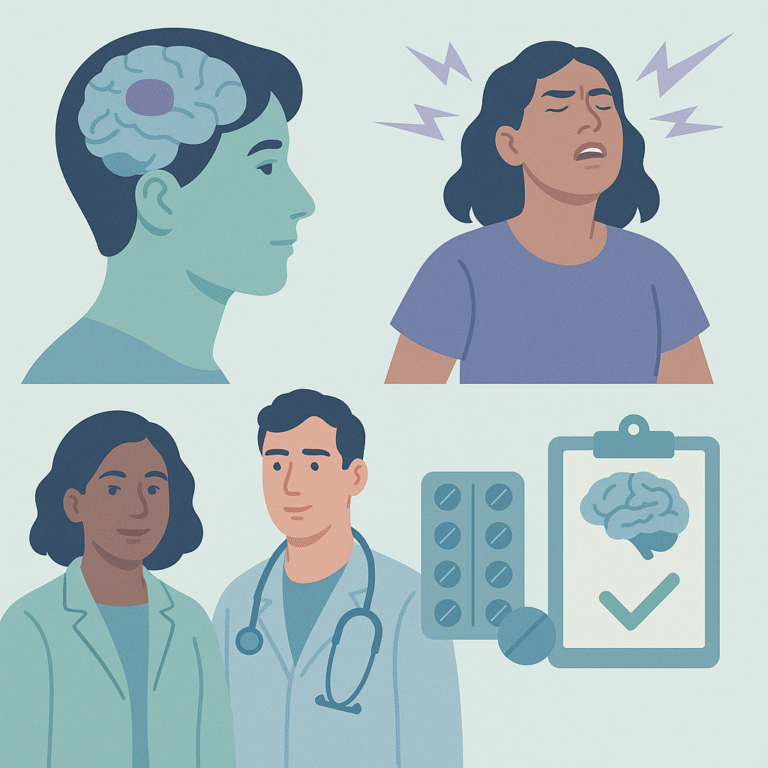
Researchers studied glioma-associated epilepsy (GAE), which is a common issue for people with brain tumors called gliomas.
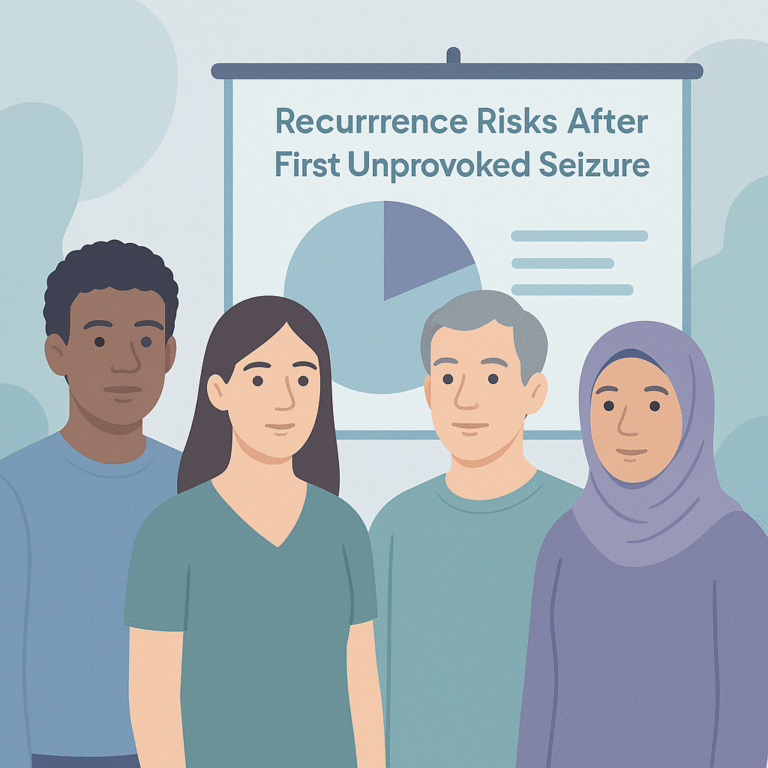
Researchers studied factors that might predict whether someone will have another seizure after experiencing their first unprovoked seizure.

This study looked at how well children and young people with epilepsy can become seizure-free over time.
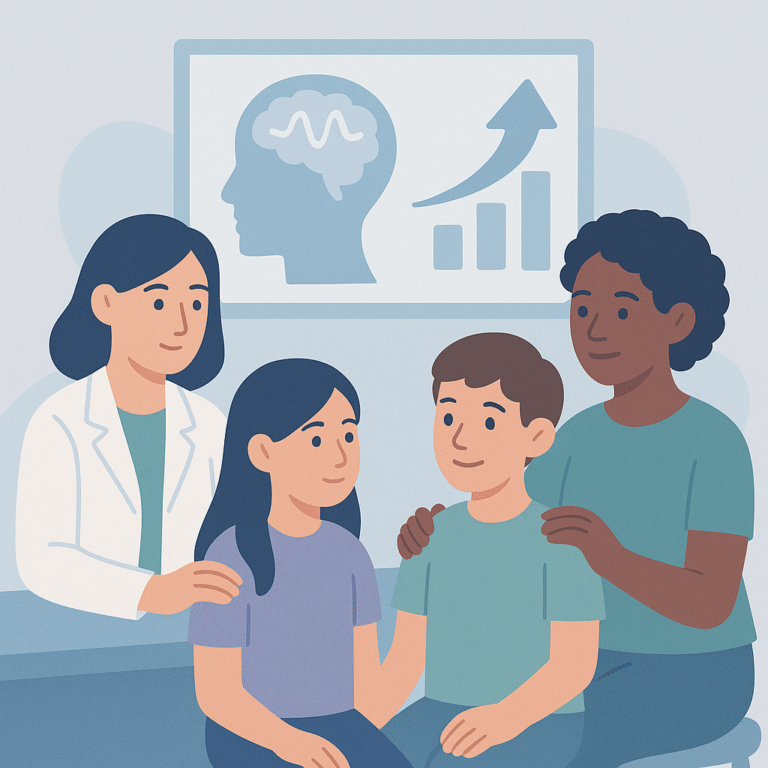
This study focused on children with a specific type of epilepsy called focal cortical dysplasia (FCD), which often does not respond to medication.