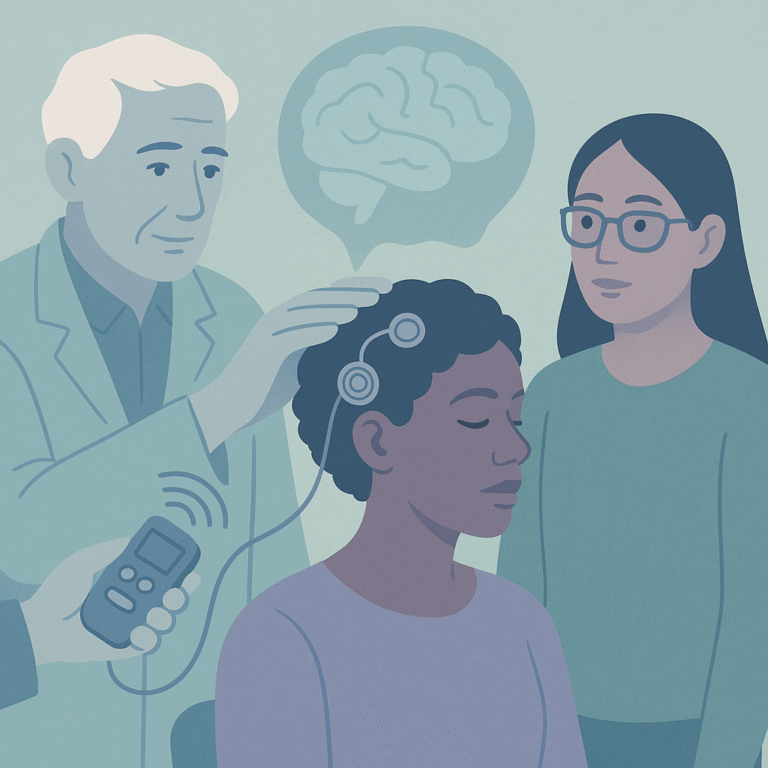
First Diagnosis of FAME3 Using Advanced Genetic Sequencing
Researchers studied a rare genetic condition called Familial Adult Myoclonic Epilepsy type 3 (FAME3), which causes seizures and tremors.
This hub covers epilepsy genetics: how gene changes can contribute to seizures (often in children). We translate studies on testing, results like VUS, and what findings may change for care.
No. It’s common in pediatrics, but adults can benefit from genetic testing, too, especially with unclear diagnosis or family history.
Sometimes. For certain conditions, results can guide medication choice, diet therapies, or referral decisions.
It usually means “not enough evidence yet.” It shouldn’t be treated as a definite cause, but it can be reclassified over time.
Not necessarily. Testing can miss some variants, and new gene links are still being discovered.
Researchers studied a rare genetic condition called Familial Adult Myoclonic Epilepsy type 3 (FAME3), which causes seizures and tremors.
Researchers examined how much revenue neurologists generate after patients visit them for specific neurological conditions, such as epilepsy and multiple sclerosis.
Researchers studied how early brain activity patterns, measured by electroencephalography (EEG), can help predict the development of post-traumatic epilepsy (PTE) in adults who have suffered a traumatic brain injury (TBI).
Researchers conducted a study to compare two common medications used to treat epilepsy in children: levetiracetam and sodium valproate.
Researchers conducted a systematic review to evaluate the effectiveness of a new medication called ganaxolone for treating seizures in people with epilepsy.
Researchers studied two sisters who showed signs of growth issues and various physical and neurological features.
Researchers studied the roles of two types of brain cells, called parvalbumin (PV) and somatostatin (SOM) interneurons, in controlling brain activity patterns known as oscillations.
Researchers studied the effects of three types of carbapenem antibioticsβimipenem, meropenem, and ertapenemβon mice to understand their potential to cause seizures.
Researchers conducted a study to explore the connection between cognitive dysfunction and serum neuron-specific enolase (NSE) levels in patients with systemic lupus erythematosus (SLE).