CHD4 Mutations Linked to Heart Issues in Rare Diseases
This study focused on understanding how mutations in a gene called CHD4 affect people with rare diseases, particularly those with cardiovascular issues.
This hub covers epilepsy genetics: how gene changes can contribute to seizures (often in children). We translate studies on testing, results like VUS, and what findings may change for care.
No. It’s common in pediatrics, but adults can benefit from genetic testing, too, especially with unclear diagnosis or family history.
Sometimes. For certain conditions, results can guide medication choice, diet therapies, or referral decisions.
It usually means “not enough evidence yet.” It shouldn’t be treated as a definite cause, but it can be reclassified over time.
Not necessarily. Testing can miss some variants, and new gene links are still being discovered.

This study focused on understanding how mutations in a gene called CHD4 affect people with rare diseases, particularly those with cardiovascular issues.

Researchers studied the impact of achieving one year of seizure freedom on the risk of premature death among people with epilepsy living in rural Henan, China.

Researchers in Austria studied nine patients with a genetic condition called KMT2B-related disorders, which often leads to early-onset dystonia, a movement disorder.

This study looked at how common idiopathic epilepsy (IE) is in dogs and how veterinarians in the United States prescribe medications for it.

This study focused on understanding the potential causes of epilepsy linked to onchocerciasis, also known as river blindness, in young children aged 2 to 5 years in Aketi, Democratic Republic of the Congo.
This study looked at five patients with a specific genetic condition related to epilepsy called NUS1-related disorder.

Researchers studied deep brain stimulation (DBS) as a treatment for people with epilepsy who do not respond to medication and cannot have surgery.
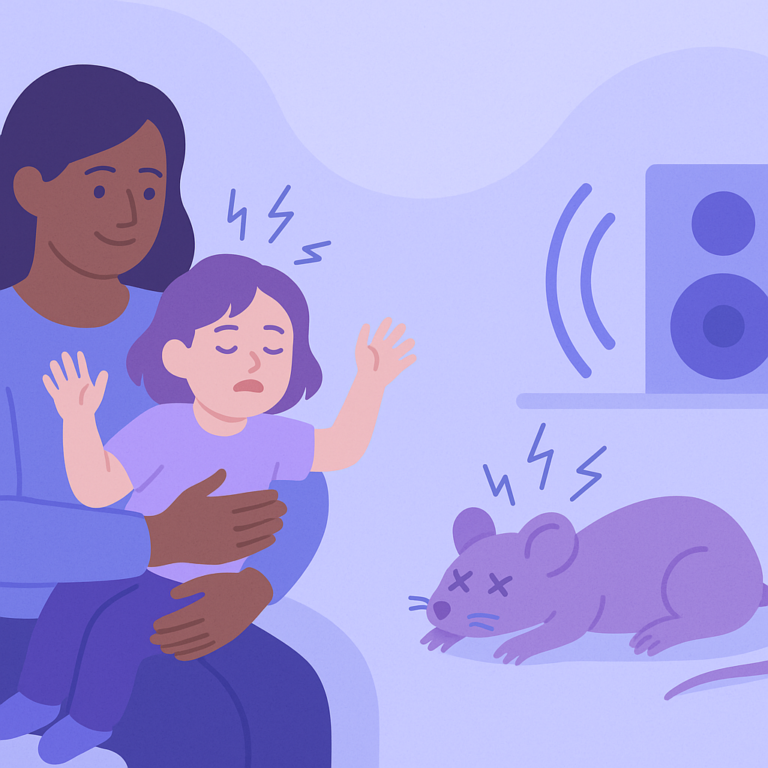
Researchers studied a genetic condition called CDKL5 deficiency disorder (CDD) using mice that lack the CDKL5 gene.

Researchers studied how well two different questionnaires, the Generalized Anxiety Disorder-2 (GAD-2) and the Generalized Anxiety Disorder-7 (GAD-7), can identify anxiety symptoms in children who have headaches or epilepsy.