Low-Frequency rTMS Improves Cognition and Reduces Seizures
This study looked at how low-frequency repetitive transcranial magnetic stimulation (LF-rTMS) affects cognitive function and epileptiform discharges in people with epilepsy.
This hub covers epilepsy genetics: how gene changes can contribute to seizures (often in children). We translate studies on testing, results like VUS, and what findings may change for care.
No. It’s common in pediatrics, but adults can benefit from genetic testing, too, especially with unclear diagnosis or family history.
Sometimes. For certain conditions, results can guide medication choice, diet therapies, or referral decisions.
It usually means “not enough evidence yet.” It shouldn’t be treated as a definite cause, but it can be reclassified over time.
Not necessarily. Testing can miss some variants, and new gene links are still being discovered.
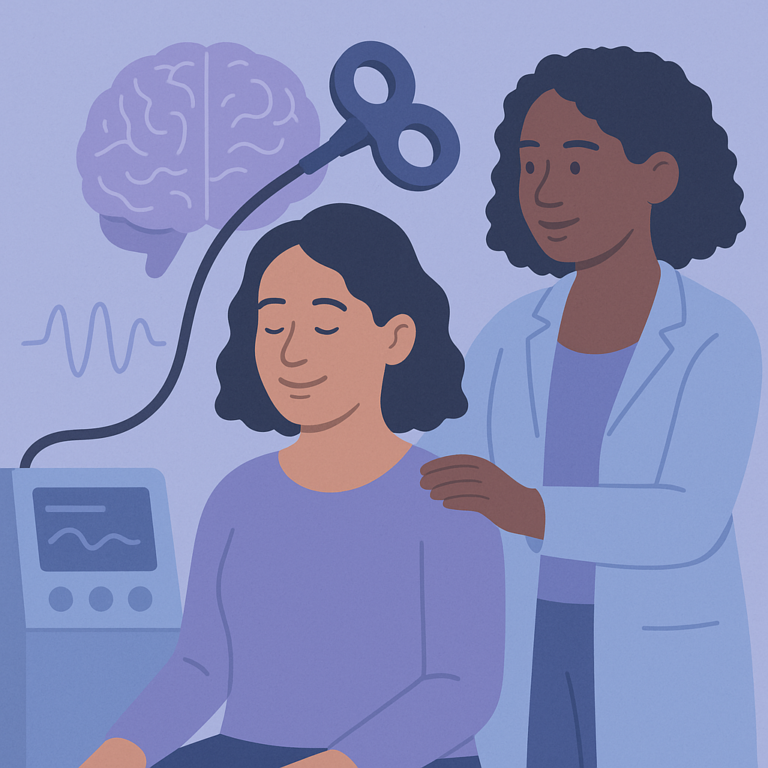
This study looked at how low-frequency repetitive transcranial magnetic stimulation (LF-rTMS) affects cognitive function and epileptiform discharges in people with epilepsy.
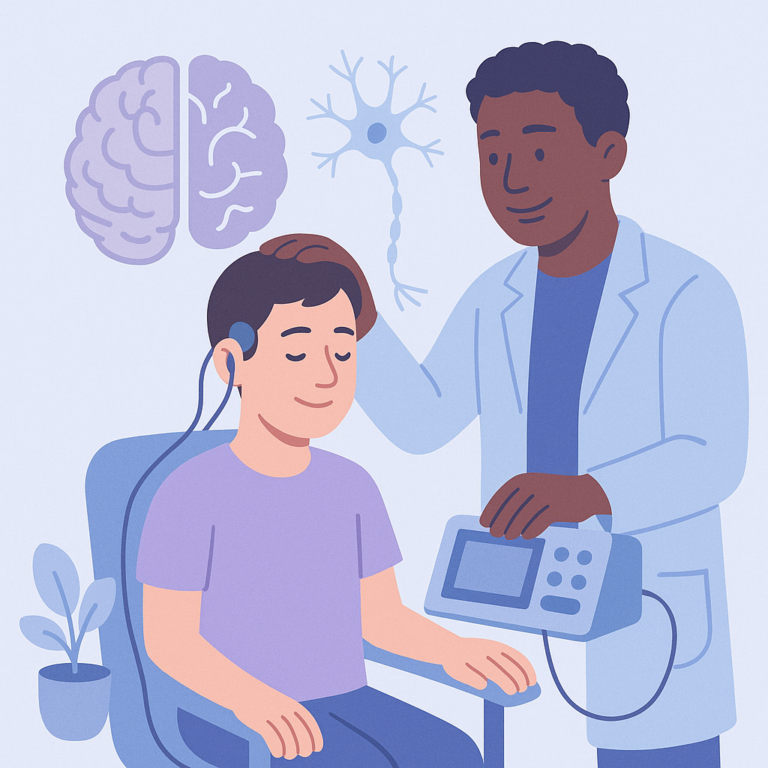
Researchers studied children with severe epilepsy who underwent a procedure called hemispherectomy, where one side of the brain is removed or disconnected to control seizures.
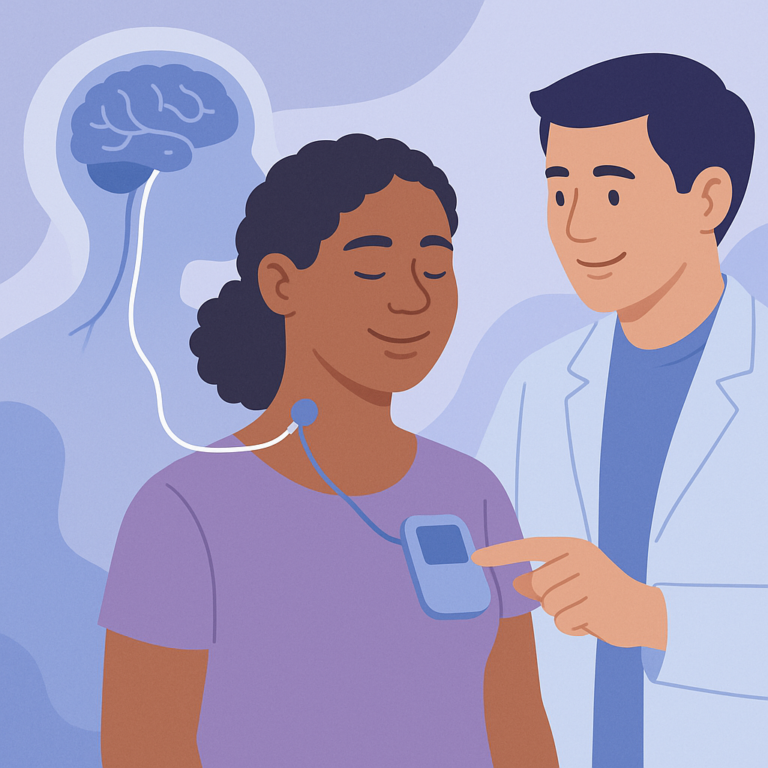
Researchers studied the use of right vagal nerve stimulation (R-VNS) as a treatment for epilepsy, focusing on patients who had not responded well to other therapies.
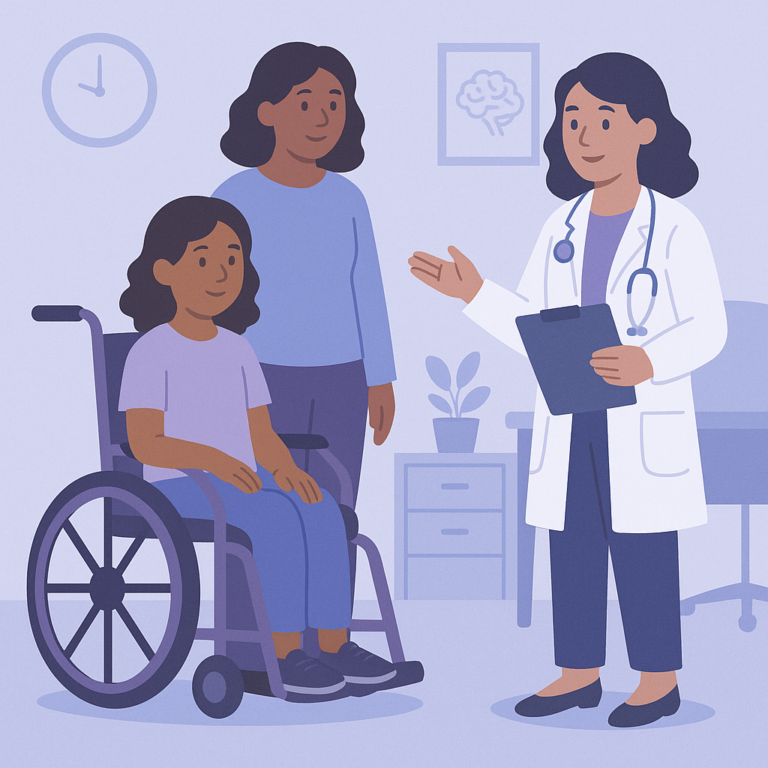
This study looked at pediatric movement disorders (MDs) in children and teenagers aged 0-18 years at a specialized clinic in Bogotá, Colombia.
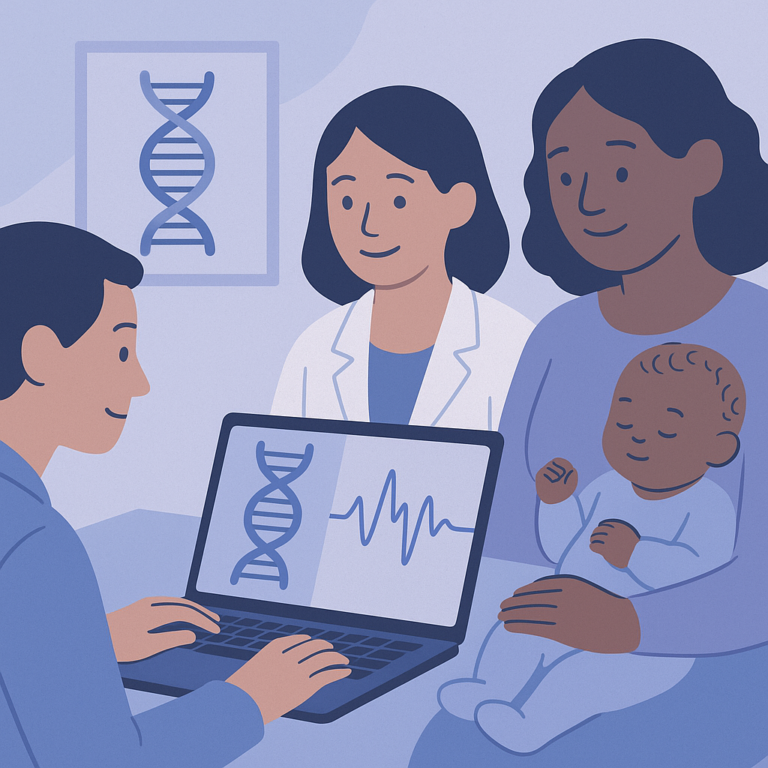
Researchers studied infants with unexplained epilepsy, particularly those who had undergone rapid genome sequencing that did not provide clear answers.
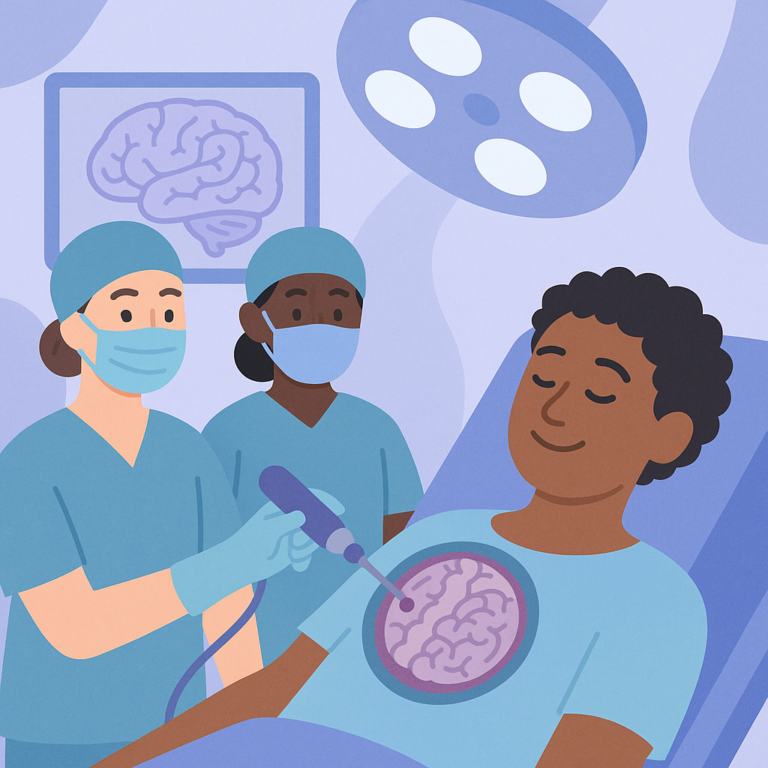
This study focused on the effects of brain surgery for people with epilepsy caused by a condition called polymicrogyria (PMG).
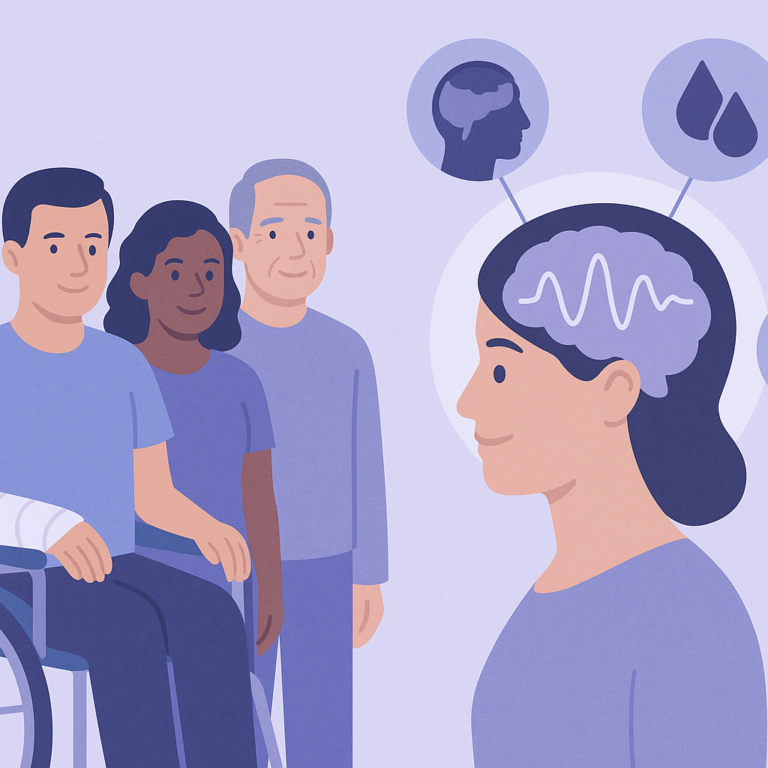
This study looked at the risk factors for post-traumatic seizures (PTS) in adults who have experienced traumatic brain injuries (TBI).
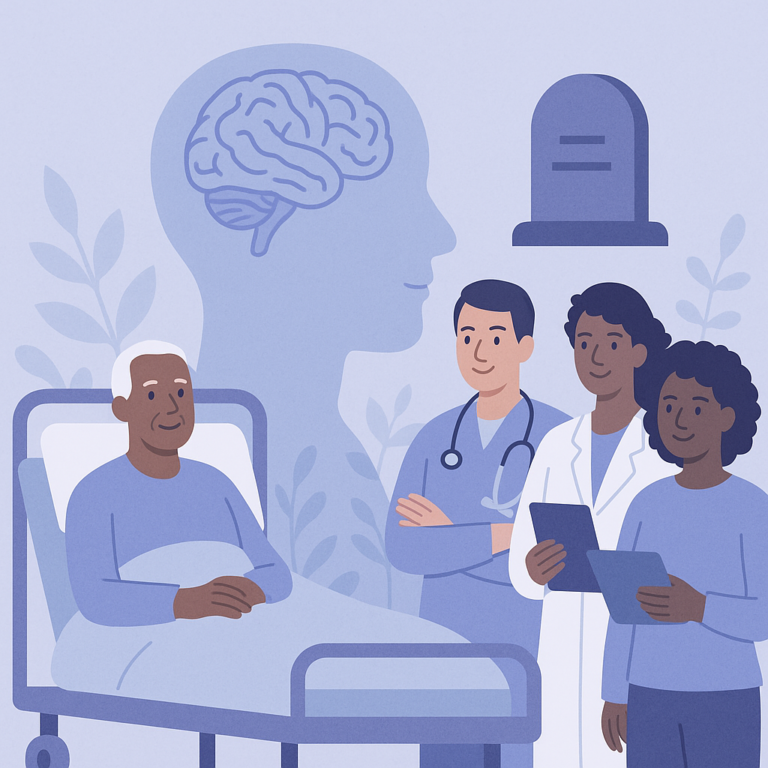
This study looked at whether patient-reported outcome measures (PROMs) can help predict the risk of death in adults with various neurological conditions, including epilepsy.
A study was conducted to look at how effective vagus nerve stimulation (VNS) is for treating children with hard-to-control epilepsy, specifically those who have myoclonic seizures.