SCA10 Patients Show Brain Connectivity Changes and Atrophy
This study looked at people with spinocerebellar ataxia type 10 (SCA10), a rare genetic condition that affects movement and can cause seizures.
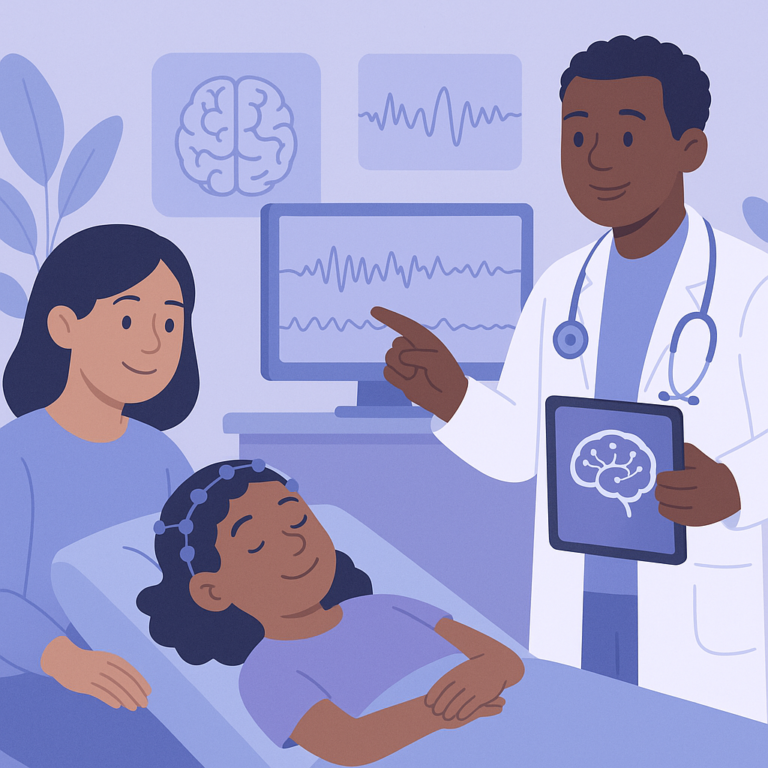
This hub covers epilepsy EEG and MRI: how EEGs and brain imaging help doctors understand seizure patterns and possible causes. Clear explanations of common findings and what research suggests.
Yes. EEGs are a snapshot. Some people need repeat EEGs, sleep-deprived EEGs, or long-term monitoring.
Not always. It raises suspicion and risk, but diagnosis still depends on the full story.
To look for structural causes like scars, malformations, tumors, and stroke-related changes, which can guide treatment.
An inpatient or extended study that records EEG and video together to match symptoms to brain activity.
This study looked at people with spinocerebellar ataxia type 10 (SCA10), a rare genetic condition that affects movement and can cause seizures.
Researchers studied how children with movement disorders, specifically those with severe muscle stiffness (known as hypertonia), are evaluated before undergoing neurosurgery.
Researchers studied the use of a specific type of brain monitoring called thalamic stereoEEG in people with epilepsy.
Researchers studied 47 patients with drug-resistant temporal lobe epilepsy and hippocampal sclerosis who were undergoing surgery to help control their seizures.
Researchers studied the effectiveness of using common clinical characteristics to predict the results of genetic testing in adults with epilepsy.
This study focused on a rare genetic disorder called cyclin-dependent kinase-like 5 deficiency (CDD), which leads to severe epilepsy and developmental challenges.
This study looked at how well a machine learning software called P15 can detect interictal epileptiform discharges (IEDs) in EEG recordings from patients at a large hospital in England.
Researchers studied how different doses of antiseizure medication (ASM) affect the autonomic nervous system (ANS) in children with epilepsy.
Researchers looked at clinical trials for adult-type diffuse gliomas, a type of brain tumor, to see how seizures were reported.