Longer Epilepsy Duration Increases Brain Connectivity in Children
Researchers studied children with a type of epilepsy called self-limited epilepsy with centrotemporal spikes (SeLECTS) to see how their brain activity changes over time.
This hub covers epilepsy lifestyle and sleep: Everyday factors that can affect seizures including sleep, stress, routines, illness, and triggers. Research-backed steps families can actually use.
Triggers usually don’t “cause” epilepsy, but they can make seizures more likely in someone who already has it.
Sometimes. Ask your neurologist because sleep aids can interact with meds and seizure patterns.
Start by tracking a few fields: Sleep schedule, missed meds, illness, stress, seizures, rescue meds, and see if you need to add from there.
Often yes, and it can improve sleep and mood. The right plan depends on seizure type and safety needs.
Researchers studied children with a type of epilepsy called self-limited epilepsy with centrotemporal spikes (SeLECTS) to see how their brain activity changes over time.
This study looked at how progressive muscle relaxation exercises affect stress, fatigue, and quality of life in people with epilepsy.
A recent study looked at how executive function (EF) deficits affect Malaysian children with epilepsy.
This study looked at children with drug-resistant epilepsy (DRE) who had surgery to stop their seizures.
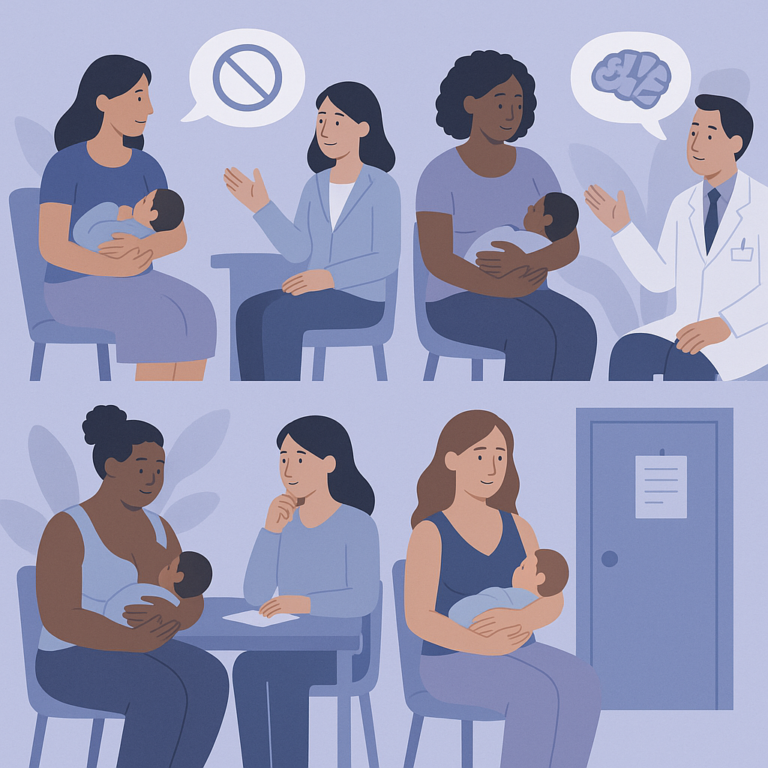
This study looked at the challenges that healthcare providers face when counseling women with epilepsy about breastfeeding.
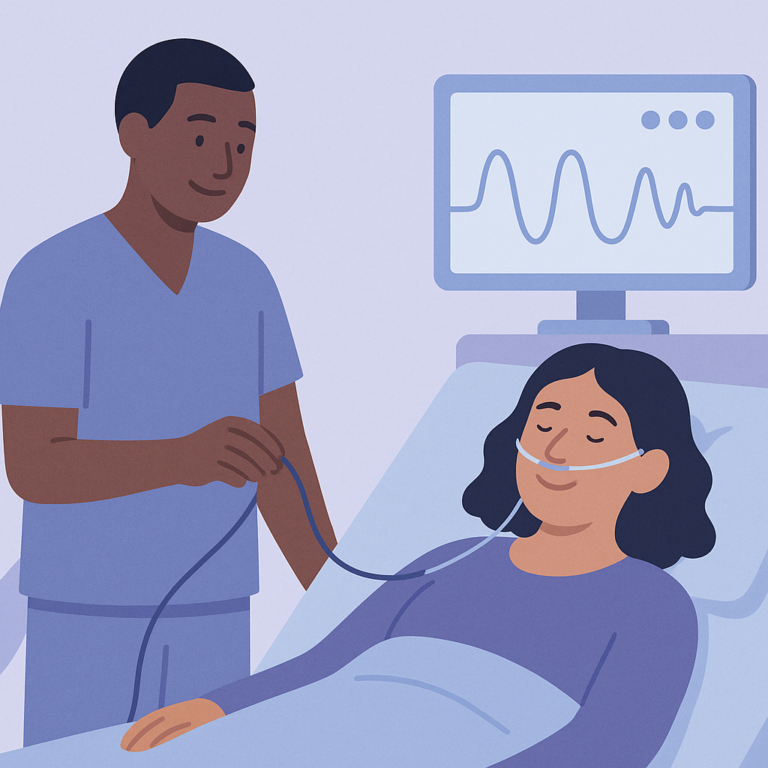
Researchers studied how breathing patterns before seizures might relate to low oxygen levels after generalized convulsive seizures (GCS) in people with epilepsy.
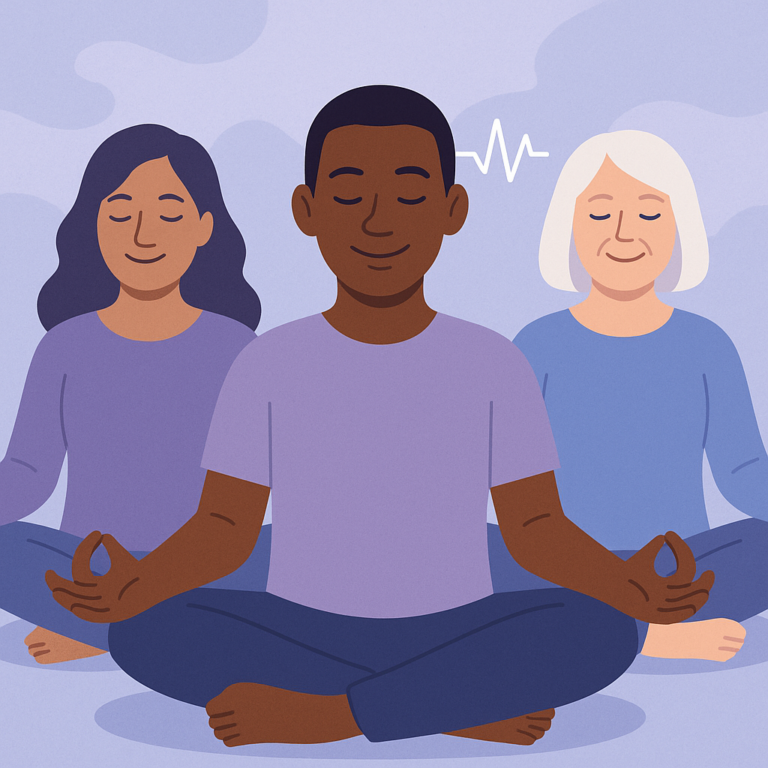
Researchers studied the effects of meditation on people with epilepsy to see how it might help manage the condition.
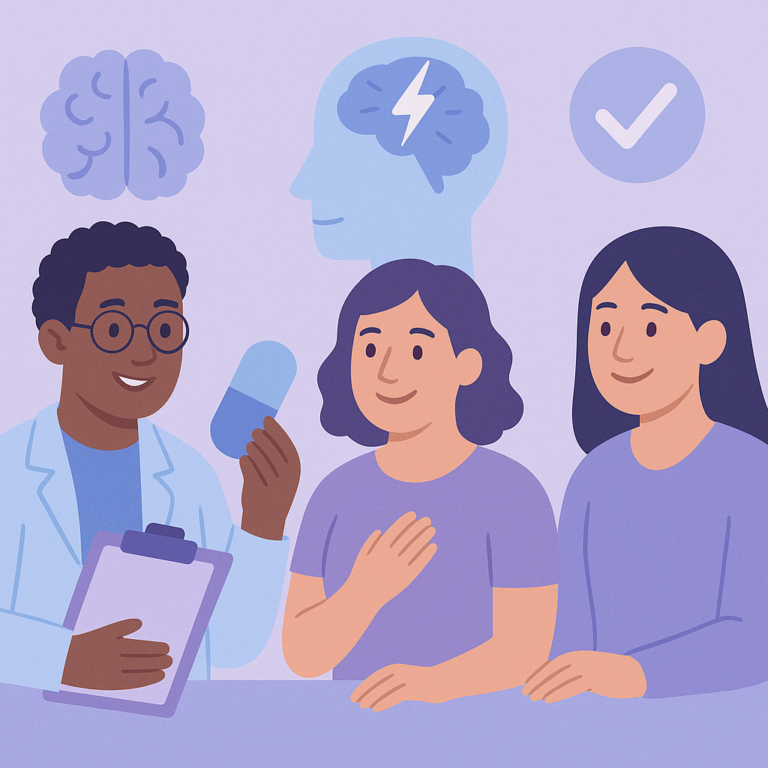
Researchers studied the relationship between strokes and the development of epilepsy, focusing on patients who experienced either ischaemic strokes (blockages in blood flow) or intracranial hemorrhages (bleeding in the brain).
This study looked at how epilepsy affects sleep in children and teenagers.