Dog Epilepsy May Offer Clues Beyond The Brain
This paper was a scoping review, which means the authors gathered and summarized earlier studies rather than testing a treatment themselves.
This hub covers epilepsy lifestyle and sleep: Everyday factors that can affect seizures including sleep, stress, routines, illness, and triggers. Research-backed steps families can actually use.
Triggers usually don’t “cause” epilepsy, but they can make seizures more likely in someone who already has it.
Sometimes. Ask your neurologist because sleep aids can interact with meds and seizure patterns.
Start by tracking a few fields: Sleep schedule, missed meds, illness, stress, seizures, rescue meds, and see if you need to add from there.
Often yes, and it can improve sleep and mood. The right plan depends on seizure type and safety needs.
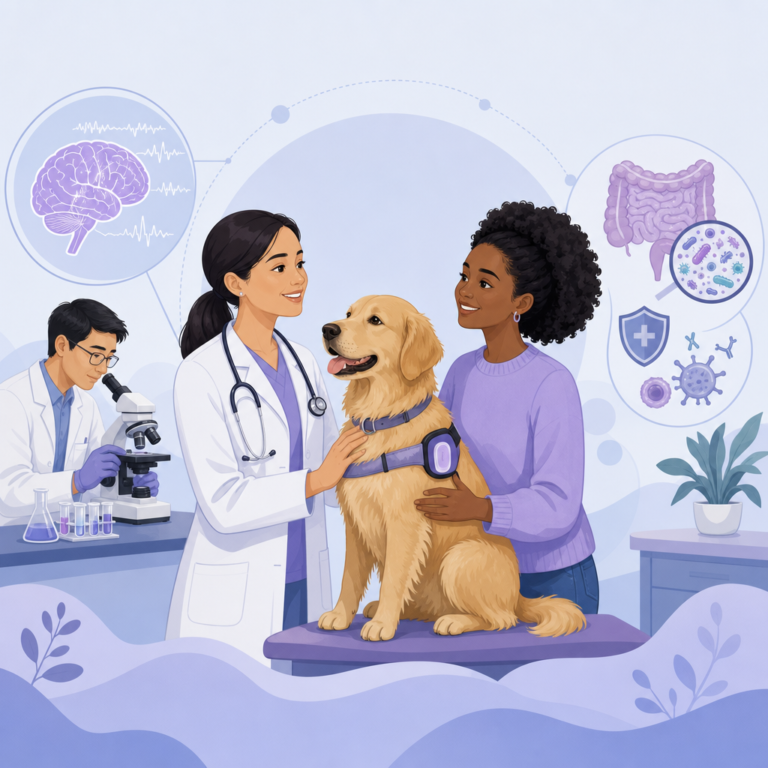
This paper was a scoping review, which means the authors gathered and summarized earlier studies rather than testing a treatment themselves.

Researchers used a nationwide Korean health insurance database from 2002 to 2013 to study whether people with newly diagnosed epilepsy were more likely to later be diagnosed with a sleep disorder.
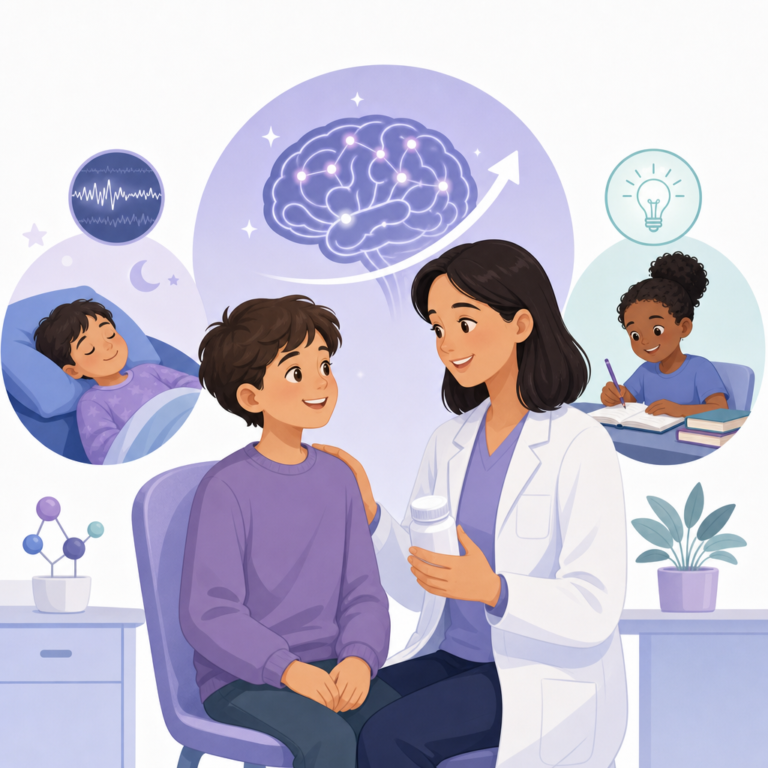
This study looked at children with developmental and/or epileptic encephalopathy with spike-wave activation in sleep (D/EE-SWAS), a rare paediatric epileptic encephalopathy in which epileptiform discharges become markedly activated during non-REM sleep and can be linked with seizures and neurocognitive regression.
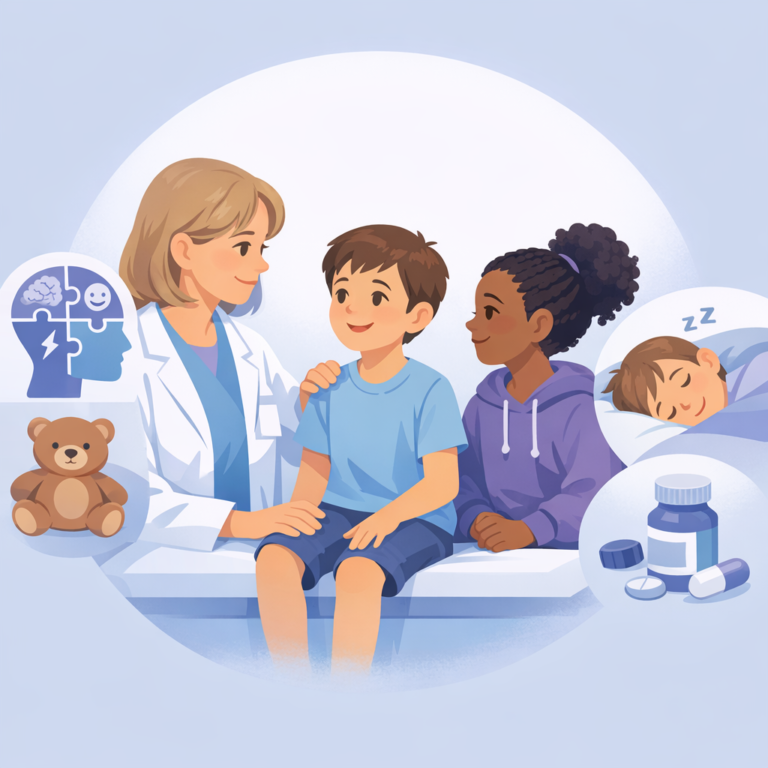
This study looked at how common neurodevelopmental, psychiatric, and sleep conditions were, alone and in combination, among children with “active” epilepsy.
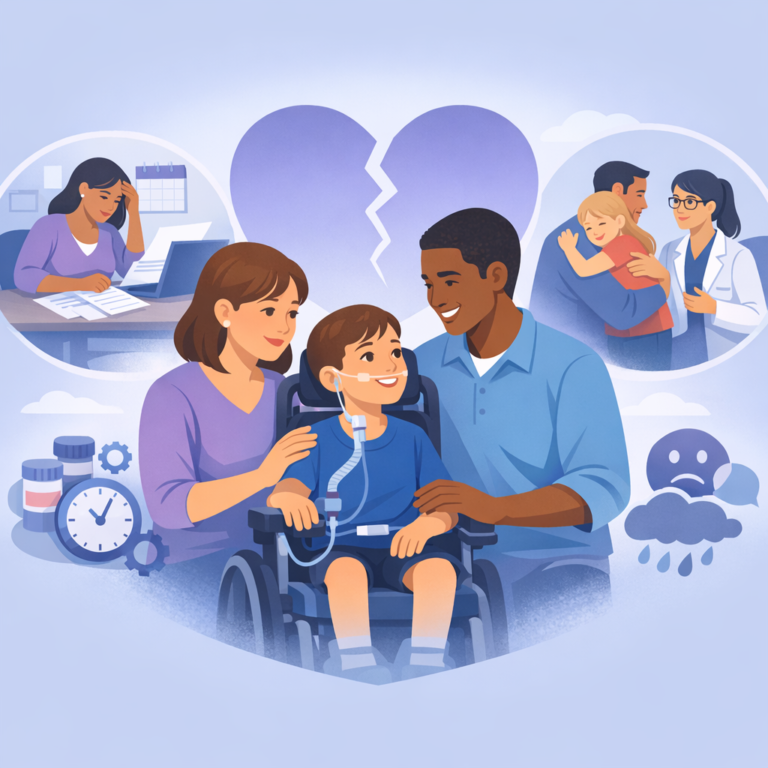
This paper was a scoping review, which means the authors gathered and mapped existing research rather than testing one treatment.

Researchers examined KCNA2 variants in people with epilepsy, with special attention to spike-and-wave activation in sleep (SWAS), an EEG pattern seen during sleep.
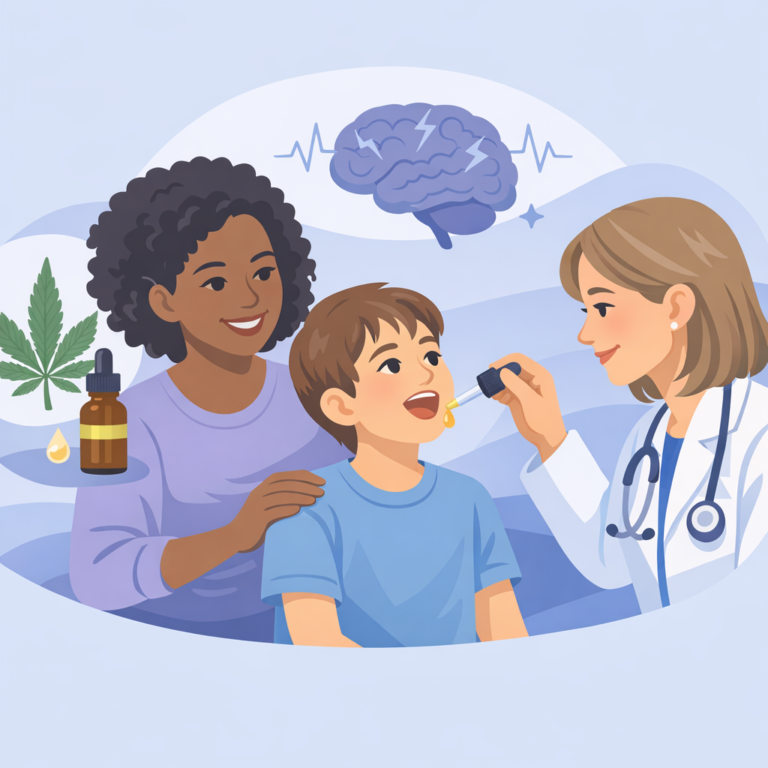
This was a small early study of prescription cannabidiol (CBD, brand name Epidiolex) in 12 children and teens with refractory epilepsy.
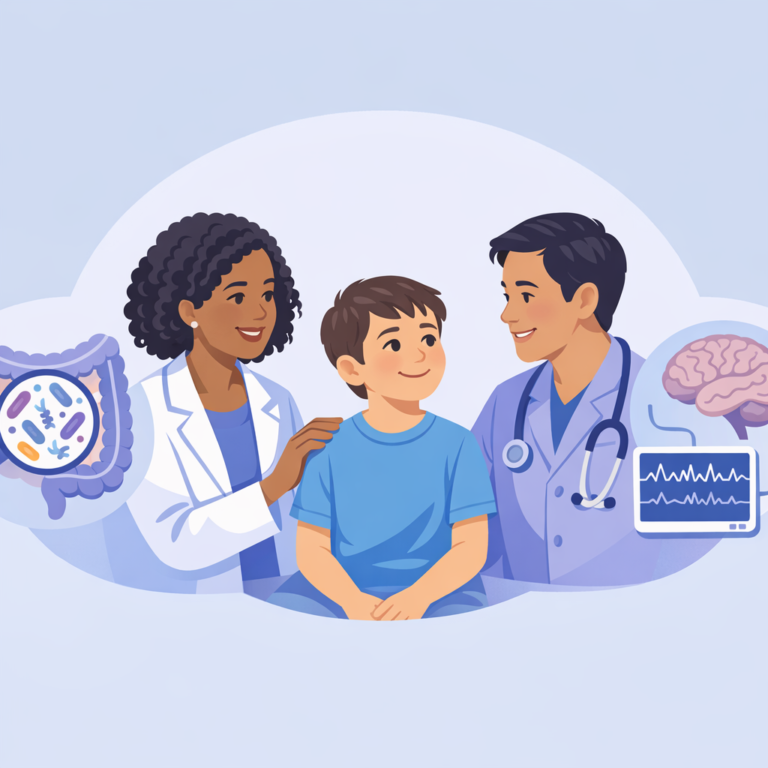
This study looked at gut bacteria in children with new-onset epilepsy before they started seizure medicine.
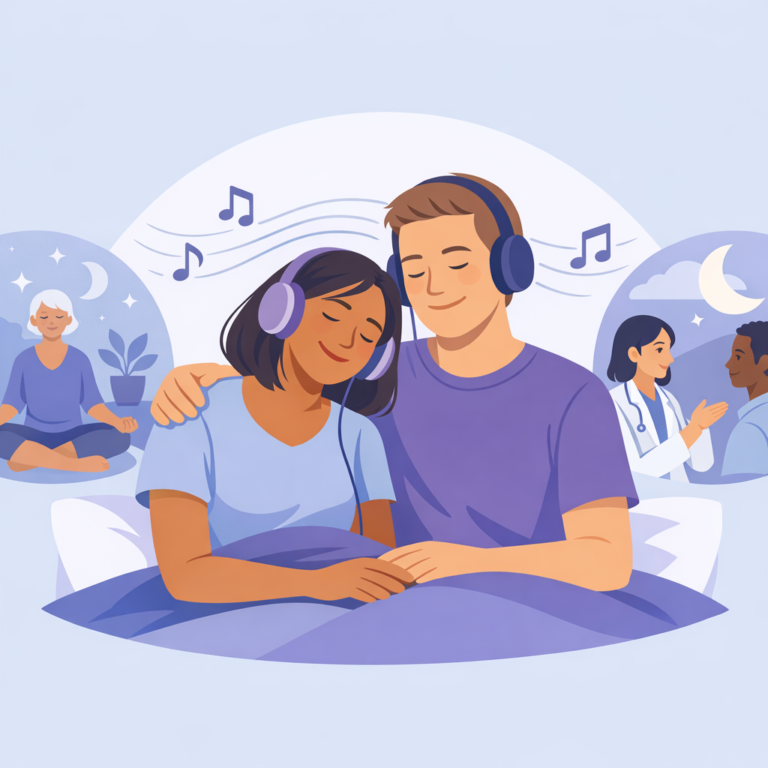
This study looked at whether personalized music played all night might help children with epilepsy.