Lifestyle & Sleep

This hub covers epilepsy lifestyle and sleep: Everyday factors that can affect seizures including sleep, stress, routines, illness, and triggers. Research-backed steps families can actually use.

What you’ll find in this topic:

  • Plain-language summaries of new epilepsy studies
  • What the research means for real life
  • Practical questions to ask your neurologist
  • Related topics you can explore next

Lifestyle & Sleep: What Families Usually Want to Know

  • Why sleep is one of the biggest seizure β€œlevers”
  • Stress, routines, illness, and missed meds as common triggers
  • Teen sleep, screens, and irregular schedules
  • What tracking actually helps (and what’s noise)

Common Epilepsy Lifestyle Terms in Plain English

  • Trigger: Something that makes seizures more likely (not always consistent)
  • Sleep deprivation: Less sleep than your brain needs (can lower seizure threshold)
  • Circadian rhythm: Your body’s internal clock (sleep timing matters)
  • Adherence: Taking meds consistently (one of the biggest controllable factors)
  • Seizure diary: Simple tracking that helps patterns emerge over time

Lifestyle & Sleep FAQ

Do triggers cause epilepsy?

Triggers usually don’t β€œcause” epilepsy, but they can make seizures more likely in someone who already has it.

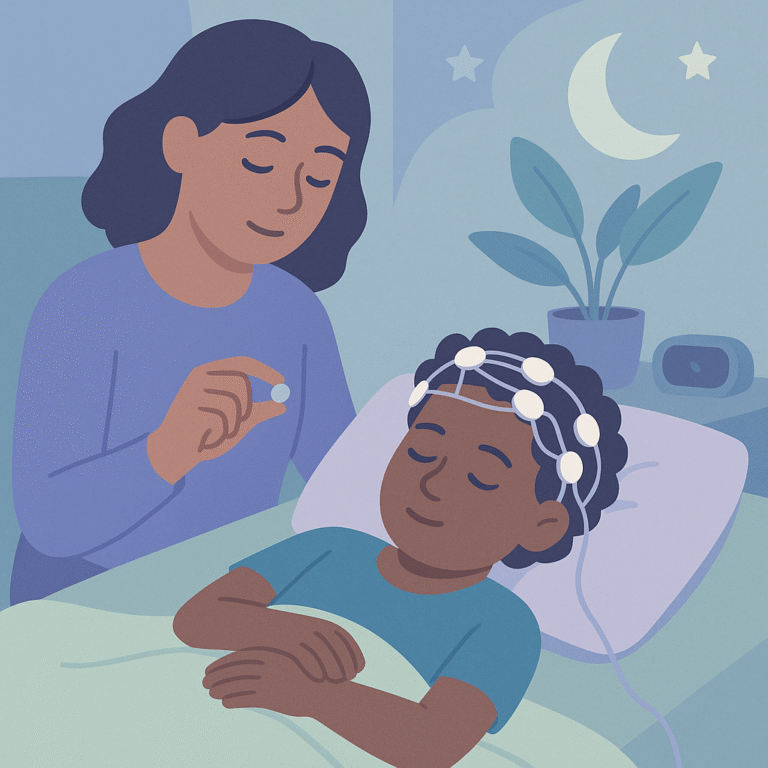
Is melatonin safe?

Sometimes. Ask your neurologist because sleep aids can interact with meds and seizure patterns.

Should we track everything?

Start by tracking a few fields: Sleep schedule, missed meds, illness, stress, seizures, rescue meds, and see if you need to add from there.

Does exercise help?

Often yes, and it can improve sleep and mood. The right plan depends on seizure type and safety needs.