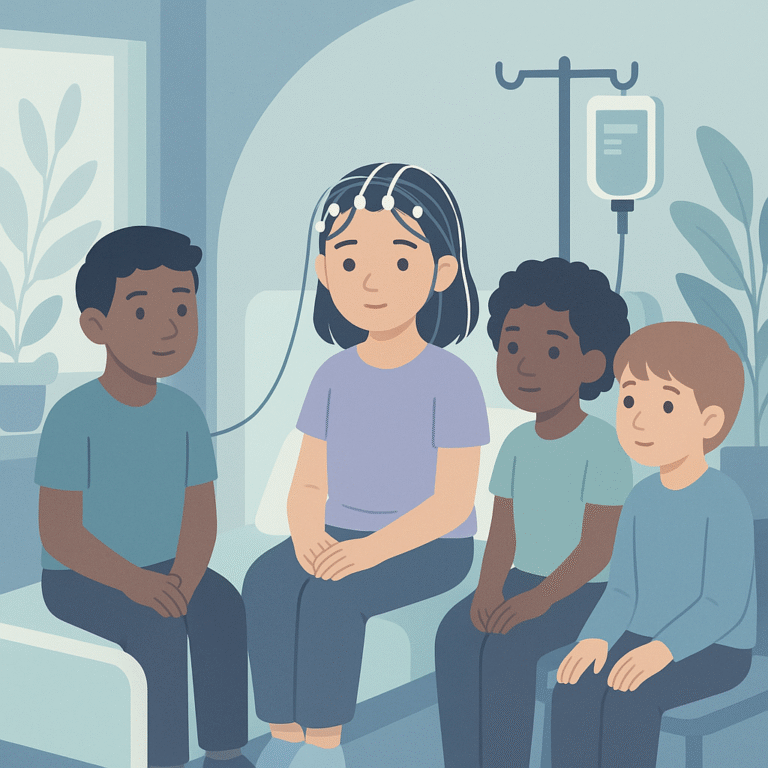
Children’s Views on Long-Term Monitoring for Epilepsy
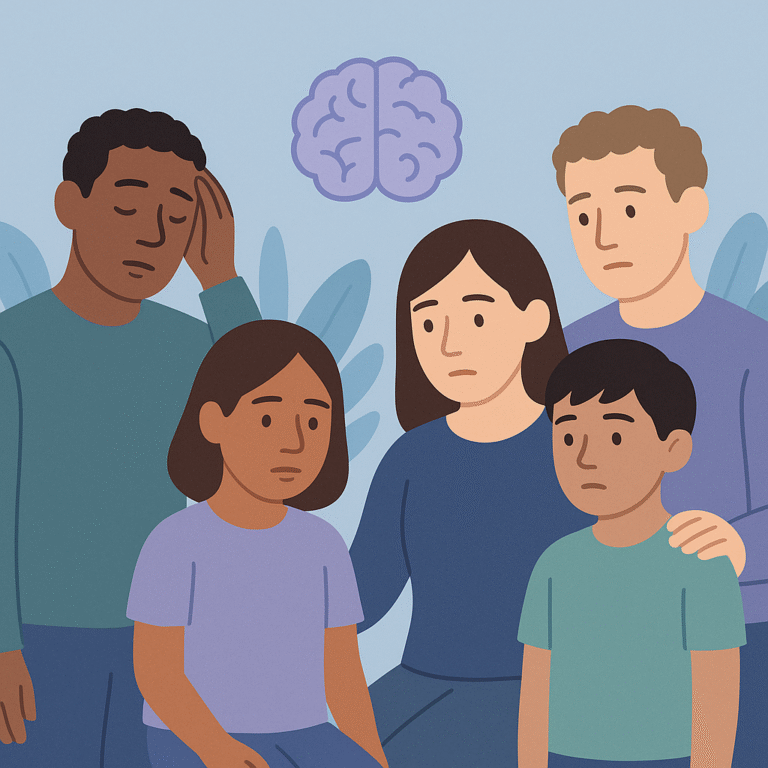
This study looked at how children aged 8 to 17 experience long-term video-electroencephalography monitoring (LTVEM), a procedure used to diagnose epilepsy when medications donβt work.
This hub covers epilepsy lifestyle and sleep: Everyday factors that can affect seizures including sleep, stress, routines, illness, and triggers. Research-backed steps families can actually use.
Triggers usually donβt βcauseβ epilepsy, but they can make seizures more likely in someone who already has it.
Sometimes. Ask your neurologist because sleep aids can interact with meds and seizure patterns.
Start by tracking a few fields: Sleep schedule, missed meds, illness, stress, seizures, rescue meds, and see if you need to add from there.
Often yes, and it can improve sleep and mood. The right plan depends on seizure type and safety needs.
This study looked at how children aged 8 to 17 experience long-term video-electroencephalography monitoring (LTVEM), a procedure used to diagnose epilepsy when medications donβt work.
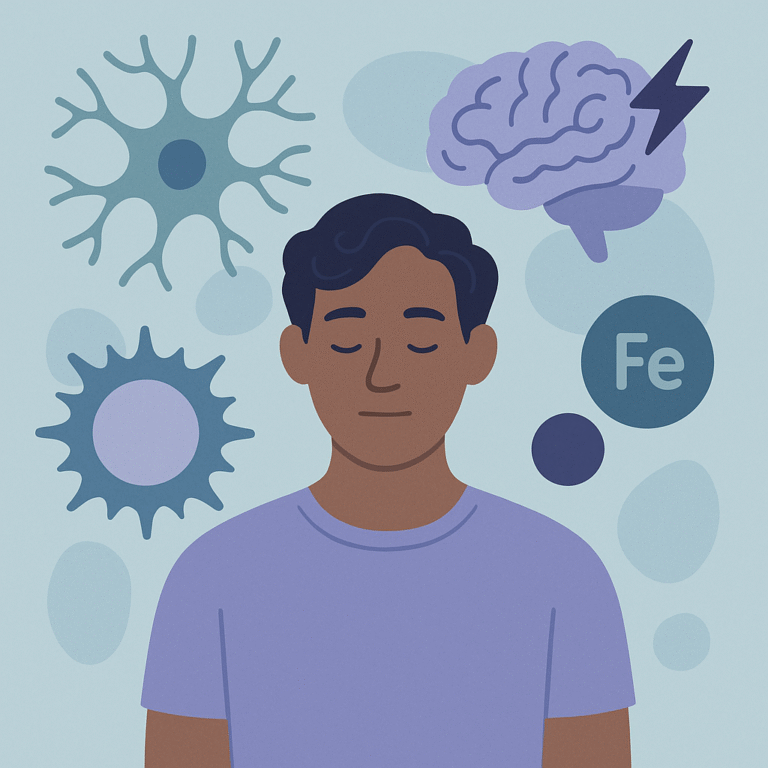
This study focused on understanding the role of microglia, a type of immune cell in the brain, in temporal lobe epilepsy (TLE), which is a common and hard-to-treat form of epilepsy.
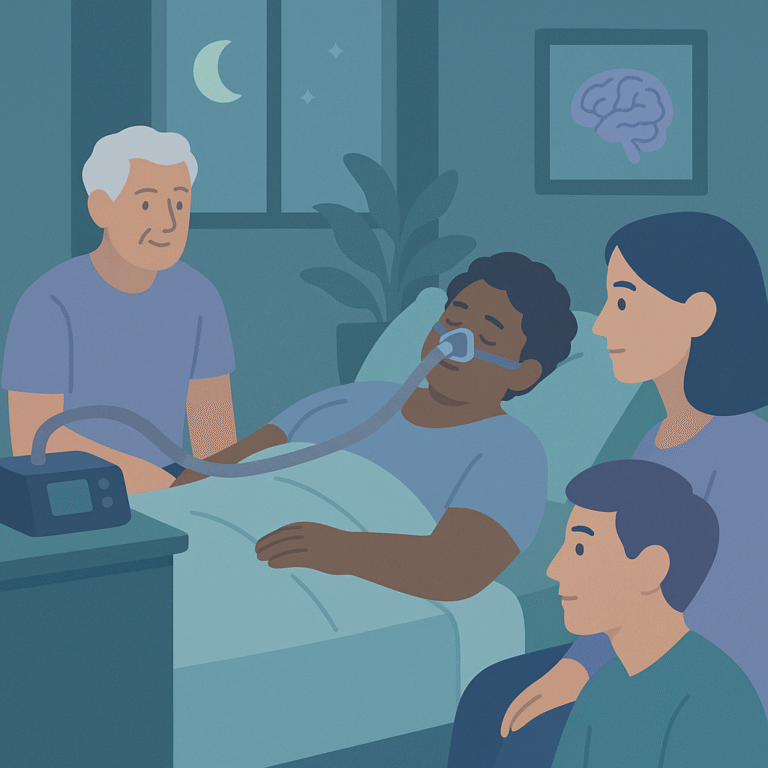
This study looked at how respiratory arousal threshold (rAT) affects patients with epilepsy who also have obstructive sleep apnea (OSA).
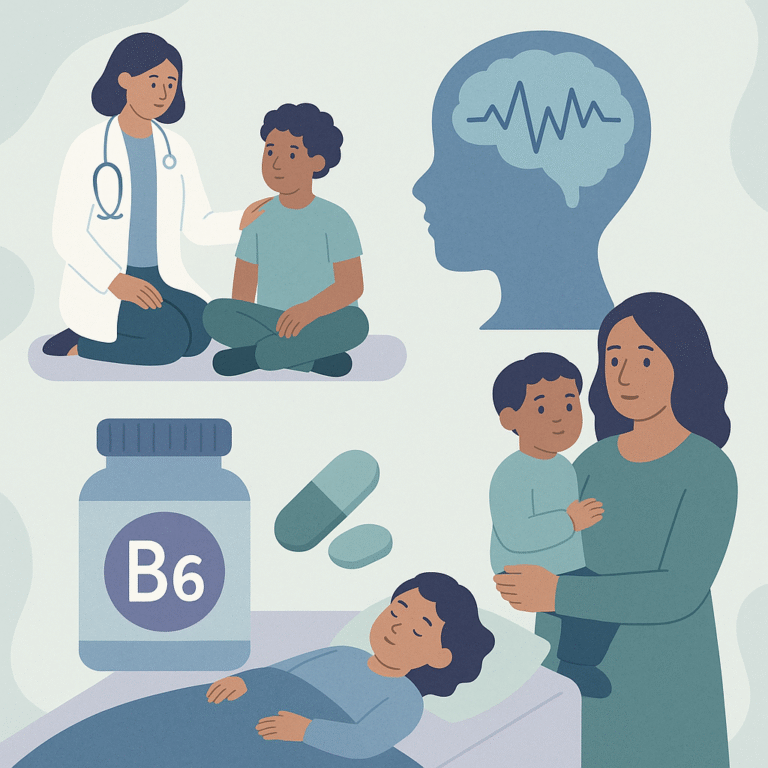
Researchers examined the effectiveness of different treatment approaches for pyridoxine-dependent epilepsy (PDE), a rare condition caused by genetic mutations.
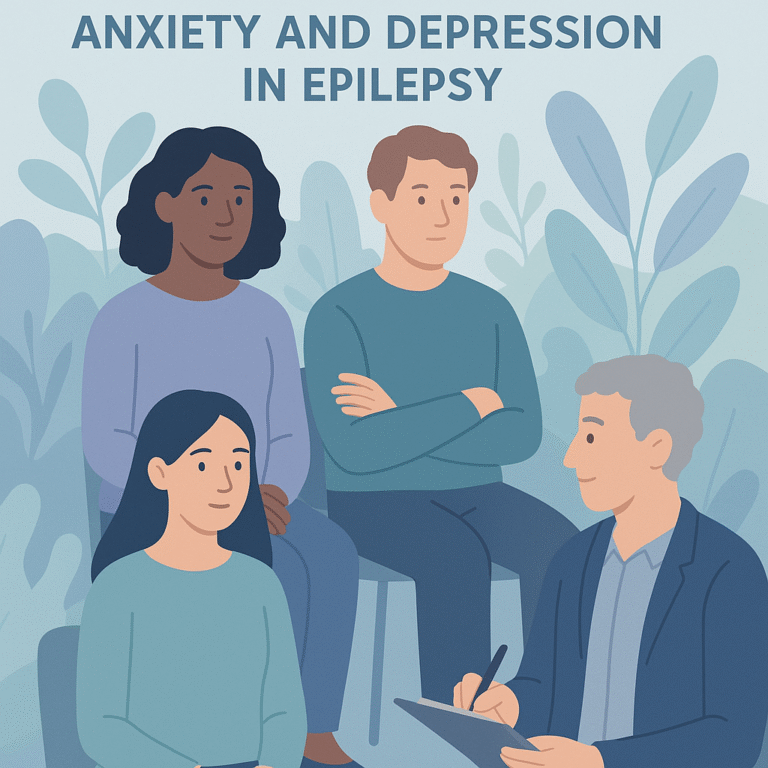
Researchers conducted a systematic review and network meta-analysis to compare the effectiveness of various non-drug treatments for anxiety, depression, and quality of life in people with epilepsy.
Researchers studied how neurocognitive issues, behavior problems, and the treatment process affect stress levels in parents of children with epilepsy.
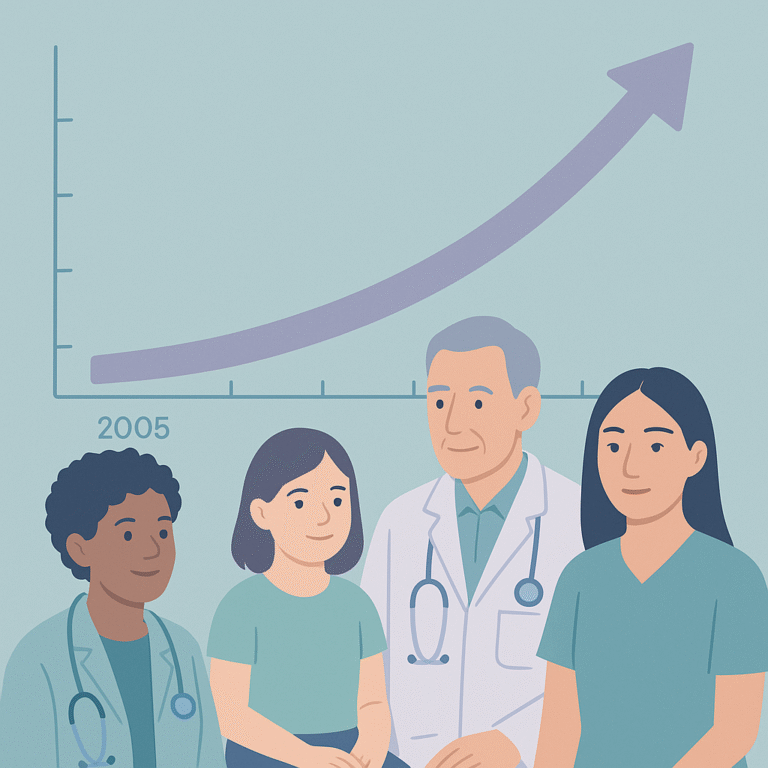
Researchers conducted a study to analyze trends in pediatric epilepsy treatment research from 2005 to 2025.
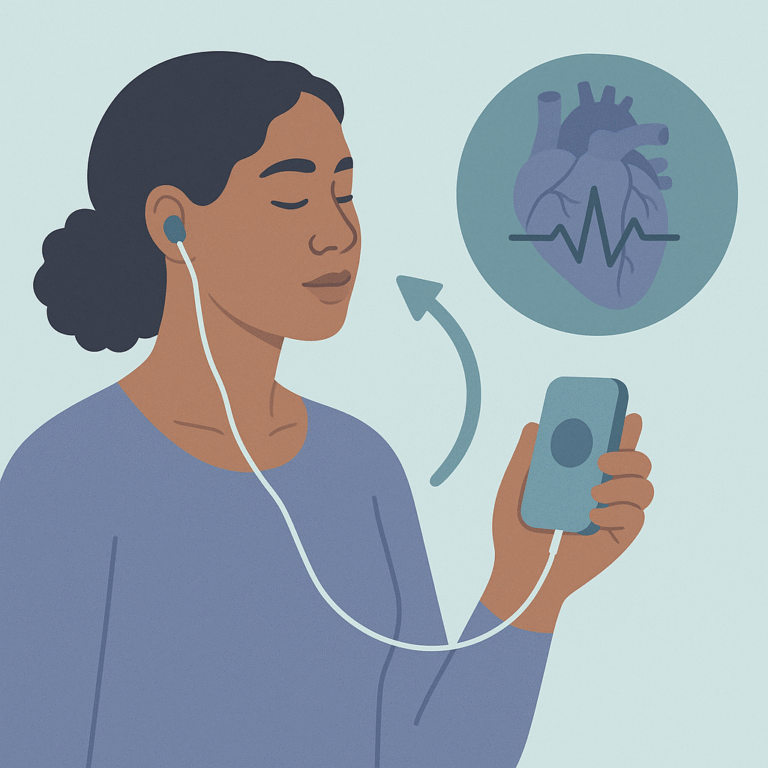
Researchers examined a case involving a 41-year-old man who had epilepsy and was using a vagus nerve stimulation (VNS) device to help manage his seizures.
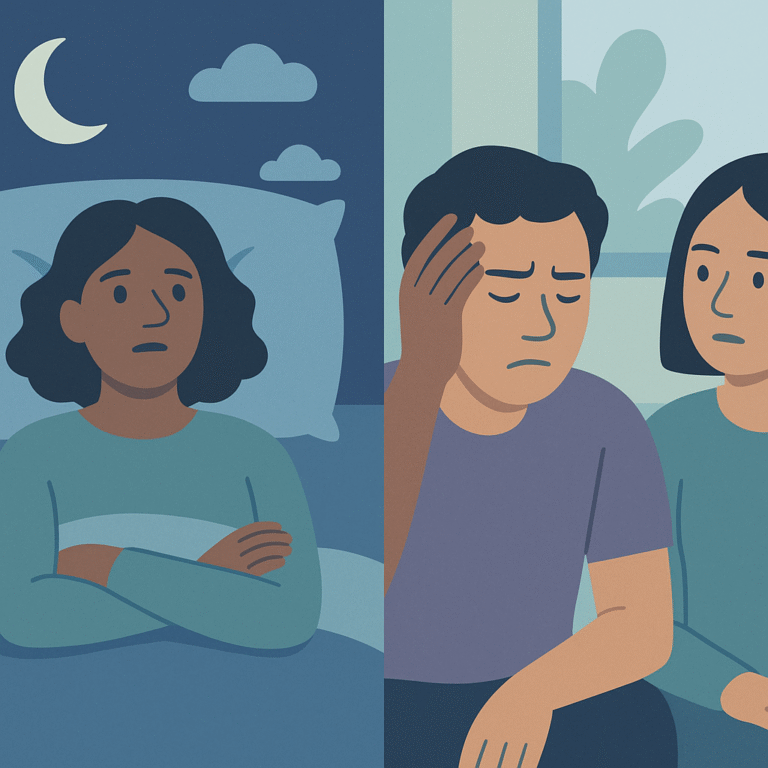
Researchers studied how sleep-related disruptions (SRD) affect attention in people with temporal lobe epilepsy (TLE).