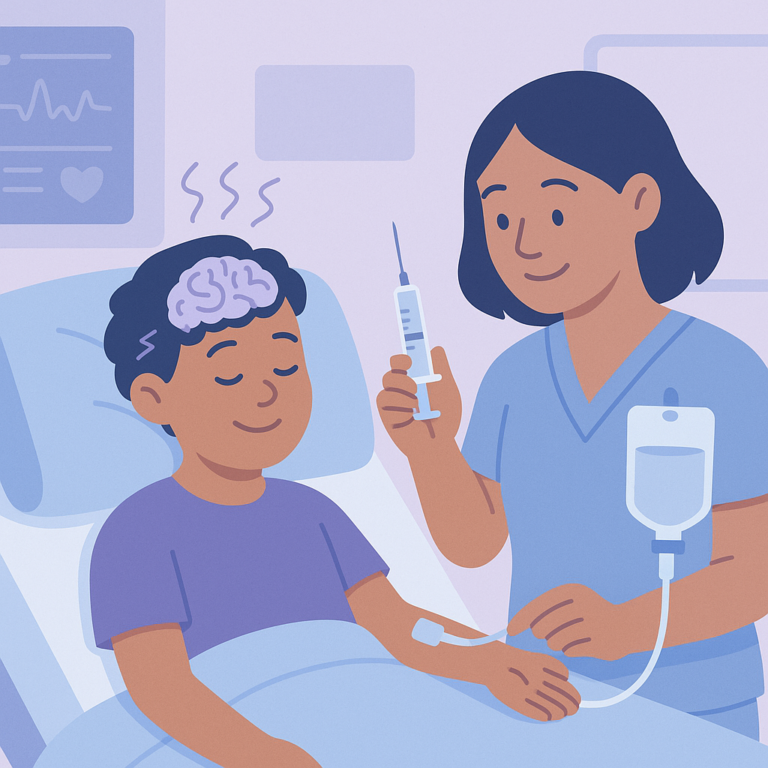
Lidocaine Shows Promise for Treating Pediatric FIRES Seizures
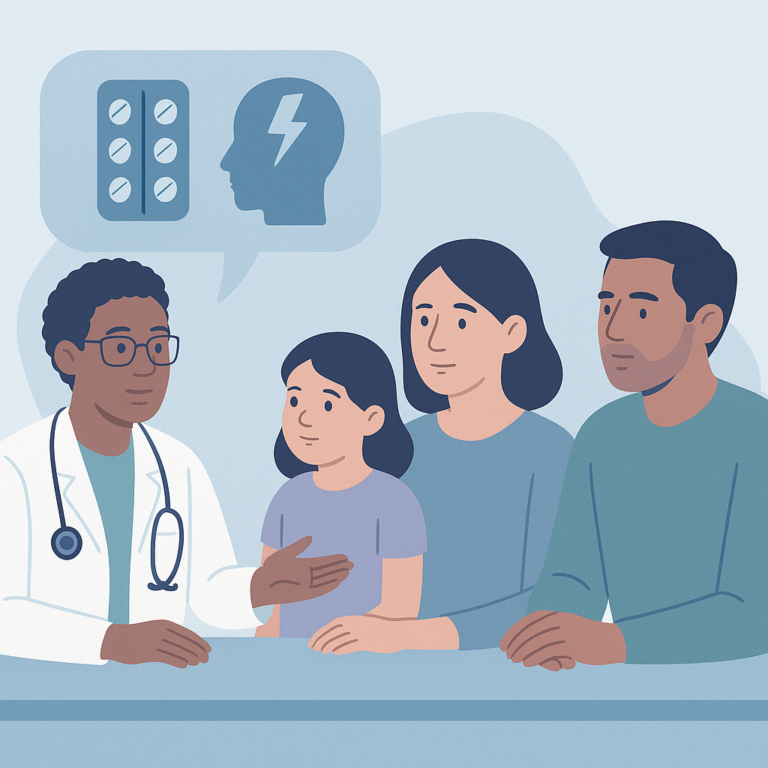
Researchers studied a 5-year-and-11-month-old boy who developed a severe form of epilepsy called febrile infection-related epilepsy syndrome (FIRES) after a fever.
This hub covers pediatric epilepsy in infants, kids, and teens, including diagnosis, syndromes, development, school plans, and safety. New studies translated into clear takeaways for parents.
Usually when two appropriate medications haven’t controlled seizures.
Many families benefit and it depends on seizure frequency, medications, and learning needs.
Often yes, with smart precautions. Ask your neurologist or epileptologist about your child’s specific risks.
Clusters, prolonged seizures, breathing trouble, new weakness, or major regression.
Researchers studied a 5-year-and-11-month-old boy who developed a severe form of epilepsy called febrile infection-related epilepsy syndrome (FIRES) after a fever.
This study looked at how children aged 5 to 6 years who had neonatal seizures (seizures that occur in newborns due to a specific cause) develop over time.
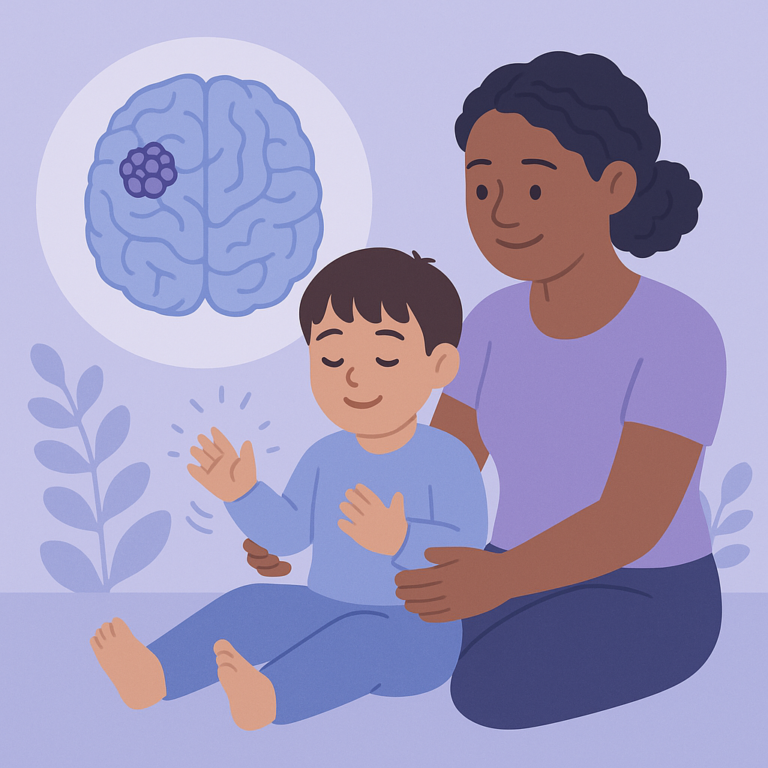
Researchers studied four girls with cerebral cavernous malformations (CCMs) to understand how these brain abnormalities can lead to a specific type of seizure called epileptic spasms.
Researchers studied how drug trials for Dravet syndrome, a severe form of epilepsy, are designed and who qualifies to participate in them.
Researchers studied a genetic condition called PPP2R1A-related neurodevelopmental disorders, which can lead to developmental delays, intellectual disabilities, epilepsy, and brain malformations.
Researchers studied how well single-item global rating scales (SIGRs) and multi-item scales (MISs) work in epilepsy research.
This study looked at 843 children in Brazil who were born with microcephaly related to Zika virus infection.
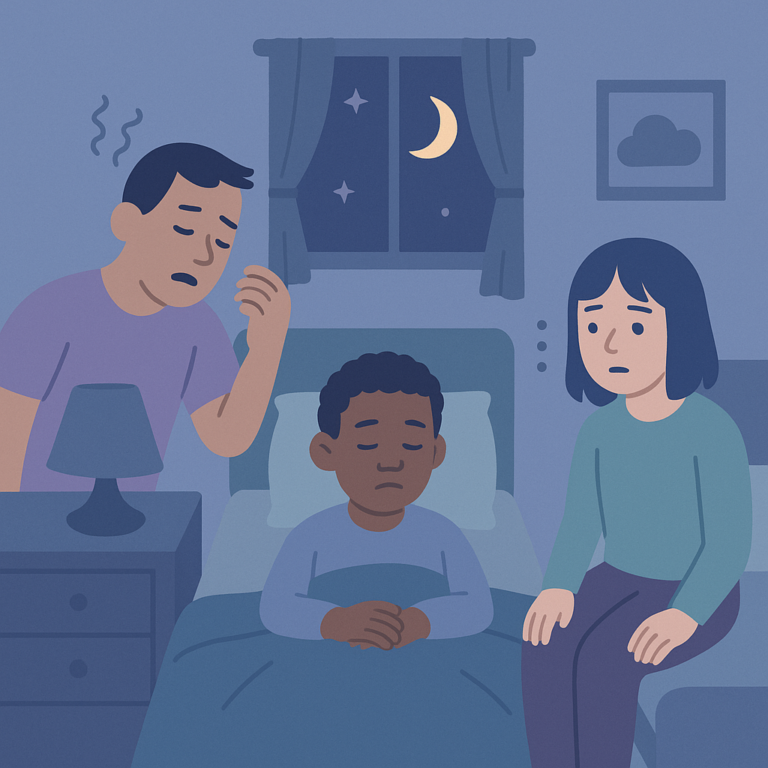
Researchers studied sleep patterns in people with Lennox-Gastaut syndrome (LGS), a severe form of epilepsy that affects development and causes multiple types of seizures.
Researchers studied two specific types of epilepsy syndromes called New-Onset Refractory Status Epilepticus (NORSE) and Febrile Infection-Related Epilepsy Syndrome (FIRES) in children.