Earlier Epilepsy Surgery May Improve Seizure Control In Children
This study looked at children with epilepsy who had brain surgery to try to stop their seizures.
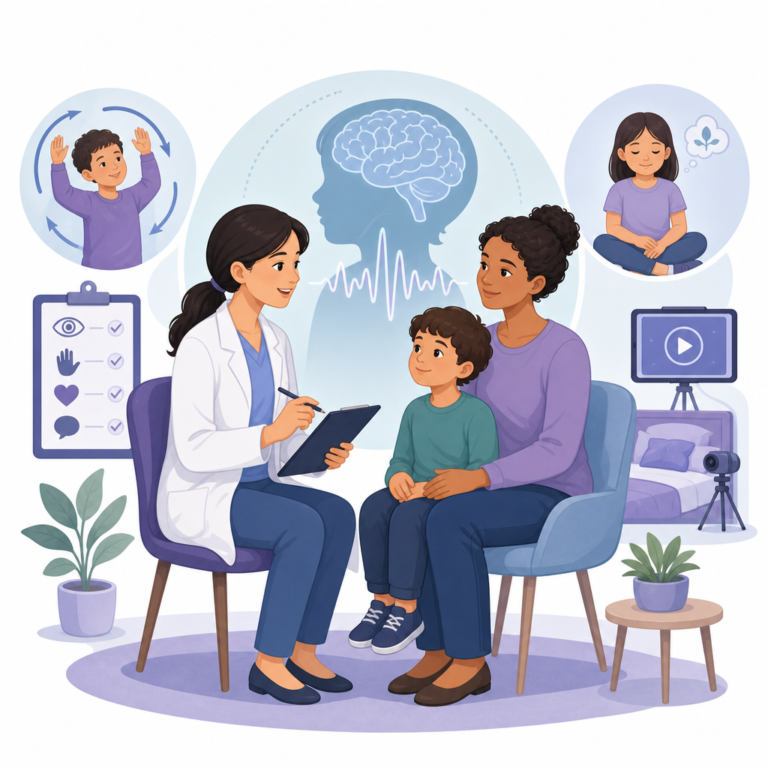
This hub covers pediatric epilepsy in infants, kids, and teens, including diagnosis, syndromes, development, school plans, and safety. New studies translated into clear takeaways for parents.
Usually when two appropriate medications haven’t controlled seizures.
Many families benefit and it depends on seizure frequency, medications, and learning needs.
Often yes, with smart precautions. Ask your neurologist or epileptologist about your child’s specific risks.
Clusters, prolonged seizures, breathing trouble, new weakness, or major regression.
This study looked at children with epilepsy who had brain surgery to try to stop their seizures.
This report describes one 8-year-old boy with brain injury from hypoxic-ischemic encephalopathy (HIE) who had both dystonia, which causes abnormal muscle tightness and movements, and epilepsy that did not respond to medicine.
This study looked at the ketogenic diet, a high-fat, low-carbohydrate diet, in 74 children with infantile epileptic spasms syndrome (IESS).
This paper reviewed research on stiripentol, a seizure medicine, in children with developmental and epileptic encephalopathies, or DEEs.
This study looked at whether certain blood antibodies linked to the immune system could be found in children with focal epilepsy.
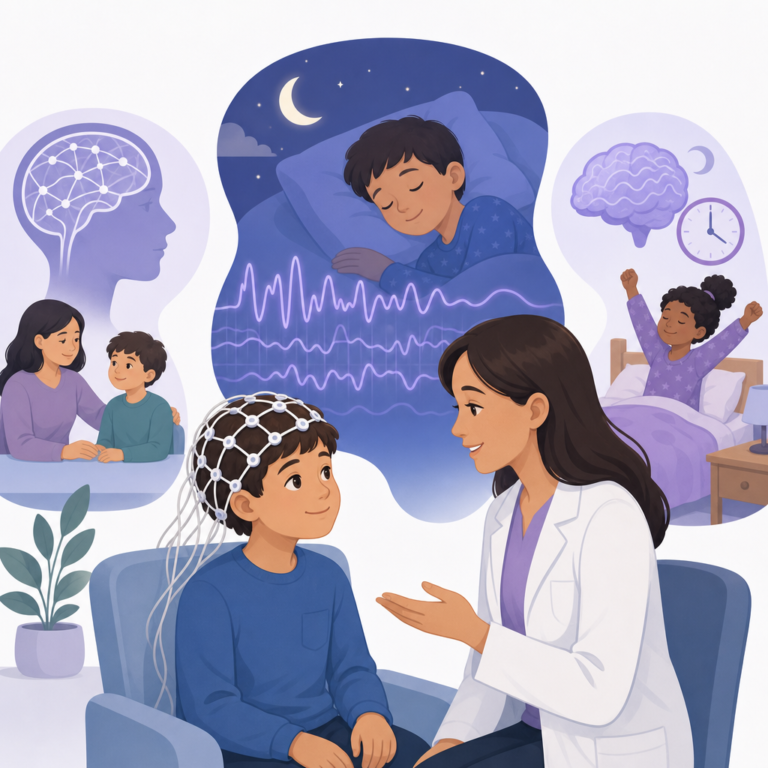
This study looked at whether personalized music played all night might help children with epilepsy.
This study looked at 16 children and young people in southern Turkey who had hyperekplexia, also called hereditary startle disease, a rare condition that is often mistaken for epilepsy.
This study looked at how long anti-seizure medicine should be continued after seizures caused by acute meningitis.
This study looked at whether education programs can help children with epilepsy take their anti-seizure medicines more regularly.