Ketogenic Diet More Effective for Children with Drug-Resistant Epilepsy
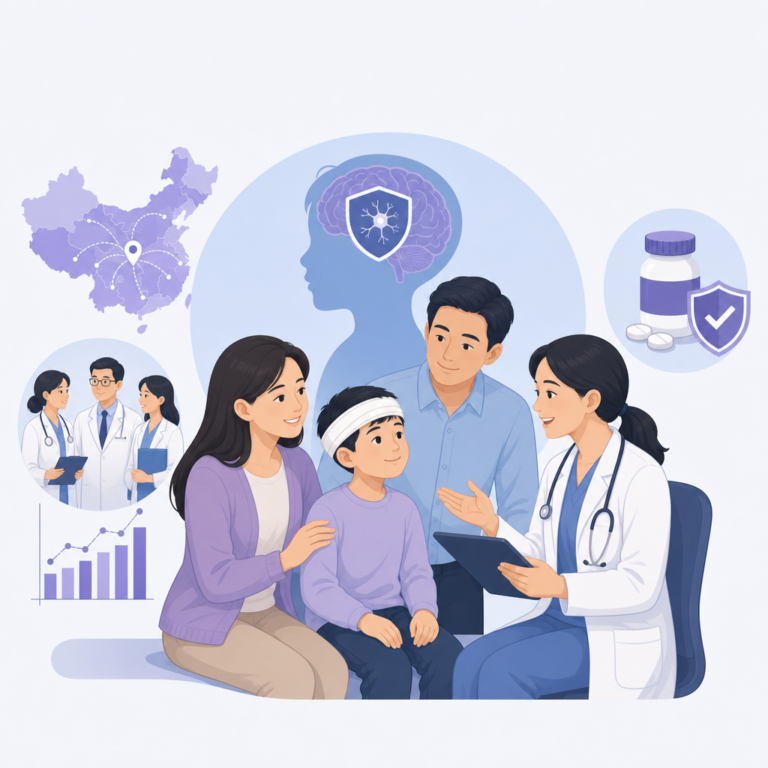
Researchers studied two diets, the classical ketogenic diet (CKD) and the modified Atkins diet (MAD), to see how well they help children with drug-resistant epilepsy (DRE).
This hub covers pediatric epilepsy in infants, kids, and teens, including diagnosis, syndromes, development, school plans, and safety. New studies translated into clear takeaways for parents.
Usually when two appropriate medications haven’t controlled seizures.
Many families benefit and it depends on seizure frequency, medications, and learning needs.
Often yes, with smart precautions. Ask your neurologist or epileptologist about your child’s specific risks.
Clusters, prolonged seizures, breathing trouble, new weakness, or major regression.
Researchers studied two diets, the classical ketogenic diet (CKD) and the modified Atkins diet (MAD), to see how well they help children with drug-resistant epilepsy (DRE).
Researchers studied children who experienced status epilepticus, a serious condition where seizures last a long time or occur one after another without recovery in between.
This study looked at the cognitive and social skills of 45 children and adolescents with temporal lobe epilepsy (TLE) and compared them to 56 healthy peers of similar age, gender, and schooling.
Researchers studied how different doses of antiseizure medication (ASM) affect the autonomic nervous system (ANS) in children with epilepsy.
This study looked at the role of genetic testing in children with expressive language delay (ELD), a condition where kids have trouble expressing themselves verbally.
A recent study looked at how much teachers know about asthma, type 1 diabetes, and epilepsy in children.
This study looked at how physical activity (PA) and sleep duration are connected in children and teenagers with disabilities.
Researchers studied the risk of febrile seizures in young children after receiving the measles vaccine.
This study looked at the use of MRI-guided laser therapy (MRgLITT) in 88 children and teenagers with various brain conditions, including epilepsy, brain tumors, and cavernous malformations.