Understanding Daily Life With Epilepsy in Western Countries
This study looked at the everyday experiences of adults living with epilepsy in Western countries.
This hub covers pediatric epilepsy in infants, kids, and teens, including diagnosis, syndromes, development, school plans, and safety. New studies translated into clear takeaways for parents.
Usually when two appropriate medications haven’t controlled seizures.
Many families benefit and it depends on seizure frequency, medications, and learning needs.
Often yes, with smart precautions. Ask your neurologist or epileptologist about your child’s specific risks.
Clusters, prolonged seizures, breathing trouble, new weakness, or major regression.

This study looked at the everyday experiences of adults living with epilepsy in Western countries.

Researchers studied how having both epilepsy and attention-deficit/hyperactivity disorder (ADHD) affects the thinking and learning abilities of children under 18 years old.
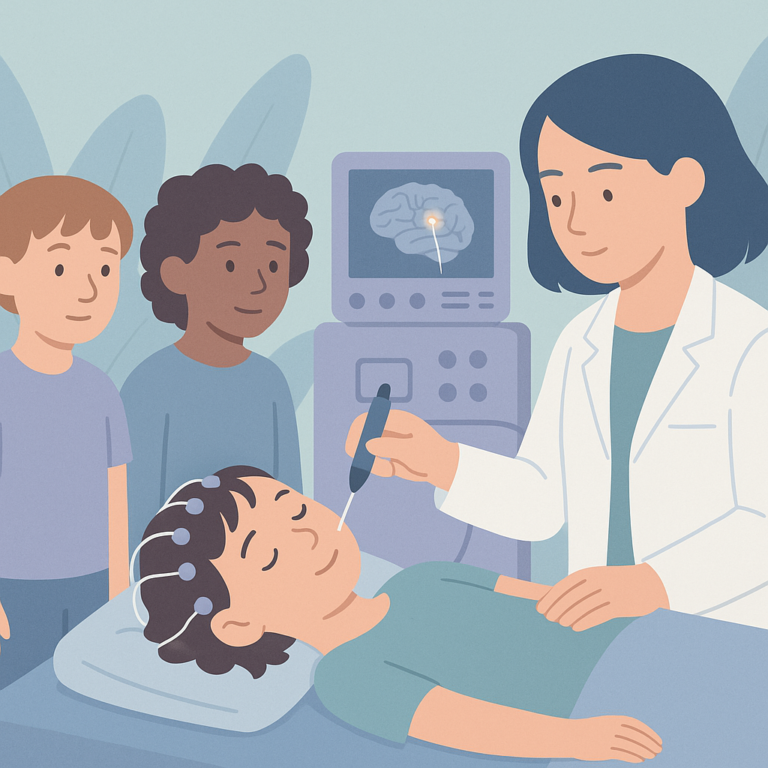
This study looked at the effects of a treatment called stereotactic MRI-guided laser ablation (SLA) on children with tuberous sclerosis complex (TSC) who have epilepsy that does not respond to medication.
This study focused on Jordan syndrome, a rare condition caused by changes in the PPP2R5D gene.
Researchers studied the challenges and effectiveness of epilepsy surgery in children with drug-resistant epilepsy (DRE), which affects about 30% of young patients.
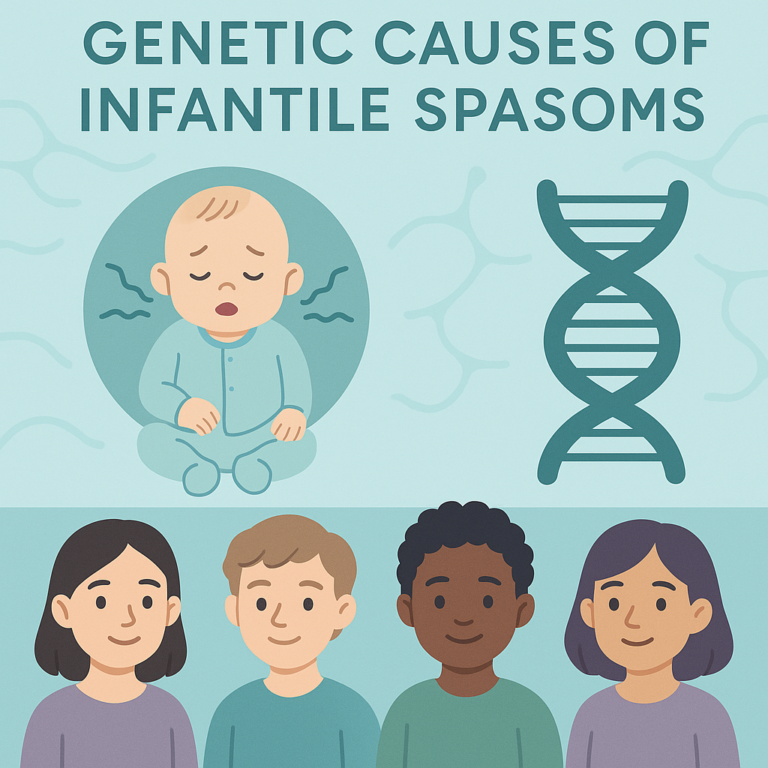
This study looked at the genetic causes of infantile spasms in children under two years old in Peru.
This study looked at a rare genetic disorder called neuronal ceroid lipofuscinosis type 2 (CLN2 disease) in children in France.

A recent study looked at how well the updated International League Against Epilepsy (ILAE) seizure classification works in secondary referral centers, which are specialized clinics for epilepsy care.

This study looked at how being exposed to antiseizure medications (ASMs) before birth affects children’s cognitive development from ages 2 to 6.